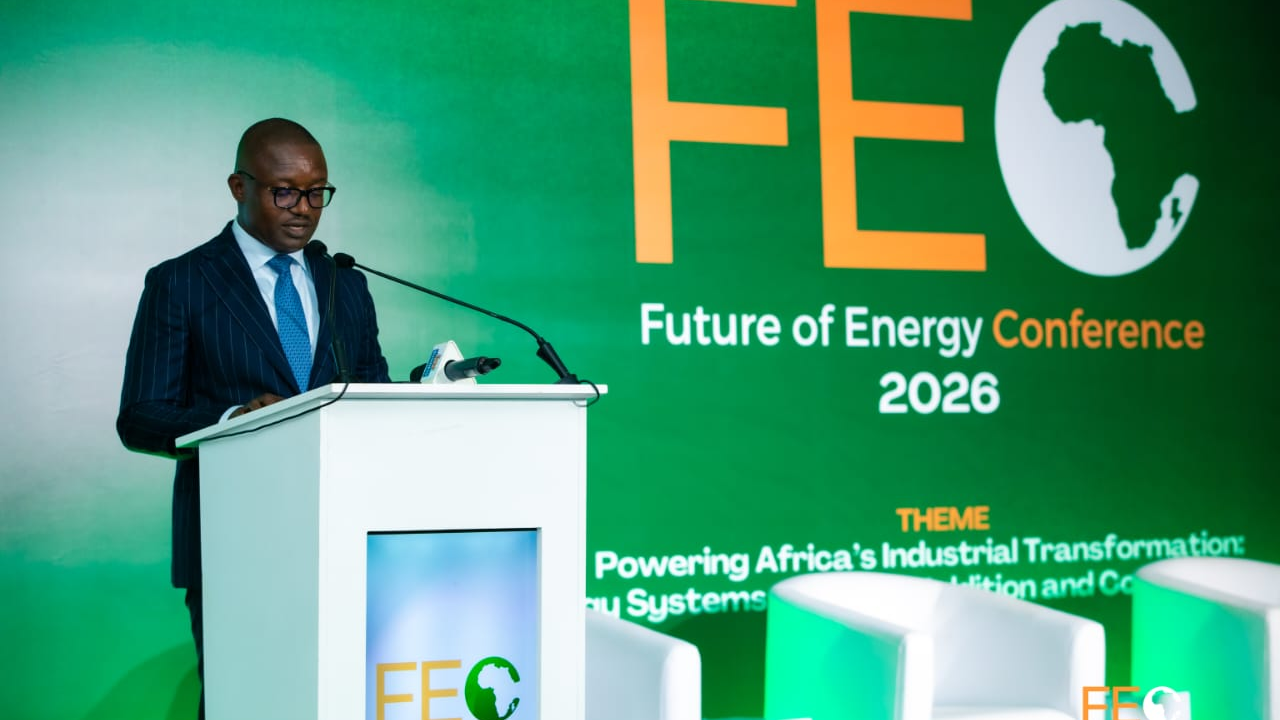
Ghana is taking steps to standardise and regulate electric vehicle (EV) charging infrastructure as the country prepares for rising electricity demand from growing EV adoption and industrial growth. The Minister for Energy and Green Transition, Dr John Abdulai Jinapor, has called for greater standardisation and regulation of EV charging infrastructure to prevent pressure on the national power grid.
Ghana Leads the African Market in EV Vehicles
Ghana is leading the African market in electric vehicles, with some private operators establishing charging stations using new technologies capable of charging vehicles within 10 to 15 minutes. However, these fast-charging systems can draw significant amounts of electricity from the grid, which could put pressure on local distribution networks and transformers.
Dr Jinapor warned that the concentration of high-demand charging facilities without adequate grid planning could create new challenges for the electricity distribution system. He said the government was working to ensure that the growth of electric mobility was matched by adequate investment in electricity generation, transmission, and distribution infrastructure.
Standardising Charging Infrastructure to Prevent Pressure on the Grid
The Energy Commission has directed individuals, companies, and institutions intending to install or operate EV charging stations and battery-swap systems to obtain prior approval from the Commission. This directive is intended to ensure that charging infrastructure complies with national safety, technical, and operational standards.
The Commission has also been developing regulations covering EV charging infrastructure and battery-swap systems, in collaboration with the Ghana Standards Authority. The proposed framework covers residential, workplace, public, and commercial charging infrastructure, as well as safety and consumer protection.
Industrialisation Requires Reliable and Competitive Electricity
Dr Jinapor stressed that Ghana's industrialisation ambitions would remain difficult to achieve without reliable and competitively priced electricity. He acknowledged that no economy has industrialised without cheap power and that industrialisation requires electricity at scale, with reliable, predictable tariffs, and good power quality.
The Executive Director of the Africa Centre for Energy Policy, Benjamin Boakye, noted that energy policy and industrial policy cannot be considered separately if Ghana is serious about adding value to its natural resources. He said processing and manufacturing require energy, modern agriculture increasingly depends on electricity, and digital infrastructure depends on reliable power.
Next Steps in Ghana's EV Transition
The government has encouraged investment in solar-powered EV charging systems as part of efforts to ensure that the transition to electric mobility is aligned with Ghana's clean-energy and climate objectives. The expansion of EVs is expected to add another layer to electricity-demand planning, making investment in generation capacity, transmission infrastructure, and distribution networks increasingly important.
The Energy Commission's Drive Electric Initiative, launched in 2019, is intended to promote electric mobility while supporting the development of the necessary charging infrastructure. The Commission has demonstrated the potential of renewable-powered charging infrastructure through a solar-powered DC fast-charging station at its headquarters in Accra, which uses 105 solar photovoltaic panels with a combined capacity of 61.43 kilowatts, supported by a 60-kilowatt-hour lithium-ion battery.
As Ghana continues to transition to electric mobility, it is crucial that the country prioritises the development of standardised and regulated charging infrastructure to prevent pressure on the national power grid. By doing so, Ghana can ensure a smooth and sustainable transition to electric vehicles, supporting the country's industrialisation ambitions and reducing its dependence on fossil fuels.
Source: Joy Online