Ghana has turned a corner in its trade balance, with exports outpacing imports for the first time in nearly two decades. According to a new report by the Ghana Statistical Service (GSS), exports accounted for 61.3 per cent of total trade in 2025, while imports made up 38.7 per cent.
Ghana's Trade Balance Shifts
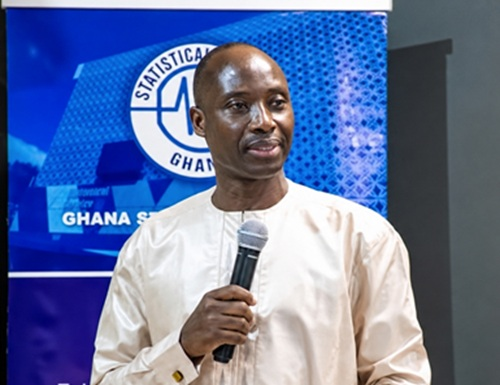
The report, Ghana's Merchandise Trade Statistics 2004/25: Two Decades in Review, shows a significant improvement in the country's trade balance. In 2023, Ghana returned to a trade surplus and has remained in positive territory since then. Dr Alhassan Iddrisu, Government Statistician, notes that the country sold more goods to the world than it purchased in only seven out of the 21 years under review.
Exports Drive Growth
Ghana's merchandise exports have seen significant growth, increasing from US$1.93 billion in 2004 to US$32 billion in 2025. This growth has been driven by an increase in gold exports, which accounted for 63.1 per cent of total exports in 2025. The report recommends greater investment in processing industries and support for non-traditional exports to sustain the growth of exports.
Sustaining the Gains
Dr Iddrisu cautions that sustaining the gains would require broader export diversification and increased value addition to local products. The report identifies gold as Ghana's leading export commodity, and recommends measures to improve the participation of small and medium enterprises in export markets. This would help to reduce the country's reliance on a single commodity and increase its competitiveness in international trade.
Boost to Foreign Exchange Earnings
The improvement in Ghana's trade balance has strengthened the country's position in international trade and helped increase foreign exchange earnings. Dr Iddrisu notes that the trade surplus has risen significantly over the past three years, from GHS 5.3 billion in 2023 to GHS 148.3 billion in 2025.
Next Steps
The Ghanaian government will need to take steps to sustain the growth of exports and improve the trade balance. This could involve investing in infrastructure, such as roads and ports, to improve the efficiency of trade. It could also involve providing support for small and medium enterprises to increase their participation in export markets. By taking these steps, Ghana can build on its recent successes and continue to grow its economy.
Source: Joy Online