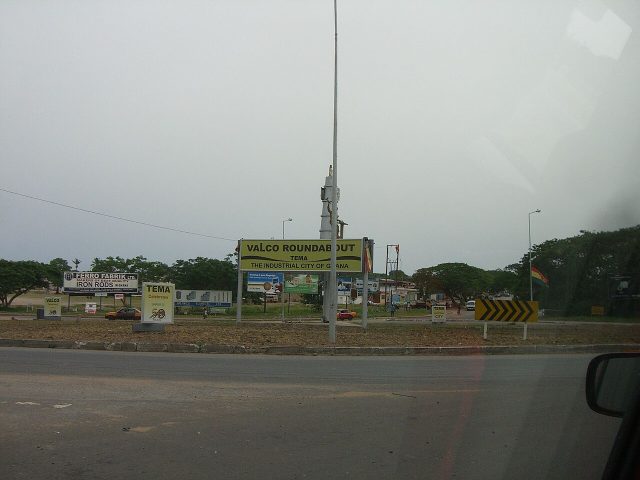
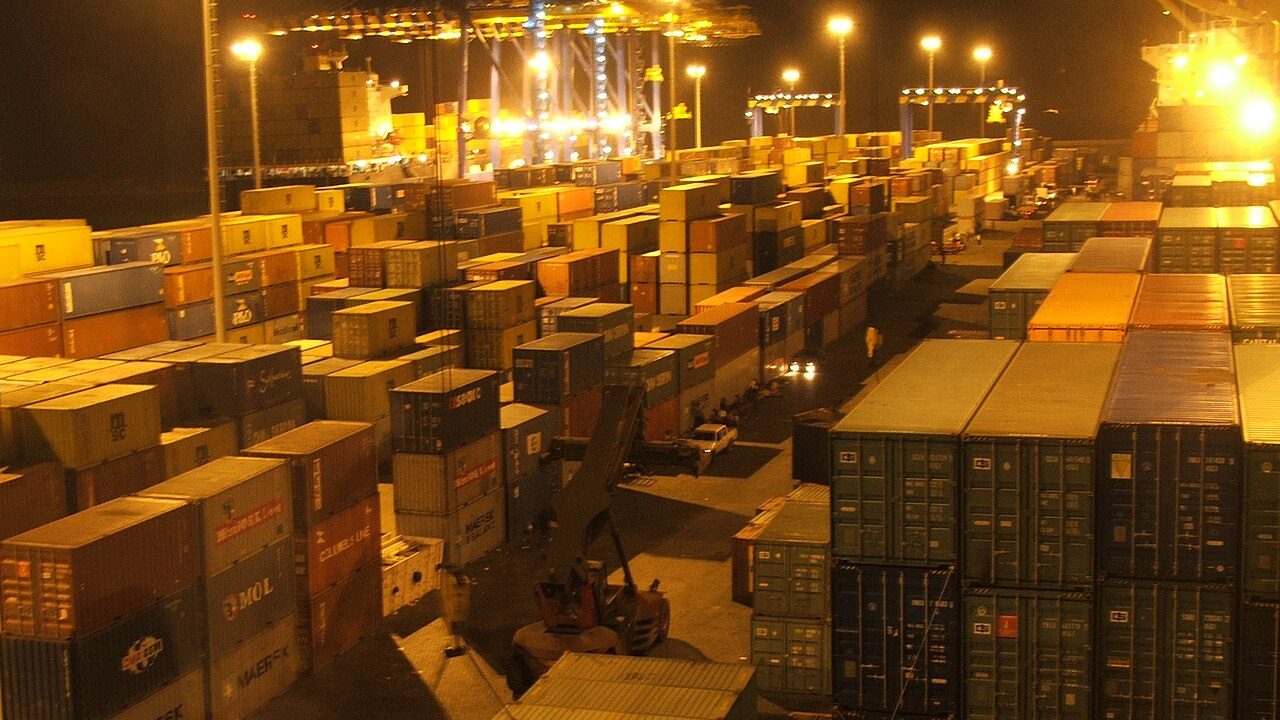
In the 1990s, Ghana wanted to attract factories that would make goods for export. Countries in Asia and elsewhere had used export processing zones to build manufacturing industries, offering investors tax breaks and fewer restrictions. In 1995, Ghana passed its own Free Zones Act. The law created the Ghana Free Zones Authority and a set of incentives for companies that export most of their output. Decades later, free zone companies produce goods from processed food to garments.
The law, incentives and enclaves
The Free Zones Act of 1995 established the legal framework for free zones in Ghana. The Ghana Free Zones Authority licenses and supervises free zone companies and promotes investment. Companies in free zones have received incentives such as tax holidays, exemptions from import duties on inputs and simplified procedures.
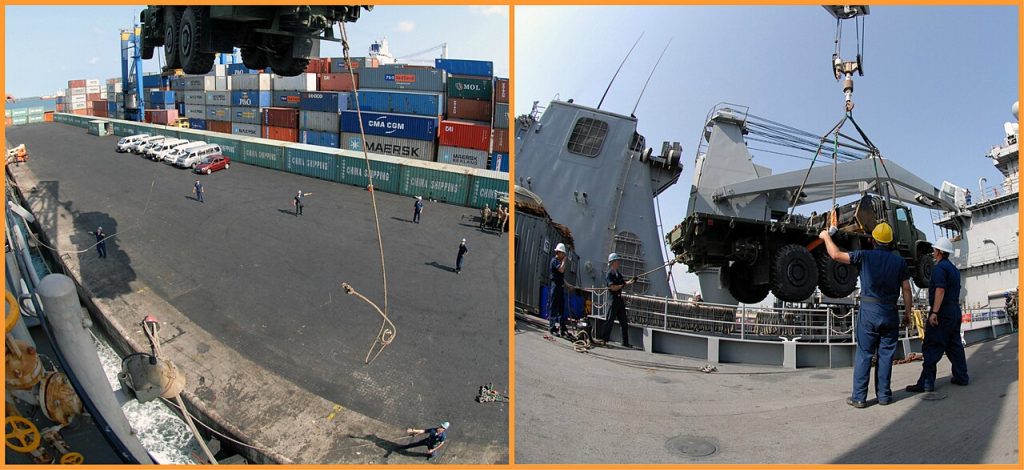
Free zone companies are generally required to export most of their production, with limits on sales in the local market. Free zone enclaves have been developed, including near Tema, along with single-factory free zones elsewhere in the country.
Industries, jobs and criticism
Free zone companies work in agro-processing, textiles, light manufacturing, services and other sectors. The zones have created jobs, though critics question how many and how well paid. Some economists argue that tax incentives cost the state revenue without enough benefit, and that some firms leave when the tax holidays end. The African Continental Free Trade Area, headquartered in Accra, has raised new questions about how free zones fit into regional trade.
Governments have reviewed the incentive regime as part of revenue reforms. Many free zone investors are foreign, though Ghanaian firms also take part.
The future, qualifying and shea and cashew
Free zones remain part of Ghana’s strategy to increase exports and industrialisation. Companies apply to the Free Zones Authority for licences and must show plans to export most of their output. The authority monitors compliance and can revoke licences. Investors also need approvals from other agencies, such as environmental permits, before they begin operations. Some free zone companies process local crops such as shea nuts and cashew for export, adding value before the products leave the country.
Ghana’s free zones were meant to turn the country into a factory for export. Whether the incentives pay off is a debate that returns with every budget.