
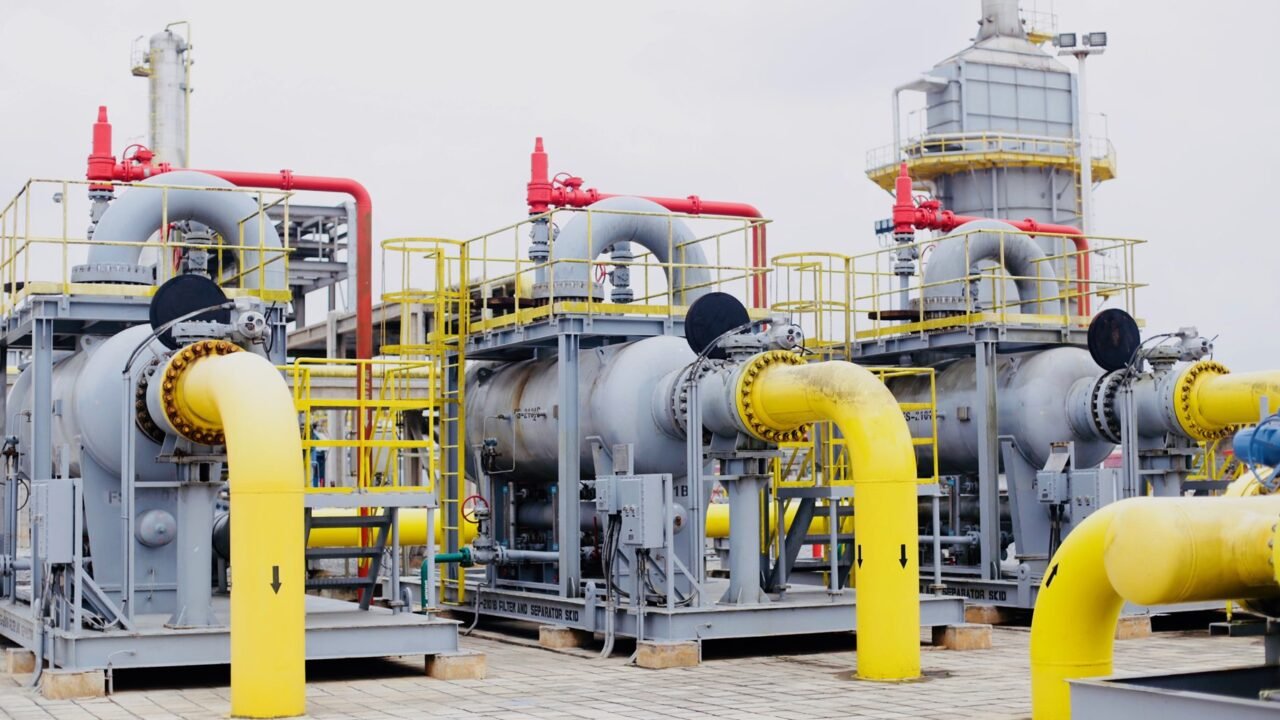
Ghana's fuel market remains vulnerable to global price fluctuations despite growing refining capacity. According to Benjamin Nsiah, Executive Director of the Centre for Environmental Management and Sustainable Energy (CEMSE), the country's current dependence on imports leaves it exposed to international market developments.
Local Refineries to Meet 60% of Demand
Benjamin Nsiah has stated that local refineries operating at full capacity could meet about 60% of current domestic petroleum demand, leaving the country dependent on imports for the remainder. Ghana currently consumes between 120,000 and 140,000 barrels of petroleum products daily. This means that even with the expansion of local refining capacity, the country will still require significant imports to meet its fuel requirements.
Impact of Global Price Fluctuations
Nsiah noted that the country's petroleum pricing regime remains exposed to international market developments because a significant proportion of refined petroleum products is still imported. Fluctuations in global oil prices and foreign exchange rates can therefore continue to affect domestic fuel prices despite efforts to expand local refining capacity. The deregulated pricing system means that pump prices are largely influenced by international refined petroleum product prices, the exchange rate of the Ghana cedi against the United States dollar, freight and insurance costs, and statutory taxes and levies.
Prospects for Increased Domestic Production
Recent developments in both state-owned and private refineries offer prospects for increased domestic production. The Tema Oil Refinery (TOR) has recently announced a profit after tax of GH¢1.24 billion amid reforms aimed at strengthening its operations and contribution to national energy security. Planned expansion projects by local refining companies could significantly increase domestic output and potentially enable Ghana to meet its entire fuel requirement.
Path to Petroleum Self-Sufficiency
Nsiah said achieving the capacity to meet the country's entire fuel requirement would put Ghana on a stronger path towards petroleum self-sufficiency. This would enable the country to export petroleum products within the West African sub-region. However, the long-term objective should be to build a resilient petroleum sector that ensures fuel availability while reducing the impact of external market disruptions on consumers and businesses.
Recommendations for a Stronger Domestic Refining Industry
Nsiah recommended that Ghana gradually recalibrate its petroleum pricing framework as domestic refining capacity expanded to reflect local refinery costs and operational realities. A stronger domestic refining industry would create an opportunity to reduce dependence on international pricing benchmarks that significantly influence fuel prices. This would enable the country to better manage the impact of external market fluctuations on domestic fuel prices.
The vulnerability of Ghana's fuel market to global price fluctuations highlights the need for continued investment in local refining infrastructure. While growing refining capacity will improve fuel security, it will not fully shield the country from international market shocks. Achieving petroleum self-sufficiency will require sustained efforts to expand domestic production and develop a more resilient petroleum sector.
Source: Joy Online