
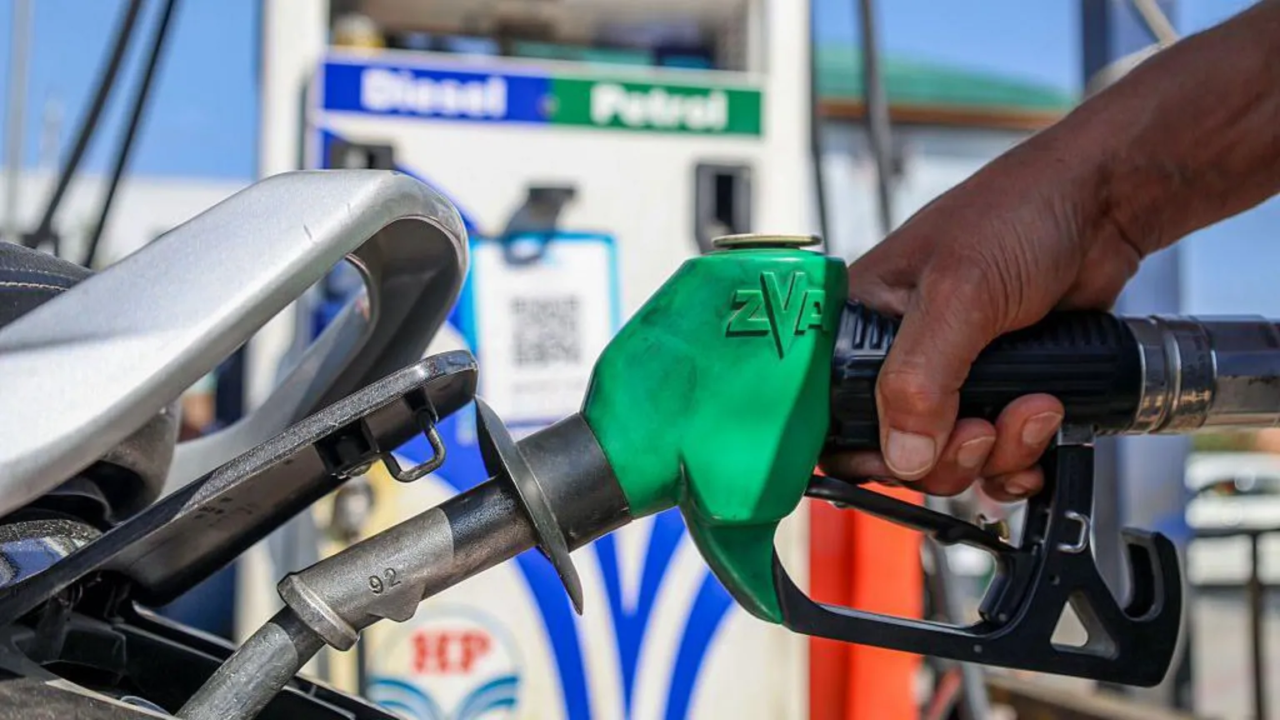
Fuel prices in Ghana are set to increase significantly from August 1, as global crude oil prices and the depreciation of the Ghana cedi push up ex-pump prices. Motorists and consumers are expected to pay more for petroleum products, with the Chamber of Oil Marketing Companies (COMAC) projecting a sharp rise in prices across all three major petroleum products.
Fuel Price Hike Looms
According to COMAC, petrol is expected to increase by 7.58%, with a litre expected to sell at about GH¢15.23. Diesel is expected to record the biggest jump during the pricing window, rising by 12.50% to approximately GH¢17.45 per litre. Liquefied Petroleum Gas (LPG) is also projected to increase by 4.13%, with a kilogram expected to sell at around GH¢16.40.
NPA Sets New Price Floors
Ahead of the new pricing window, the National Petroleum Authority (NPA) has announced revised price floors for petroleum products. The price floor for diesel has increased from GH¢14.35 to GH¢16.97 per litre. Petrol's price floor has also risen from GH¢13.28 to GH¢14.53 per litre. For LPG, the approved price floor is now GH¢11.06 per kilogram.
Rising Global Crude Oil Prices and Cedi Depreciation
The projected increases are being driven by a sharp rise in global crude oil prices and higher prices for refined petroleum products. The Chamber said average crude oil prices increased by 23.25%, while refined petroleum products also recorded substantial gains. Diesel posted the highest increase at 24.84%, followed by petrol at 12.58% and LPG at 12.24%.
Why Prices Are Rising
According to COMAC, the surge in crude oil prices is attributed to heightened geopolitical tensions, particularly developments surrounding the US-Iran conflict and uncertainty over the reopening of the Strait of Hormuz. The cedi's depreciation is also cited as another key factor behind the expected price increases. For the August 1 pricing window, the exchange rate moved from GH¢11.4970 to GH¢11.6593 per US dollar, representing a 1.41% depreciation.
What Happens Next
While the price increases may not be as steep for many consumers, as several Oil Marketing Companies (OMCs) have already raised prices in recent weeks, motorists and consumers are still likely to feel the pinch. The NPA's revised price floors will mean that companies cannot price their products below the approved minimum levels, despite intense competition among fuel retailers. The increase in fuel prices is likely to have a ripple effect on the economy, with higher transportation costs affecting various sectors.
Source: Joy Online