Ghana's Infrastructure Spending Falls Short, ISSER Warns of Underdevelopment Risks
The Institute of Statistical, Social and Economic Research (ISSER) has sounded a warning that Ghana's infrastructure spending is falling short of target, posing a risk to the country's long-term development goals. According to ISSER's review of the 2026 Mid-Year Budget Statement and Economic Policy, actual spending in the first half of 2026 was nearly 40 per cent below its programmed level.
ISSER Cautions Against Sacrificing Growth for Fiscal Consolidation
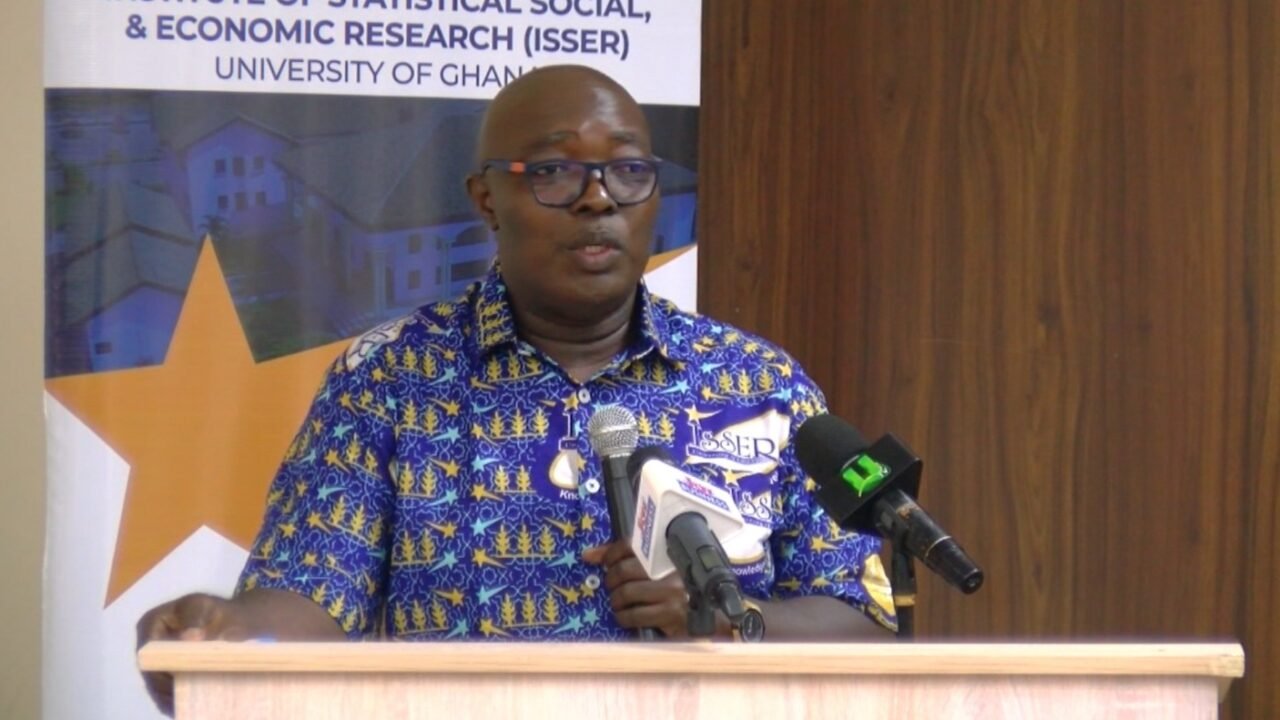
ISSER Director Professor Robert Darko Osei acknowledged that the economy is making significant progress in achieving macroeconomic stability. However, he warned that policymakers must avoid sacrificing growth-enhancing investments in pursuit of fiscal consolidation targets. "Capital expenditures are critical for growth, sustainability and the achievement of development targets," he said.
The government's fiscal strategy aimed to create fiscal space for increased capital expenditure. However, despite this objective, the actual spending in the first half of 2026 fell short of expectations. ISSER attributed the shortfall largely to tight expenditure controls and delays in implementing projects under the government's "Big Push" infrastructure programme.
Infrastructure Spending Weighs Heavily on Economic Growth
The slowdown in infrastructure spending was also reflected in the construction sector, which recorded growth of just 1.3 per cent in the first quarter of 2026. This was despite expectations that major public infrastructure works would stimulate activity. Professor Osei stressed that capital expenditure remained a crucial driver of infrastructure development, industrialisation, productivity growth and job creation.
Public investment plays a vital role in creating the conditions that attract private capital, promote economic diversification and strengthen productive sectors. However, the situation reflects a policy trade-off between economic stabilisation and growth, and called for a carefully balanced approach. "Public investment plays a vital role in creating the conditions that attract private capital, promote economic diversification and strengthen productive sectors," Professor Osei added.
ISSER Calls for Improved Efficiency in Public Investment Projects
ISSER therefore called on policymakers to ensure that fiscal consolidation efforts did not come at the expense of Ghana's long-term development and economic transformation agenda. The Institute urged government to improve the efficiency and sequencing of public investment projects to ensure that limited resources deliver the greatest developmental impact. "We must avoid sacrificing growth-enhancing investments in pursuit of fiscal consolidation targets," Professor Osei warned.
The warning comes as Ghana's economy continues to grapple with the challenges of balancing fiscal consolidation with the need for growth-enhancing investments. With the government's fiscal strategy aimed at creating fiscal space for increased capital expenditure, the shortfall in infrastructure spending poses a significant risk to the country's long-term development goals. As Ghana looks to transform its economy and expand its productive capacity, the importance of investing in infrastructure cannot be overstated.
Source: Joy Online