Dial 191 or 18555 in Ghana and the call goes to the police. The Ghana Police Service is the institution responsible for keeping order across the country, from traffic duty at busy Accra junctions to investigations of serious crime. Its history goes back to the colonial era, and its reputation remains a subject of public debate.
From colony to the IGP
British colonial authorities created armed forces and constabularies in the nineteenth century to protect trade and maintain control. The Gold Coast Constabulary was established in the late nineteenth century, and later reorganisations created a police force separate from the military. At independence in 1957, the force became the Ghana Police Service. Ghanaian officers took over leadership positions from British officers.
The Inspector-General of Police leads the service and is appointed by the President in consultation with the Council of State. IGPs often become prominent public figures.
Structure, units and reforms
The service is organised into regional and divisional commands, with specialised units for criminal investigations, motor traffic, and anti-armed robbery operations. The Criminal Investigations Department handles major crimes, including murder, fraud and cybercrime. The Motor Traffic and Transport Department manages road safety, enforces traffic laws and investigates accidents. The police face shortages of vehicles, equipment and staff, especially in rural areas. Surveys have often found low public trust, with complaints about bribery at checkpoints.
Successive leaderships have introduced reforms, including community policing, faster emergency responses and digital systems. Results have been mixed. The police play a key role in election security, deploying officers to polling stations and collation centres.
Reporting crime, women and the public
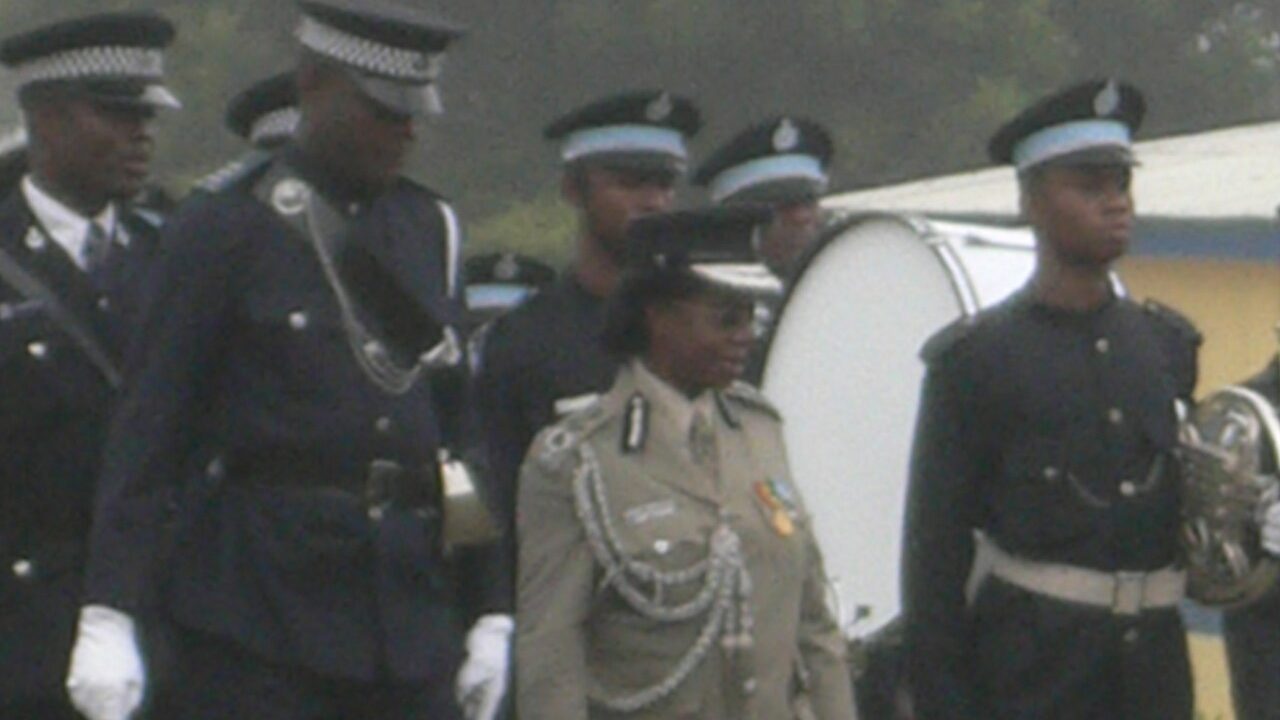
Citizens can report crime at police stations or through emergency numbers. Keep records of any report, including the officer’s name and the case number. The service’s national headquarters is in Accra, near the Ministries area. Women serve throughout the Ghana Police Service, and several have reached senior ranks. The service has units focused on domestic violence and child protection, known as DOVVSU.
Many police stations hold community meetings, and the service runs public education on crime prevention and road safety. The police are often the first face of the state that citizens meet. How officers behave at a roadside checkpoint shapes how many Ghanaians feel about government itself.