Ghana has passed a landmark bill to tackle sea crimes, including piracy and armed robbery at sea, with the implementation of the Maritime and Related Offences Bill, 2026. The bill, which has been passed by Parliament and is awaiting Presidential assent, seeks to provide a comprehensive legal regime for the prevention, investigation, prosecution, and punishment of such crimes.
Ghana Strengthens Laws to Combat Maritime Crime
The bill aims to align Ghana's laws with key provisions of the 1982 United Nations Convention on the Law of the Sea (UNCLOS) and the 1988 Convention for the Suppression of Unlawful Acts Against the Safety of Maritime Navigation and its related protocols. Ghana's maritime sector is a vital pillar of the country's economy, but it is increasingly exposed to sophisticated forms of maritime crime, including piracy, armed robbery at sea, trafficking, and other transnational organised crimes.
Stakeholders Engage in Sensitisation Workshop
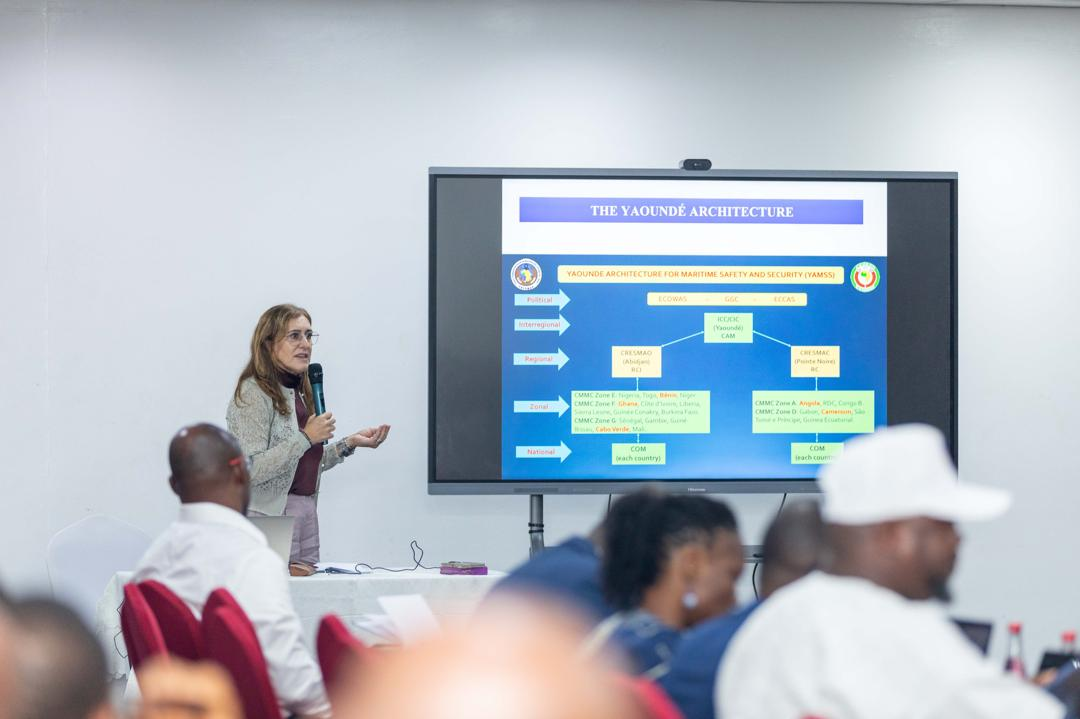
A two-day Stakeholder Sensitisation Workshop on the Maritime and Related Offences Bill, 2026, was held in Accra on Wednesday, August 5. The workshop brought together officials from the Ministry of Transport, Ghana Maritime Authority, Ghana Navy, Ghana Air Force, Marine Police, Attorney-General's Department, and other institutions within the criminal justice system. Mr William Kartey, Chief Director of the Ministry of Transport, delivered a welcome address on behalf of the Minister, saying the Ministry was taking steps to position Ghana as a maritime hub in the sub-region.
New Legislation to Strengthen Maritime Security
The Maritime and Related Offences Bill, 2026, represents a significant milestone in Ghana's efforts to strengthen its legal and institutional framework for combating maritime crime. Mr Mubarick Masawudu, Deputy Director-General of the Ghana Maritime Authority, said a robust legal framework was essential for effective investigations, successful prosecutions, and coordinated law enforcement. He noted that early engagement with stakeholders was necessary to ensure that the institutions responsible for its enforcement were adequately prepared.
International Support for Ghana's Maritime Security
The European Union, UNODC, and Ghana Maritime Authority are collaborating to build a common understanding of the legislation ahead of its implementation. Mr Jean-Pierre Bardoul, Programme Officer, Governance Section of the EU, said maritime law enforcement agencies in the Gulf of Guinea were being supported through the Safe Seas for Africa project, implemented with the assistance of the EU and UNODC. The project seeks to strengthen the capacity of maritime law enforcement agencies to prevent, investigate, and prosecute piracy and other maritime crimes, including drug trafficking.
Enhancing Maritime Security in Africa
The workshop examined measures to criminalise and deter maritime crime, deepen understanding of the international and regional legal frameworks underpinning the Bill, and considered the requirements for safe and secure shipping to support national economic development. Professor Martha Chantel Ribero, representing the UNODC, described the workshop as another milestone in the organisation's engagement with Ghana's criminal justice system. She said the UNODC was providing technical support for Ghana's legal reform efforts through the Safe Seas for Africa project.
What's Next
The stakeholder engagement is expected to enhance institutional understanding of the new legislation and strengthen coordination among agencies involved in Ghana's maritime security and criminal justice systems. With the bill awaiting Presidential assent, stakeholders are awaiting the implementation of the new legislation to combat maritime crime in Ghana.
Source: Joy Online