In May 2024, the Ghana Museums and Monuments Board publicly admitted that it lacked adequate funding to conserve artefacts and monuments or to run educational programmes. The revelation came despite Ghana reporting tourism receipts of about US$4.8 billion in 2024 and international arrivals reaching 1.31 million in 2025. These figures cover all tourism, not heritage alone, but the question lingers: how much of this revenue actually reaches the historic castles linked to the transatlantic slave trade?
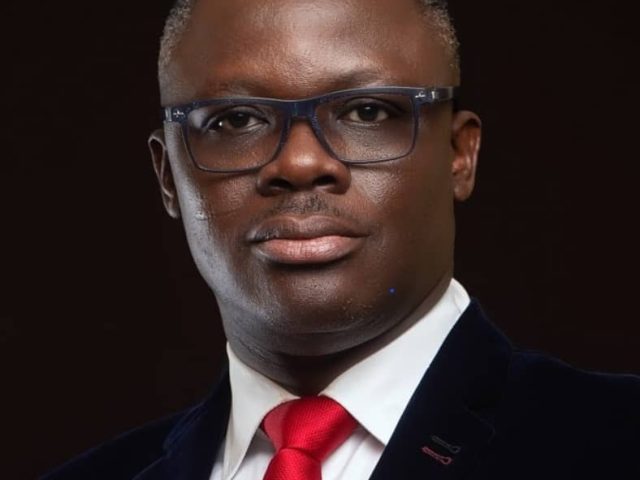
Ghana’s Cape Coast Castle, Elmina Castle, and a chain of coastal forts hold deep historical significance. They connect Africa, the Americas, Europe, and the Caribbean through one of history’s darkest chapters. These sites attract visitors but require exceptional maintenance beyond what ticket sales alone can cover. “A nation that celebrates tourism receipts while neglecting the monuments attracting visitors is quietly consuming its own future earnings,” wrote Ing. Prof. Douglas Boateng, a Chartered Director and Governance Strategist from the UK, in his analysis of African heritage tourism.
The issue is not unique to Ghana. South Africa’s Robben Island, which drew roughly 247,530 visitors in the 2023/24 financial year and reported a surplus of R32.1 million, still struggles with insufficient conservation funding, ferry capacity issues, and weather challenges. Even with global recognition and substantial visitor numbers, Robben Island’s management warned that operational revenue and conservation needs remain out of sync. This example illustrates the complexity of heritage tourism: attracting visitors is only half the task; the other is ensuring the revenue sustains the sites themselves.
The Ghana Museums and Monuments Board shares responsibility for national monuments with the Ghana Tourism Authority, which administers tourism development under the Tourism Act of 2011. This Act created a Tourism Development Fund, financed largely by a 1 percent levy on patrons of specified tourism enterprises. The Fund is intended for promotion, infrastructure, and capacity building. Yet, the existence of the fund does not guarantee adequate financing for heritage conservation. Questions remain about how much the Fund collects annually, how much it disburses, and what portion reaches conservation versus marketing or administration.
International assistance is limited. UNESCO’s World Heritage Fund has a global budget of roughly US$7.3 million for 2026 to 2027. Ghana’s UNESCO profile shows cumulative approved international assistance of about US$316,794 across 12 requests. While international recognition is welcome, the primary responsibility for preserving Ghana’s heritage lies domestically.
Boateng noted, “When money is collected in the name of tourism, wisdom asks how much reaches the historical assets that make tourism possible.” He proposes a vision of a heritage corridor linking Accra, Cape Coast, Elmina, and Kumasi with trained guides, thoughtful interpretation, and reliable transport. Such integration could create an economy where guides, hoteliers, craftsmen, and conservators all earn, ensuring monuments receive the funds needed to survive.
Comparisons with other countries illustrate what is possible. Rome has long turned ancient ruins into a lasting attraction. Britain has developed an ecosystem of heritage charities, membership schemes, and conservation expertise. In Africa, Egypt consistently competes with the world’s best in antiquity tourism. Morocco has invested in preserving its historic medinas, and Great Zimbabwe draws attention to sophisticated precolonial civilization.
The UN World Tourism Organization estimated that Africa received 73.9 million international arrivals and US$42.6 billion in international tourism receipts in recent years, underscoring the continent’s potential. Ghana’s tourism revenue and visitor numbers are part of this larger picture, but the disconnect between income and heritage maintenance suggests systemic issues remain unresolved.
The Ghana Museums and Monuments Board’s May 2024 admission invites scrutiny of how tourism revenue is managed. It also challenges Ghana to confront whether its historic sites will be preserved adequately for future generations or continue to deteriorate under the weight of insufficient funding.
According to Joy Online.