All 20 Ghanaian hook-and-line tuna vessels have stopped fishing, a blow to the country’s tuna industry that depends on this fleet for local fish supply. Rising fuel prices, soaring licensing fees, security costs, and a shortage of trained crew have pushed the small-scale operators out of business, leaving only the larger purse seine vessels active.
Richster Amarh Amarfio, Vice President of the National Fisheries Association of Ghana (NAFAG) and a member of the Tuna Association, told Joy Business in Tema that Ghana has permission from the International Commission for the Conservation of Atlantic Tunas (ICCAT) for 37 tuna vessels. Of these, 17 use purse seine nets and 20 use the hook-and-line method. Currently, none of the 20 hook-and-line vessels are operational.
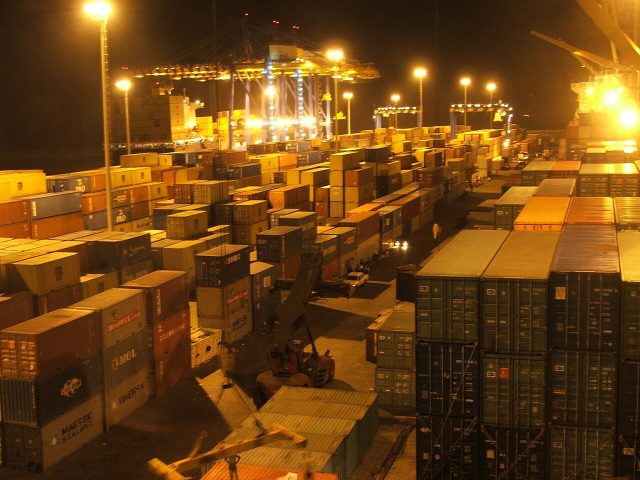
The halt in hook-and-line fishing affects not just the vessels but also local processors like Pioneer Food Cannery and Cosmo Foods, which rely on a steady supply of tuna landed by these boats.
Fuel costs are a major factor. Hook-and-line vessels must buy fuel at full market rates, unlike some other fishing operations that receive subsidies. Amarh Amarfio said fuel is currently around GH¢18 per litre. A single fishing trip can require as much as 270,000 litres, meaning fuel expenses alone run into millions of cedis.
Besides fuel, the vessels face high labour and maintenance costs. Ghana depends heavily on foreign expertise as there aren’t enough local tuna-fishing specialists or training facilities. All tuna vessel captains are Korean, many of whom are ageing. Amarh Amarfio said the industry urgently needs to develop local crews to replace them.
Licensing fees have also jumped sharply. Vessel owners now pay US$135 per gross registered tonnage (GRT), up from US$35 per GRT. For a 1,000 GRT vessel, this means licence fees have risen from US$35,000 to US$135,000.
Port charges are set in US dollars, adding further pressure when the cedi weakens. Security costs have increased too, after armed attacks and hijacking threats at sea. Vessels now carry armed naval personnel, with companies covering the expense.
The collapse of the hook-and-line fleet is also linked to difficulties in getting live anchovies, used as bait. The vessels must catch bait quickly and keep it alive in tanks before moving to tuna fishing grounds. Restrictions on using light as an aggregating devices have made this harder, forcing some operators to spend up to two weeks just searching for bait, followed by another two weeks fishing. Amarh Amarfio said this leaves little chance to break even.
Ghanaian fishing businesses have little control over international tuna prices. Although prices have risen from about US$3,000–US$4,000 per tonne in 2016 to roughly US$24,000 now, operating costs have increased even faster, squeezing profits.
Maintenance is another challenge. Tuna vessels face long waits for dry-dock services, sometimes up to two years at the Port of Abidjan in Côte d’Ivoire. The vessels are ageing, and rising maintenance costs add to the strain.
The combined impact of fuel, labour, licensing, security, port charges, bait shortages, and maintenance delays has pushed the hook-and-line operators out of the market.
The performance of Ghana’s tuna fleet is closely tied to the country’s processing industry. With the hook-and-line fleet inactive, processors who depend on local fish landings face shortages. The collapse of these 20 vessels has put that link into sharp focus.
According to Joy Online.