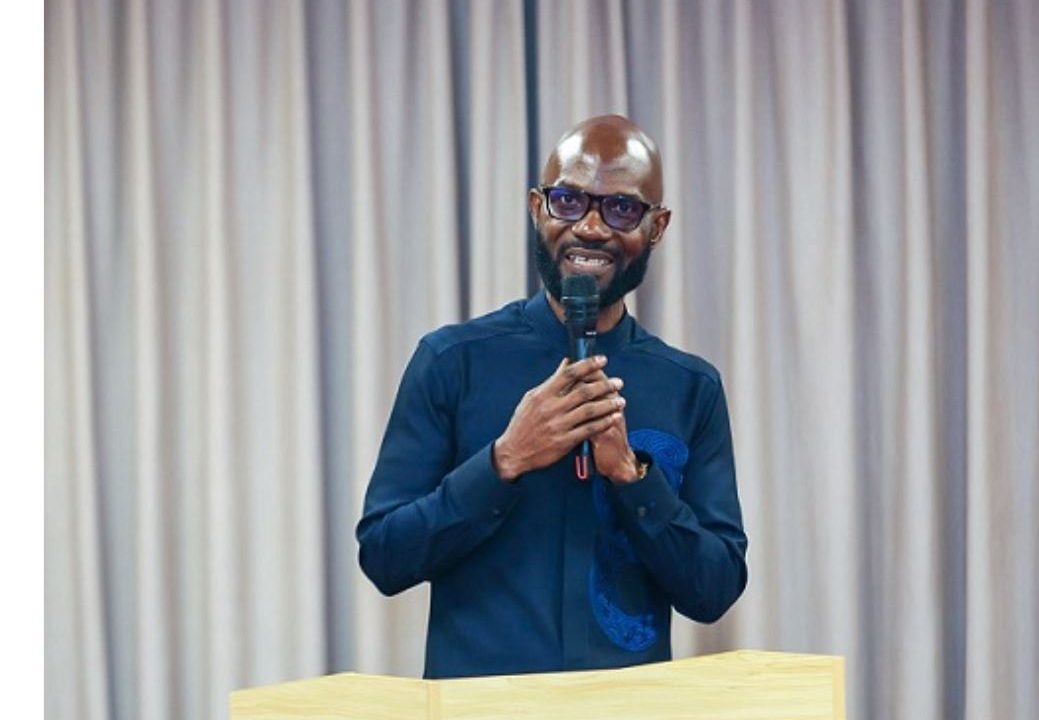
The Ghana Tourism Federation (GHATOF) has urged the Ghana Tourism Authority (GTA) to strengthen its partnership with private-sector tourism groups to build a more coordinated and competitive industry. Seth Ocran, GHATOF’s president, said this collaboration is essential for sustainable growth.
In his message for World Tourism Day 2026, Mr Ocran called for ongoing dialogue and consultation between the regulator and businesses on the ground. “Effective regulation is important, but so are continuous dialogue, consultation and partnership with those operating businesses on the ground,” he said.
He encouraged the GTA to deepen its relationship with private-sector tourism trade associations. Mr Ocran believes that working together will produce better results than acting in isolation. “As we look towards a stronger and more competitive tourism economy, let us move beyond working as individuals and organisations in isolation. Let us ask a bigger question: What can we do together that none of us can achieve alone?” he said.
The GHATOF president pointed to collaboration as a way to develop industry personnel, promote Ghana more effectively, embrace technology, and strengthen the sector overall. However, he cautioned that technology alone will not transform tourism. “But technology alone will not build the tourism industry we want. People, partnerships and shared purpose will,” Mr Ocran added.
This message came as Ghana joined the global community to observe World Tourism Day 2026, themed “Digital Agenda and Artificial Intelligence to Redesign Tourism.” The theme reflects growing interest in how technology can reshape the travel and hospitality sectors worldwide.
Tourism in Ghana has been growing steadily, drawing visitors to landmarks such as Cape Coast Castle, Kakum National Park, and Labadi Beach. But challenges remain. Fragmented efforts between regulators and private operators have sometimes slowed progress or caused overlapping rules. GHATOF’s call for stronger collaboration aims to address these issues by encouraging more frequent communication and joint initiatives.
Mr Ocran’s call is part of a broader push for a more unified approach to tourism development. GHATOF represents various private associations involved in travel, hotels, tour operators, and cultural sites. Its members have firsthand knowledge of the challenges facing tourism businesses, from marketing to workforce training.
The Ghana Tourism Authority is responsible for regulating and promoting tourism. GHATOF’s appeal suggests that regulatory efforts alone are not enough. Private-sector input can help shape policies that are practical and responsive to market needs.
Technology’s role in tourism continues to grow. Digital platforms, artificial intelligence, and mobile apps are changing how travellers plan trips, book accommodations, and experience destinations. Ghana’s tourism industry has opportunities to adopt these tools, but as Mr Ocran noted, people and partnerships remain the foundation.
The timing of the message on World Tourism Day signals a moment for reflection and renewed cooperation. With tourism contributing significantly to Ghana’s economy and employment, building a coordinated effort between the GTA and private associations could improve the sector’s competitiveness internationally.
Mr Ocran’s challenge to ask what the sector can achieve “together that none of us can achieve alone” suggests a path forward that relies on shared goals rather than fragmented efforts. How GTA and private groups respond could shape tourism’s future in Ghana beyond 2026.
According to Joy Online.