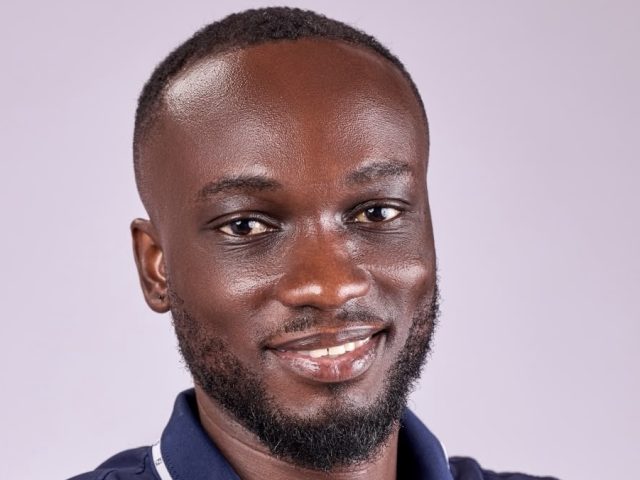
The Vice-President of the Ghana Journalists Association (GJA), Rebecca Ekpe, told journalists to take ownership of Ghana’s constitutional reform process rather than leaving it to a few voices. Speaking at a media engagement in Accra last Thursday organised by the Citizens Platform for the constitutional reforms, Ekpe said the media must scrutinise public power and ensure all voices are heard.
Ekpe insisted that the revised Constitution should reflect the views of every Ghanaian. “We must scrutinise the exercise of public power and ensure that every voice is heard,” she said. She described the media as an integral part of the reform conversation, warning that the process would face implementation challenges without broad media involvement.
The Citizens Platform consists of over 100 Civil Society Organisations (CSOs) working to engage the public on constitutional changes. The media session aimed to equip journalists with knowledge of various position papers from CSOs, the Institute of Economic Affairs, labour unions, and the New Patriotic Party (NPP).
Adem Abebe, Senior Advisor at International IDEA, spoke at the event, stressing the media’s influence in shaping public opinion. “Indeed, the media is a powerful avenue in shaping opinions. In that regard, let’s ensure that every voice is heard,” he said. Abebe also emphasised the need to protect the media’s role throughout the reform process.
The training sought feedback from media practitioners on how to synchronise the disparate position papers and assess their potential impact on existing laws. Ekpe called for inclusiveness, independence, integrity, and excellence from journalists throughout the constitutional reform debate.
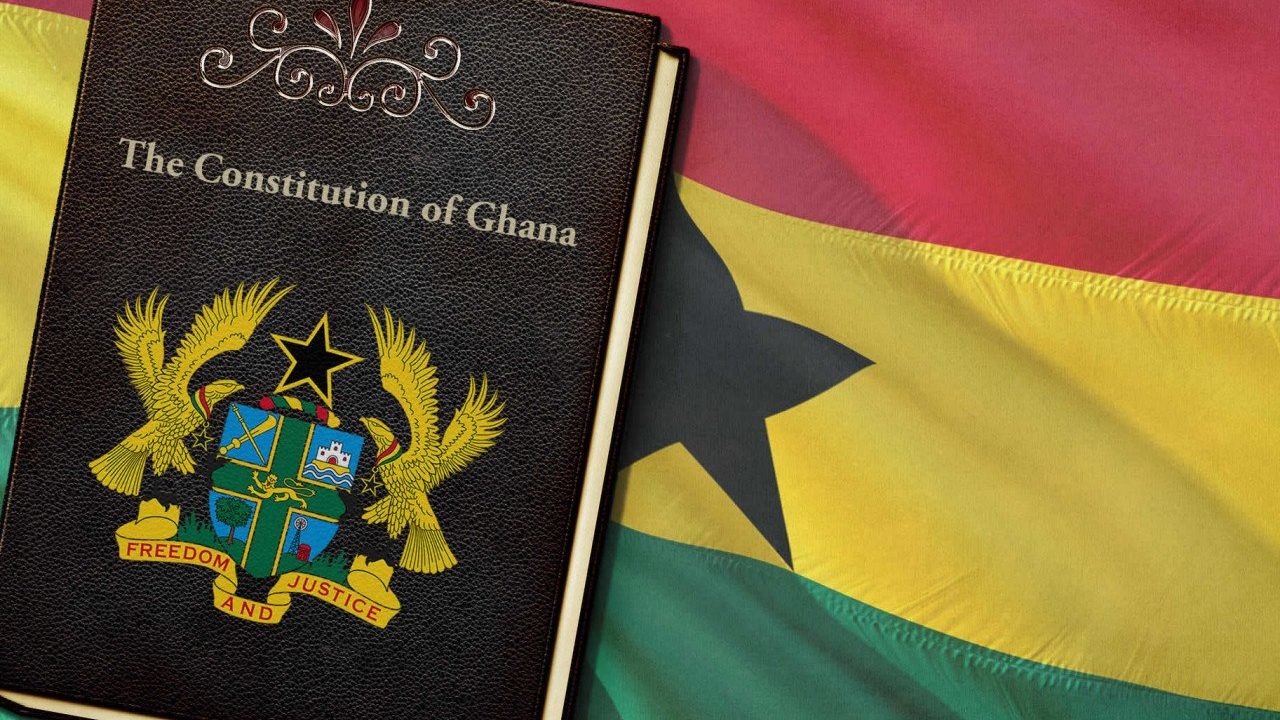
The Citizens Platform’s approach comes amid ongoing discussions around Ghana’s constitutional framework, with various stakeholders offering competing views on amendments. The involvement of over 100 CSOs indicates a broad civil society interest in the process, with the media positioned as a conduit for public engagement and accountability.
The session in Accra last Thursday underscored the expectation that journalists maintain vigilance over the reform process and report on its progress with independence. Ekpe’s remarks pointed to the risk that excluding media voices could weaken the legitimacy and implementation of the new constitutional provisions.
The presence of International IDEA’s Senior Advisor added an international dimension to the event, reflecting broader concerns about democratic processes in Ghana. Abebe’s call to protect the media’s function signals awareness of potential pressures that could arise as constitutional debates intensify.
The constitutional reform process in Ghana remains fluid, with multiple actors advocating for various changes. The media’s role in representing diverse views and holding power to account will be tested as the debate moves towards implementation.
Journalists attending the training were expected to dissect the position papers critically and consider how they might influence legislation already in place. This engagement suggests a more interactive media environment than previous constitutional discussions.
Rebecca Ekpe’s appeal to her colleagues aimed to elevate journalistic responsibility beyond reporting, urging them to engage actively in shaping the constitutional discourse. The outcome of this media involvement will be observed as Ghana’s constitutional reforms advance.
According to Joy Online.