Oil prices plummeted to a three-week low on Tuesday as senior US officials raised hopes of a deal with Iran to reopen the key Strait of Hormuz waterway. US Secretary of State Marco Rubio and Treasury Secretary Scott Bessent announced that talks had progressed, potentially allowing shipments to resume as soon as this week.
Oil Prices Tumble on Hopes of Strait Deal
The cost of a barrel of Brent crude, the global benchmark for oil prices, fell by almost 5% to under $80 (£60) on the news of supply disruptions potentially being eased. US West Texas Intermediate prices also fell more than 5% to $76 a barrel, dropping to their lowest levels since 13 July.
US Secretary of State Marco Rubio said there had been progress made in discussions on getting more ships through the strait with Iran and Oman. "There's been progress made in those talks, but not finality yet. We're hoping that will happen very shortly," he told reporters at the State Department.
Reopening the Strait Could Ease Oil Disruptions
Treasury Secretary Scott Bessent stated that a deal to reopen the Strait of Hormuz could be agreed as soon as Tuesday or Wednesday. "There's a chance we may have a deal today or tomorrow to open the strait and move towards a more normalised position in this conflict," he told CNBC. He added, "It would be freedom of movement," when asked whether Iran would be allowed to charge for ships passing through.
Iran has said it is not negotiating with the US – and has no plans to do so – and is instead talking to Oman. A spokesman for Iran's foreign ministry said that talks with Oman, a mediator in the negotiations, on a new mechanism for vessels transiting the Strait had been positive.
Oil Companies Reap Profits Amid Disruptions
The elevated oil prices have led to major oil companies, such as BP, Shell, Chevron, and Exxon Mobil, to report bumper profits. However, Danni Hewson, head of financial analysis at AJ Bell, noted that despite the huge revenues, oil companies were "at the mercy" of US President Donald Trump's "machinations."
Global Markets React to Oil Price Drop
US stock markets were trading higher on Tuesday following news of the negotiations lowering oil prices and also in response to corporate results related to Artificial Intelligence. Investors have experienced jitters on Wall Street as results from Big Tech firms indicate spending on the technology is set to continue to soar.
As the conflict continues to drag on, the US has used nearly all of its global stockpile of long-range precision missiles, two sources with direct knowledge of the matter told the BBC's US news partner CBS News. The Strait of Hormuz has been a central point in negotiations between the US and Iran, with the waterway handling about one-fifth of global daily oil and liquefied natural gas supplies before the conflict began in late February.
The disruption has sent prices at the pumps up across the world. In the UK, petrol prices are now at levels seen at the start of the conflict, with the average cost of a litre of petrol hitting £1.60, according to the RAC motoring group. In the US, gasoline prices are on average above $4 a gallon, according to the AAA. Diesel is almost $5.40 a gallon.
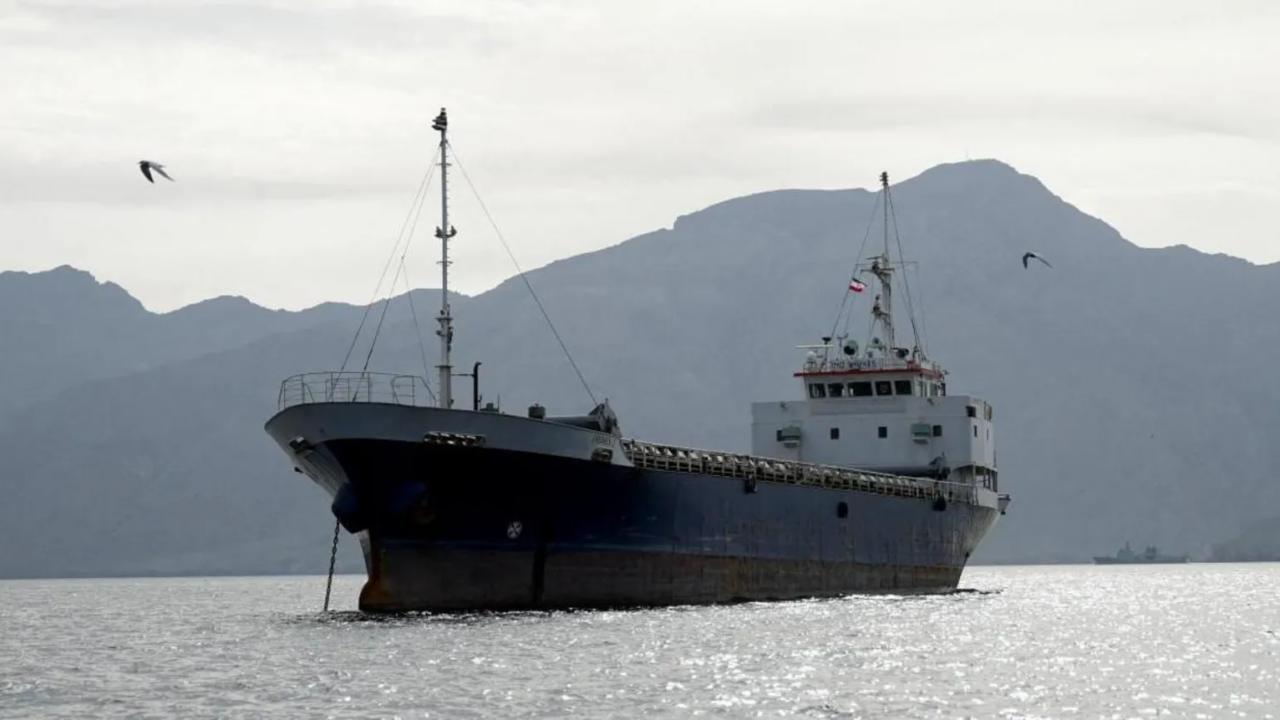
The Strait of Hormuz has been a crucial route for oil shipments since Iran blocked the waterway, but it has become increasingly dangerous, with a spate of attacks on vessels reported in the past week. On Tuesday, a projectile sank an Indian-flagged vessel near Yemeni waters, the India's shipping minister said, with all 14 on board rescued.
Analysts believe the threat to ships carrying oil in the Middle East is at its worst since the Iran war started. "Investors are acutely aware of how many times we've already been at this point in the war and how fragile the process of securing lasting agreements can be," said Danni Hewson, head of financial analysis at AJ Bell.
As the negotiations continue, the world waits with bated breath for a breakthrough that could ease the oil disruptions and bring a measure of stability to the region. The fate of the Strait of Hormuz hangs in the balance, with the potential consequences of a deal or no deal looming large over the global economy.
Source: Joy Online