In 2011, a group of Accra artists shut a few streets in Jamestown for one day, painted the walls and invited anyone who wanted to come.
They called it Chale Wote, Ga slang for the flip-flops everyone in Accra wears. The idea was that you did not need special shoes, a ticket or an invitation to enjoy art. More than a decade later, the Chale Wote Street Art Festival is described as the largest street art and performance festival in West Africa, with crowds estimated at around 50,000.
Why Jamestown
Jamestown is the oldest part of Accra. It is a fishing community built around the British-era James Fort, with the Dutch-built Ussher Fort a short walk away and the red-and-white Jamestown lighthouse above the harbour. The area carries centuries of history, including the slave trade and colonial rule, and it was, in 2011, a district many Accra residents only passed through.
The collective behind the festival, ACCRA [dot] ALT, wanted to use art to give the old colonial buildings and streets a new meaning, and to bring people back into the neighbourhood. The fishing families, boxers and traders of Jamestown were not the backdrop; they were the audience and often the participants.
What happens on the day
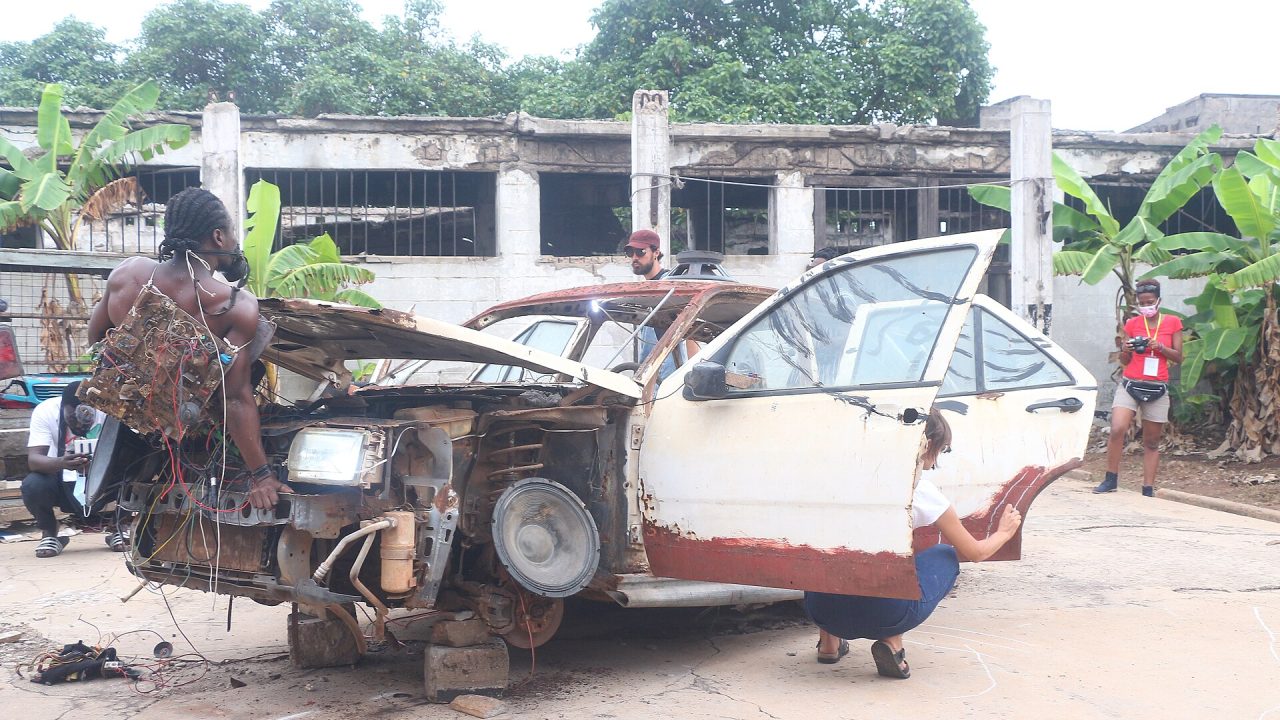
Chale Wote has always been hard to describe in a list because so much of it happens at once. Painters cover walls with murals that stay up for years. Graffiti artists work on the street in front of crowds. Photographers hang work on lines between buildings. Performance artists walk through the lanes in costume, some of it made from recycled material. There are film screenings, spoken word, music, a theatre programme called Na Wo Se Sen, and street sports.
The festival has also been a launch pad. Many young Ghanaian painters, photographers and performers have shown work there before being picked up by galleries in Accra and abroad, and artists from across Africa and the diaspora now plan trips to be in Jamestown for it.
The walls that stay
The murals are the most lasting part. Visitors to Jamestown on an ordinary weekday can still walk past large painted walls left by earlier editions, some of them faded by salt air, some painted over by later artists. Tour guides now include them on walking routes that also take in the forts, the lighthouse and the fishing harbour.
The tension that comes with success
Growth has brought questions. Residents and critics have asked how much the festival’s popularity actually benefits the people of Jamestown, who deal with the crowds, the noise and the rubbish, and whether rising interest in the area will push up rents. Organisers have answered by keeping the festival free and street-based, which is the same principle that gave it its name.
The crowd still walks in flip-flops. On the busiest afternoon of the festival, the easiest way to spot a first-time visitor is to look for the person in new trainers, stepping carefully around wet paint.