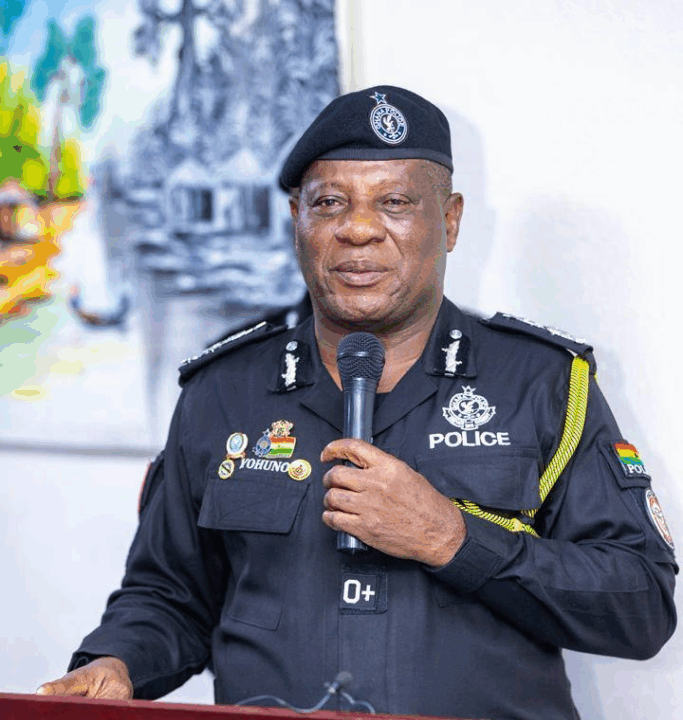
Inspector-General Christian Tetteh Yohuno has called on Christian and Muslim leaders to use their moral authority to calm growing religious tensions in Ghana. Speaking at a meeting with the Police Management Board and religious leaders on August 14, the IGP warned that provocative speech, vigilante retaliation, and violence could undermine Ghana's reputation for peaceful coexistence.
Tensions Run High in Ghana
Ghana is facing a moment of profound tension, according to the IGP, with religious friction intensifying across both traditional and digital media platforms. The IGP said recent incidents, including provocative comments about the Holy Prophet Muhammad, calls for extrajudicial violence, and the assault of a handcuffed Christian cleric, had tested the country's commitment to tolerance and the rule of law.
The IGP emphasized that policing alone could not resolve the deeper social and religious tensions generated by the incidents. "Police action alone cannot heal a fractured spirit," he said. "Law enforcement can restrain hands, but only faith, leadership, and conscience can heal hearts." He urged citizens who believe that an offense has been committed to report it to the appropriate authorities rather than seeking personal revenge.
IGP's Message to Muslim and Christian Leaders
Addressing the Muslim community, the IGP acknowledged the deep reverence Muslims have for the Holy Prophet Muhammad. He said the anger caused by insults against the Prophet was understandable to people of sincere faith. However, he appealed to Muslims not to allow anger or provocation to lead to violence.
The IGP drew on Islamic teachings, referring to Qur'anic teachings concerning engaging others "in the way that is best" and to Surah Al-Furqan 25:63, which describes the servants of the Most Merciful as those who respond to harsh words with peace. He also invoked the example of the Prophet Muhammad, particularly his patience and forgiveness in the face of persecution and personal insults.
Leaders Must Demonstrate Unity
The IGP urged Christian and Islamic leaders to publicly demonstrate unity rather than merely speaking about tolerance. He called for leaders of both faiths to appear together, issue joint statements, and engage communities collectively to reassure citizens that religious differences did not constitute a threat to national cohesion.
The IGP emphasized that religious leaders possess considerable influence over their congregations and the wider public. He noted that worshippers listen to sermons, follow religious leaders on social media, and often take cues from their conduct. At this fragile moment, he said, "your words can either act as water upon an emerging fire or as petrol upon dying embers."
Next Steps for Ghana
The IGP's appeal comes as the Ghana Police Service continues to investigate the incidents. Several suspects have been taken into custody, including an Islamic cleric alleged to have called for extrajudicial killings, a Christian cleric accused of making allegedly blasphemous statements, and the individual captured on video allegedly slapping a handcuffed pastor. All three are currently on bail while investigations continue.
The IGP's message is clear: Ghana must not allow provocative speech, vigilante retaliation, and violence to undermine its reputation for peaceful coexistence. The country's leaders, particularly religious leaders, must work together to promote unity and calm the growing tensions. Only through collective action can Ghana maintain its commitment to tolerance and the rule of law.
Source: Joy Online