The International Monetary Fund (IMF) has criticized Ghana's Domestic Gold Purchase Programme (DGPP) over significant losses it has generated for the Bank of Ghana (BoG). The losses, amounting to approximately GH¢22 billion, or around $1.7 billion, in 2025, have contributed to pressure on the BoG's balance sheet.
IMF Warns of Governance and Transparency Issues
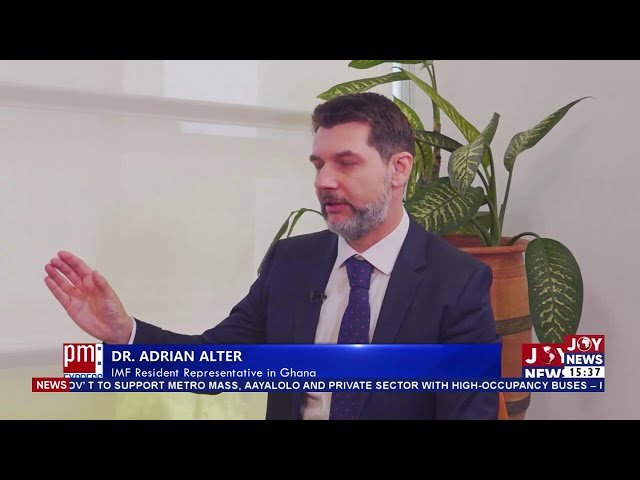
The IMF Resident Representative in Ghana, Dr Adrian Alter, made the call for stronger governance and transparency in the DGPP during a recent interview with Channel One TV. He noted that the programme had generated significant losses for the central bank, contributing to a deterioration in its financial position. The BoG's equity stood at about 7% at the end of 2025, with the Domestic Debt Exchange Programme (DDEP) and the DGPP among the factors behind the deterioration.
Dr Alter acknowledged the important contribution of gold to Ghana's recent economic recovery, citing stronger gold export earnings that had helped support the cedi, improve foreign exchange inflows, and enable the country to rebuild its international reserves. However, he cautioned that the benefits of gold-related activities should not obscure the costs and risks associated with the programme.
Quasi-Fiscal Activities and Central Bank Independence
Dr Alter also raised concerns about the involvement of the central bank in quasi-fiscal activities, warning that such operations could weaken its balance sheet and potentially undermine its ability to maintain price stability. He emphasized the importance of preserving the independence of the BoG and avoiding fiscal dominance, arguing that the central bank should not be used as a source of financing for government entities. Dr Alter noted that the gold purchasing and selling functions previously undertaken through the BoG had since been transferred to the Ghana Gold Board (GoldBod), effectively separating the activities from the central bank's core mandate.
IMF Recommendations and Next Steps
The IMF representative's comments come as an IMF assessment indicated that the DGPP was associated with significant losses in 2025. Dr Alter's warnings about the need for greater scrutiny of how such programmes are designed and implemented, as well as the importance of governance, transparency, reporting, and careful cost management, are likely to be closely watched by policymakers and stakeholders in Ghana. The BoG and the government will need to carefully consider the IMF's recommendations and take steps to address the issues raised by Dr Alter's comments.
Source: Joy Online