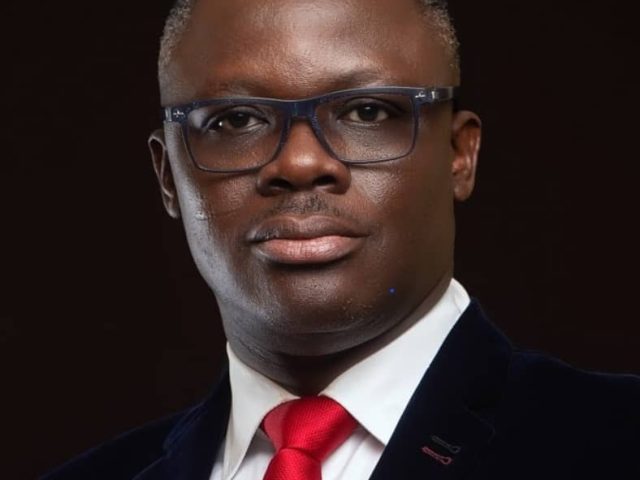
Joe Jackson, a Ghanaian economist, welcomed the International Monetary Fund's (IMF) upgrade of Ghana's economy, calling it a recognition of the country's progress. The upgrade was announced on August 10, 2026.
IMF Upgrade a Sign of Progress, Not a Debt Solution
The IMF's upgrade should be viewed as a testament to Ghana's economic progress rather than a signal that the country's debt challenges have been resolved, according to Joe Jackson. Speaking on Business Focus on August 10, 2026, Jackson emphasized that the upgrade is a positive development but stressed the need for fiscal discipline to sustain economic growth.
Ghana has been working closely with the IMF to address its debt challenges, and the upgrade is a reflection of the country's efforts to implement economic reforms. However, experts caution that the upgrade does not mean that Ghana's debt challenges have been fully addressed. In fact, the country still faces significant debt repayment obligations.
Ghana's Economic Reforms Take Center Stage
The IMF upgrade is a significant development for Ghana, as it underscores the country's commitment to economic reform. Ghana's government has implemented various economic reforms aimed at stabilizing the economy and reducing debt. These reforms include measures to improve revenue collection, reduce government spending, and implement structural reforms to boost economic growth.
While the IMF upgrade is a positive development, it also highlights the need for Ghana to maintain fiscal discipline. The country's economy is still vulnerable to external shocks, and any relaxation in fiscal discipline could lead to a deterioration in the economic outlook.
The Road Ahead for Ghana's Economy
The IMF upgrade is a welcome development for Ghana's economy, but it is essential to maintain fiscal discipline to sustain economic growth. The country's government must continue to implement economic reforms and maintain a stable fiscal policy to ensure that the economy continues to grow. The upgrade is a positive signal, but it is crucial to remain vigilant and address the underlying debt challenges that still plague the economy.
The government must also prioritize revenue collection and reduce government spending to reduce the fiscal deficit. This will require a concerted effort from all stakeholders, including government officials, policymakers, and the private sector. By working together, Ghana can build on the progress made so far and achieve sustainable economic growth.
Source: 3News