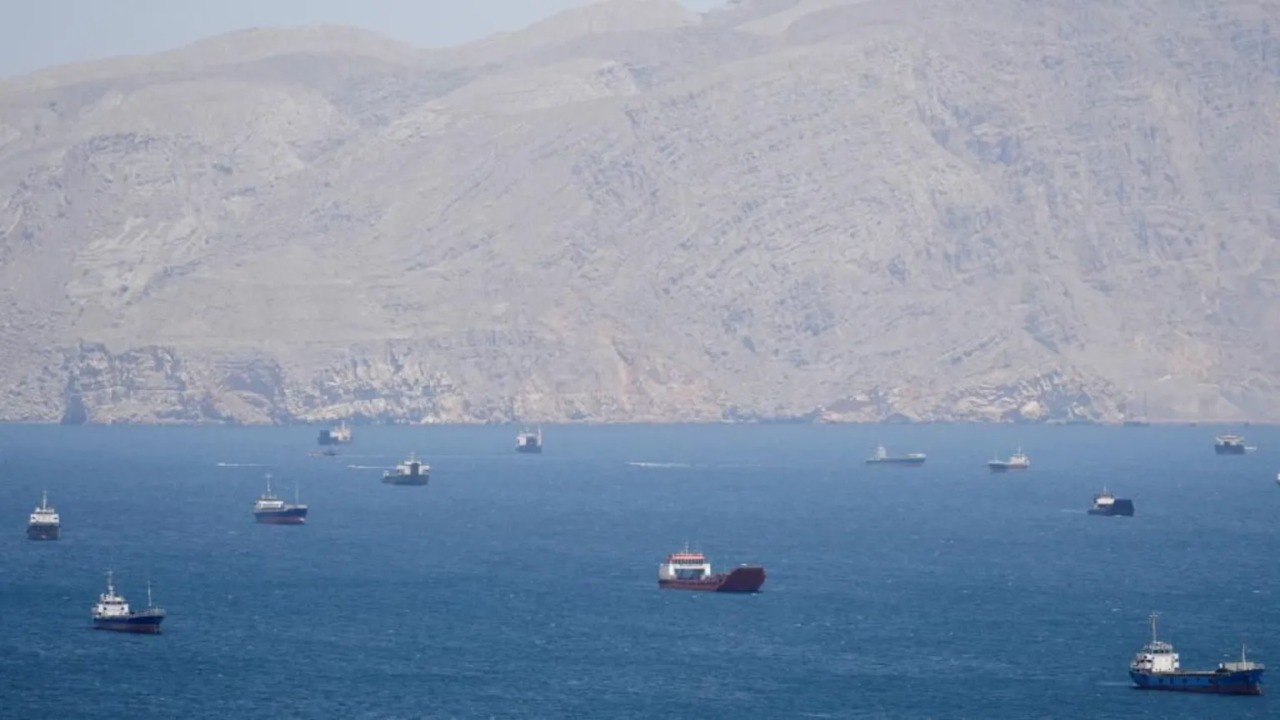
Iran has reached an agreement with Oman on a shipping route through the Strait of Hormuz, according to Iran's Foreign Ministry spokesman Esmaeil Baqaei. The agreement, which Baqaei said is "in the final stages", would allow vessels to pass through the strait, which has been blocked since the US and Israel attacked Iran in late February.
Strait of Hormuz Deal Sparks Hopes for Oil Prices Stabilization
Iran's Foreign Ministry spokesman Esmaeil Baqaei said the "geographical coordinates of the route" had been agreed with Oman. The factors making the Strait of Hormuz insecure still exist on the part of the United States, particularly the naval blockade and other aggressive and threatening actions against Iran and its interests, Baqaei added. The US has maintained a naval blockade of Iranian ports in the region.
Iran's Deputy Foreign Minister Kazem Gharibabadi later told Iran's official Irna news agency that the new route would be temporary and could stay open from two to four months. However, Baqaei warned that a deal with Oman would not, on its own, guarantee safe navigation through the strait. The US and Israel's blockade of the strait has had a significant impact on global oil prices, which have fluctuated wildly since the blockade began.
Iran's Temporary Solution
Iran's Deputy Foreign Minister Kazem Gharibabadi said the new route would be temporary and could stay open from two to four months. This development has sparked hopes that the Strait of Hormuz will reopen, which could help to stabilize oil prices. However, the US blockade remains in place, which could undermine the effectiveness of the new route.
The US has maintained a naval blockade of Iranian ports in the region, while another blockade is in place on Saudi Arabia's ports in the Red Sea, imposed by Yemen's Iran-backed Houthis since 20 July. Iran has said all passage needs to be cleared beforehand – and it has attacked vessels which have ignored the order.
No Guarantee of Safe Navigation
Baqaei warned that a deal with Oman would not, on its own, guarantee safe navigation through the strait. The US blockade remains a major obstacle to safe navigation, and Iran has maintained that it will continue to block the strait until the US lifts its blockade. The US has not commented on the proposal, and it remains unclear whether the new route will be enough to convince Iran to reopen the strait.
US President Donald Trump warned that Iran would be "hit very hard" if the strait did not open "very soon". The comments came after senior US officials said talks had progressed to allow shipments to potentially resume later this week, though Iran has maintained that it is not negotiating with the US and has no plans to do so. The reopening of the strait has been a key point in discussions between the two countries and mediators.
Global Implications
The Strait of Hormuz is a critical shipping route that carries about a fifth of the world's oil and liquefied natural gas. The blockade has had a significant impact on global oil prices, which have fluctuated wildly since the blockade began. The reopening of the strait could have significant implications for the global economy, particularly for countries that rely heavily on oil imports.
However, the situation remains complex, and it is unclear whether the new route will be enough to convince Iran to reopen the strait. The US blockade remains in place, and it remains to be seen whether the two countries can come to a lasting agreement on the issue. One thing is certain: the Strait of Hormuz remains a critical point of contention in the ongoing conflict between the US and Iran.
Source: Joy Online