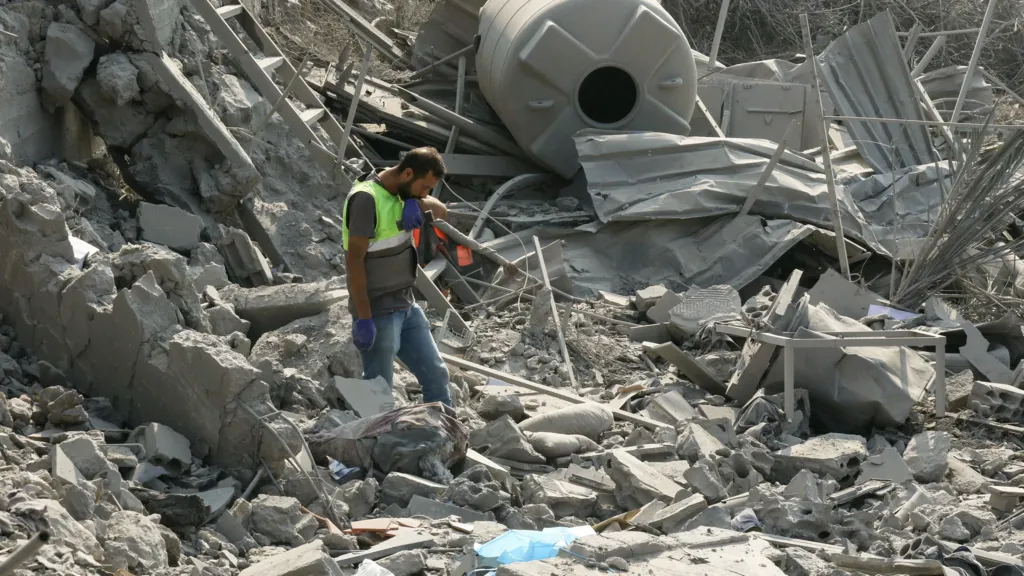
Israeli strikes on Lebanon's southern region have killed 11 people, including seven civilians in a strike on a house in the village of Ansar, 70km south of the capital Beirut. The attack is one of the deadliest days of Israeli strikes in the region since an agreement aimed at reducing hostilities was announced in June.
Lebanon Condemns Israeli Strikes
Lebanon's Prime Minister Nawaf Salam condemned the attacks, saying the seven civilians killed were not "military infrastructure." "Israel must halt this escalation," he said. "For the security of our people and their right to life on their land are not subject to negotiation or bargaining."
The strike in Ansar occurred at around 04:30, where displaced families were living. Footage on social media shows large plumes of smoke permeating through the streets of the village as sirens ring out.
IDF Claims Target Was Hezbollah Commander
The Israeli Defense Forces (IDF) said it had killed a commander of Hezbollah, the Iran-backed Shia militia, following an attack against Israeli soldiers. The commander's family, who the IDF claimed were used as human shields, were present and "harmed" during the strike.
The IDF said the incident that prompted its strike on Ansar had taken place in the Ali al-Taher Ridge, a strategic high ground overlooking much of south-eastern Lebanon and one of the war's most fiercely contested positions.
Hezbollah Denies Israeli Claims
Hezbollah dismissed Netanyahu's "false claims" and said Lebanese civilians "were deliberately targeted in their homes, many of whom were reduced to human remains, followed by claims that the locations were military sites."
The office of Israeli Prime Minister Benjamin Netanyahu issued a statement defending the IDF strike, saying the Hezbollah attack had seriously injured three soldiers and the response had struck "the Hezbollah terror headquarters which ordered the attack."
Escalating Tensions
Lebanon was drawn into the war between Israel, the US and Iran on 2 March, when Hezbollah launched rockets into Israel in retaliation for a strike that killed Iran's supreme leader. Israel responded by launching a bombing campaign across Lebanon and invading a significant part of the country's south.
Despite a reduction in fighting following the June agreements, Israeli strikes and demolitions in southern Lebanon have continued. Lebanese and Israeli negotiators are set to meet for an eighth round of negotiations in September, but a final date has not been set.
The escalating tensions between Israel and Lebanon have raised concerns about the future of the region. With no clear end in sight to the conflict, the people of Lebanon continue to suffer the consequences of the ongoing violence.
Source: Joy Online