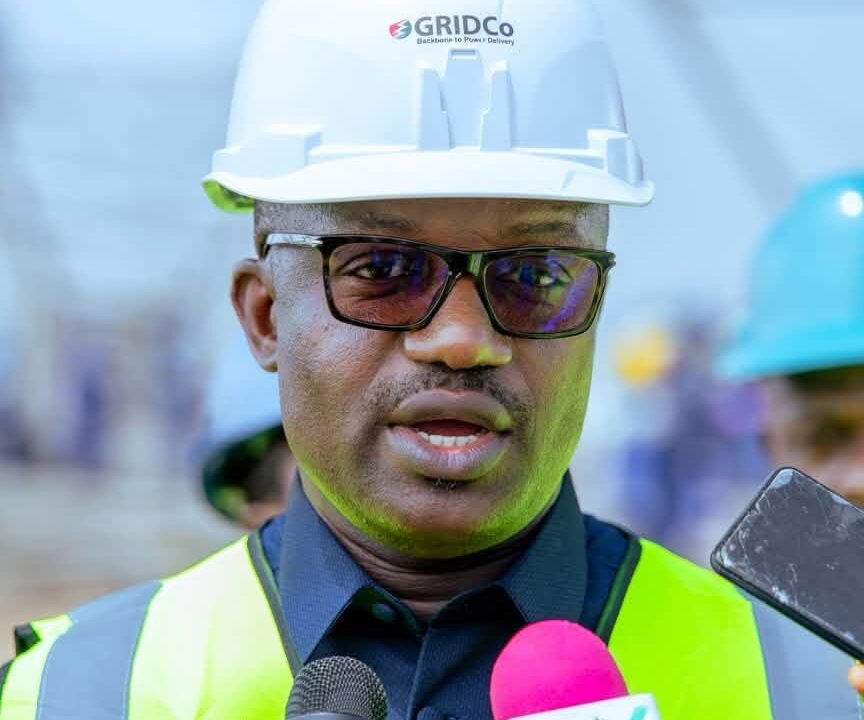
Ghana's Energy Minister, Dr John Abdulai Jinapor, has acknowledged significant weaknesses in the country's electricity transmission network. Speaking on JoyNews, Jinapor said urgent investment is needed to strengthen the grid and improve power supply reliability.
Grid Weaknesses Exposed
Dr Jinapor's comments come as Ghana's transmission network continues to face challenges, requiring significant upgrades. He identified the transmission lines between Kumasi and Accra as an area requiring attention. The corridor is strategically important to Ghana's electricity network, facilitating the movement of power across two major economic centres.
The Minister attributed part of the difficulty in financing critical energy infrastructure to restrictions associated with Ghana's International Monetary Fund (IMF) programme. Several state-owned enterprises in the energy sector, including the Ghana Grid Company Limited (GRIDCo) and the Volta River Authority (VRA), were placed under financing constraints during the programme. Jinapor explained that the restrictions made it difficult for the two institutions to take on the financing required for major infrastructure investments.
IMF Restrictions Hinder Investment
Jinapor specifically mentioned that the energy sector SOEs, including GRIDCo and VRA, were put under the cap during the IMF programme. This made it difficult for the institutions to take on the financing required for major infrastructure investments. "VRA couldn't risk financing, GRIDCo couldn't risk financing," he said.
The Minister expressed optimism that the easing of those constraints would create greater room for investment in the sector. He said government was hopeful of securing the necessary support to begin investing more heavily in the national grid.
Transmission Upgrades on the Agenda
Dr Jinapor's comments suggest that the government is considering transmission upgrades as a critical component of its strategy to improve electricity reliability. The focus comes against a backdrop of concerns that Ghana's transmission system needs additional capacity and alternative routes to prevent individual faults from escalating into wider system disruptions.
The Minister also announced that the Akosombo control station is expected to return to service next month. This will enable electricity generated at the Akosombo facility to be evacuated directly into the transmission network. "Next month, we should have the Akosombo control station back in service, so that we can now evacuate power direct from Akosombo," he said.
Implications for Power Supply
The power shortfalls loom large for Ghana's energy sector, with Dr Jinapor's comments highlighting the urgent need for investment in the transmission network. The country's economic centres, including Kumasi and Accra, rely heavily on the transmission lines, making upgrades crucial for reliable power supply. The Minister's optimism about easing IMF restrictions and securing support for investment is a step in the right direction, but concrete action is needed to address the grid's weaknesses.
Source: Joy Online