
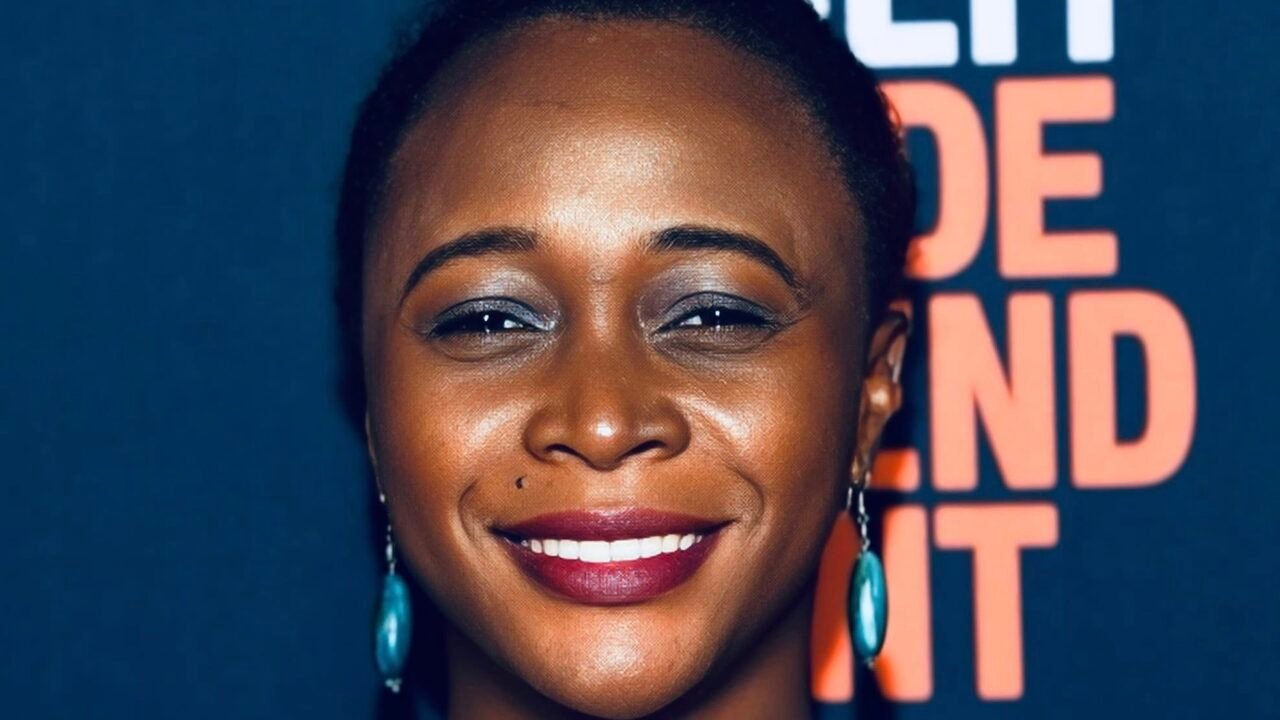
Leila Djansi Fires Back at NFA Over Film Fund Donations
Ghanaian-American filmmaker Leila Djansi has slammed the National Film Authority's (NFA) appeal for public donations to the Ghana Film Fund. In a Facebook post, Djansi questioned the NFA's decision to ask Ghanaians to contribute when structures to make the film industry commercially viable have not been established.
NFA's Fundraising Appeal Sparks Controversy
Djansi's criticism comes after the NFA launched a fundraising appeal to support the Ghana Film Fund. According to the filmmaker, it is wrong to ask Ghanaians to donate when the government's allocation could be used to generate more money. "Back to the NFA. why ask Ghanaians to donate instead of using the government's allocation to generate more money?" she asked.
Establishing Industry Structures
Djansi argued that a Film Fund should be an investment that generates more investment, not a charity that begs for donations. She emphasized that authorities should establish structures that would enable Ghana's film industry to generate sustainable revenue before seeking public support. "Again, I ask: what structures have been put in place to sustain the industry and ensure these films generate revenue?" she wrote.
Rejecting YouTube as a Solution
The award-winning filmmaker also rejected the notion that YouTube could serve as the industry's long-term economic solution. "YouTube is a platform. It is not an industry. It will not replenish a government film fund," she stated. Djansi argued that Ghana should not model its film industry on Nigeria's, as the two countries have different market realities.
Attracting International Productions
Djansi proposed using the Film Fund to attract international productions through competitive tax incentives and grants tied to minimum spending thresholds. She drew comparisons with film incentive programmes in the United States, where states like Georgia offer tax credits for qualifying productions. "Use the Film Fund to attract foreign productions through competitive tax incentives and grants. Give them a minimum spend. $1.5 million and up," she said.
A Sustainable Business Model
Djansi's comments are consistent with her previous views on the film industry. In an opinion article published in March 2025, she argued that government should "fix foundations before funding Ghana's film industry". She emphasized the need for proper industry structures to be established before public money is invested in film production. "Instead of chasing Nigeria's numbers, Ghana should build a model that reflects Ghana's audience and strengths," she said.
What's Next?
Djansi's criticism of the NFA's fundraising appeal has sparked debate in the film industry. As the Ghana Film Fund continues to rely on public donations, it remains to be seen whether the NFA will take Djansi's suggestions on board. One thing is certain: the film industry needs a sustainable business model to thrive. With Djansi's proposal to attract international productions through competitive tax incentives, the industry may finally have a chance to move beyond relying on YouTube and public donations.
Source: Joy Online