Almost every Ghanaian has had malaria or knows someone who has. It is so common that many people treat it lightly. Yet malaria can be serious, especially for young children and pregnant women, and much of it can be prevented.
How malaria spreads
Malaria is caused by parasites transmitted through the bites of infected female Anopheles mosquitoes, which often bite in the evening and at night.
Around the home
Mosquitoes breed in stagnant water. Empty containers, clear gutters, cover water storage tanks and dispose of old tyres and cans that collect rainwater.
Bed nets
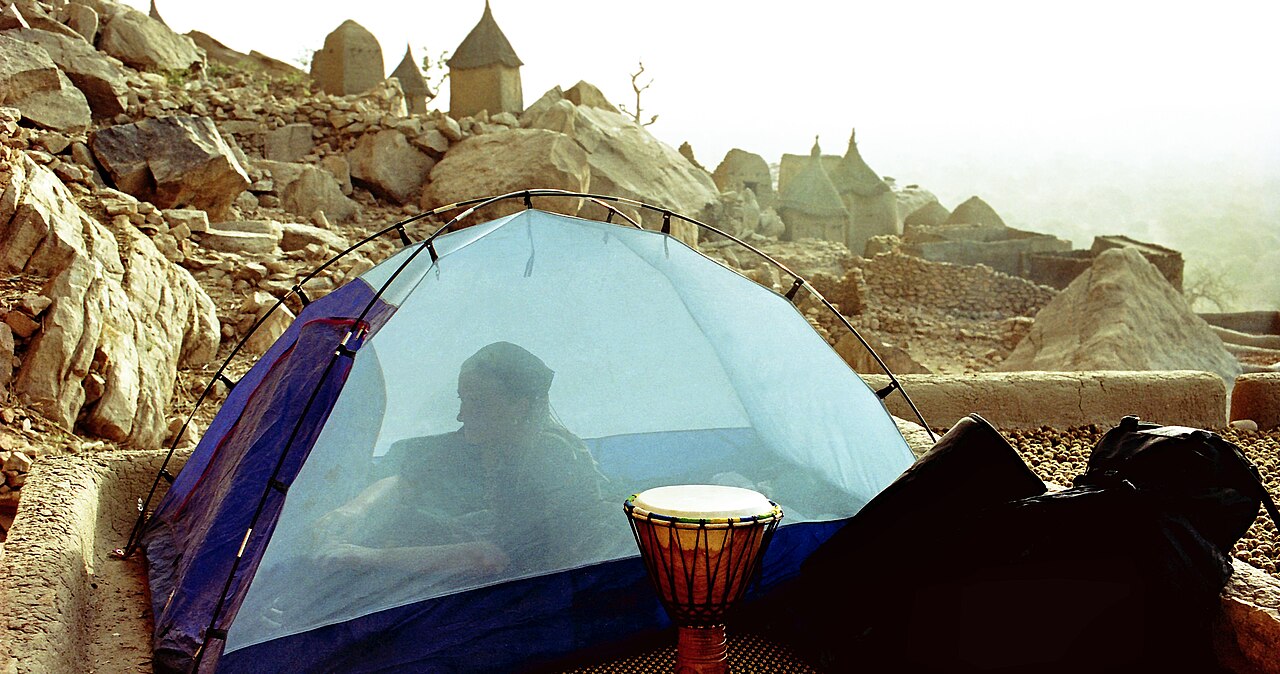
Sleeping under an insecticide-treated bed net is one of the most effective protections. Check nets for holes and tuck them under the mattress.
Screens and repellents
Window and door screens keep mosquitoes out. Insect repellents on exposed skin help in the evening, especially outdoors.
Clothing
Long sleeves and trousers in the evening reduce bites, particularly during outdoor events.
Test before treating
Many fevers are not malaria. Get tested at a health facility or pharmacy with rapid diagnostic tests before taking antimalarial medicines.
Treatment
If malaria is confirmed, take the recommended treatment exactly as prescribed and finish the full course.
Children
Young children are at higher risk of severe malaria. Seek medical care quickly if a child has fever, vomiting, convulsions or unusual sleepiness.
Pregnant women
Malaria in pregnancy can harm mother and baby. Pregnant women should attend antenatal care, where preventive treatment and nets are often provided.
Visitors
Visitors from abroad, including Ghanaians who have lived outside the country for years, may have lost immunity. They should consult a doctor about preventive medicine before travelling.
Vaccines
Malaria vaccines have been introduced in parts of Ghana for young children in recent years. Ask health workers about eligibility.
Community action
Clearing gutters, removing rubbish and filling potholes where water collects can reduce mosquito breeding across a whole neighbourhood. Community clean-up days make a difference beyond individual homes.
Recognising symptoms
Common symptoms include fever, chills, headache, body aches and tiredness. Symptoms can appear days or weeks after a bite, so mention recent travel or exposure to health workers.
Small habits, big protection
Emptying a bucket, closing a screen door and sleeping under a net seem minor. Together, they are among the most effective ways to keep malaria out of the home.