Minister Unveils National Sanitation Model with Waste Transfer Stations
The operational facilities located at Abokobi, Teshie, Achimota, Ashaiman and Jamestown, were reopened following directives from the President of the Republic of Ghana, H.E. John Dramani Mahama to accelerate waste evacuation.
New Sanitation Model Unveiled
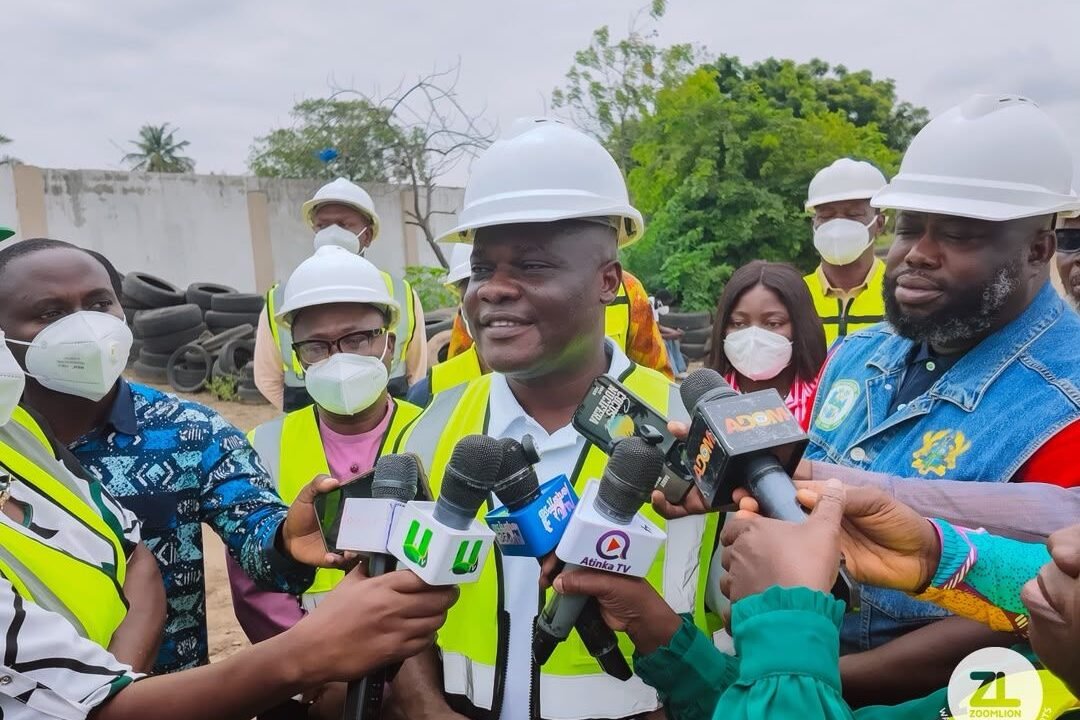
Minister of Sanitation and Water Resources, Hon. Joseph K. K. K. Kankam, has announced the launch of a new national sanitation model with waste transfer stations across the country. The model is expected to improve waste management and reduce the risk of cholera outbreaks.
According to the Minister, the reopened facilities will serve as waste transfer stations, playing a crucial role in the country's efforts to manage waste and improve public health. The new sanitation model aims to ensure that waste is collected and disposed of properly, reducing the burden on the environment and the risk of water-borne diseases.
Accelerating Waste Evacuation
The reopening of the facilities follows directives from President John Dramani Mahama to accelerate waste evacuation. The President's directive was aimed at addressing the growing concerns about waste management in the country. With the new sanitation model, the Minister hopes to ensure that waste is managed efficiently and effectively.
Boosting Public Health
The new sanitation model is expected to have a significant impact on public health in Ghana. By reducing the risk of cholera outbreaks and other water-borne diseases, the model will contribute to a healthier population. The Minister's efforts to improve waste management will also reduce the burden on the country's healthcare system.
What's Next?
The success of the new sanitation model will depend on the implementation and maintenance of the facilities. The Minister has assured the public that the government will work tirelessly to ensure that the facilities are well-maintained and that the sanitation model is effective in reducing waste and improving public health. With the new sanitation model in place, the country is one step closer to achieving its goal of improving public health and reducing the risk of water-borne diseases.
Source: 3News