

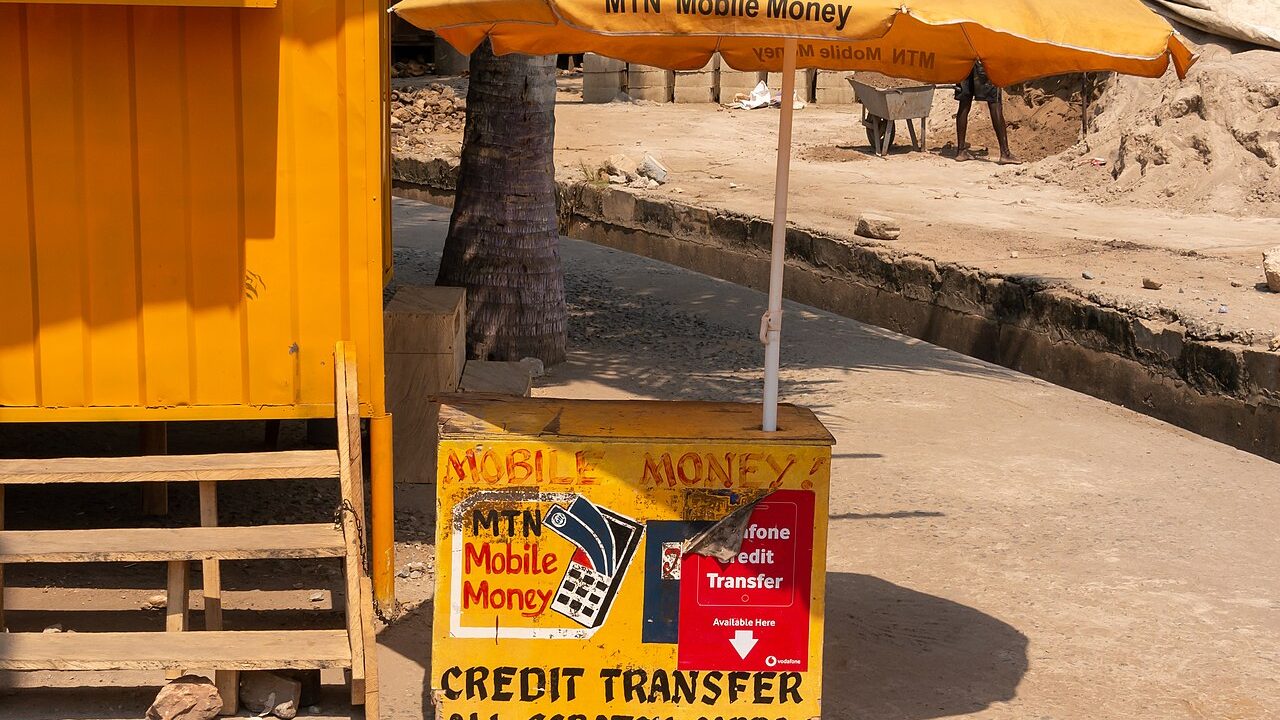
Before 2018, if you had MTN Mobile Money and your friend used another network’s wallet, sending money meant a trip to an agent, a cash withdrawal and another deposit. After May 2018, it took a few taps.
Ghana’s mobile money interoperability system was launched on 10 May 2018 by Vice President Mahamudu Bawumia.
What interoperability means
Interoperability allows money to move between different mobile money providers and between mobile wallets and bank accounts. Users no longer need to have the same network as the person they are paying.
Who built it
The platform was developed by the Ghana Interbank Payment and Settlement Systems, known as GhIPSS, a subsidiary of the Bank of Ghana that runs national payment systems.
The launch had been planned for late 2017 but was delayed several times because of technical issues.
Why it mattered
Mobile money was already huge in Ghana, used by millions of people who did not have bank accounts. But each network operated like a separate island. Interoperability joined the islands together, making digital payments more useful for traders, businesses and families.
Early in Africa
Ghana was among the early countries in Africa to introduce interoperability across mobile money networks and banks. Other countries, including Tanzania, Rwanda and Uganda, have also developed interoperable systems.
Growth
Transactions through the interoperability platform grew quickly after the launch. The system supported the government’s push towards a less cash-based economy and later made it easier to pay for services and government fees digitally.
Charges and the E-Levy
Mobile money transfers carry charges, and in 2022 the government introduced the E-Levy on electronic transfers, which affected how people used mobile money. The E-Levy was later abolished.
Merchants
Interoperability also made it easier for shops and small businesses to accept payments from customers on any network, and for customers to pay bills and fees from their wallets.
Fraud
The spread of mobile money also brought fraud, including scams by callers pretending to be agents or relatives. Authorities and operators have run campaigns warning users never to share their PIN.
A small change, a big effect
For many Ghanaians, interoperability is invisible: they simply send money to a number and it arrives. That ease is the point, and it has changed how the country pays for everything from kenkey to school fees.

.jpg)