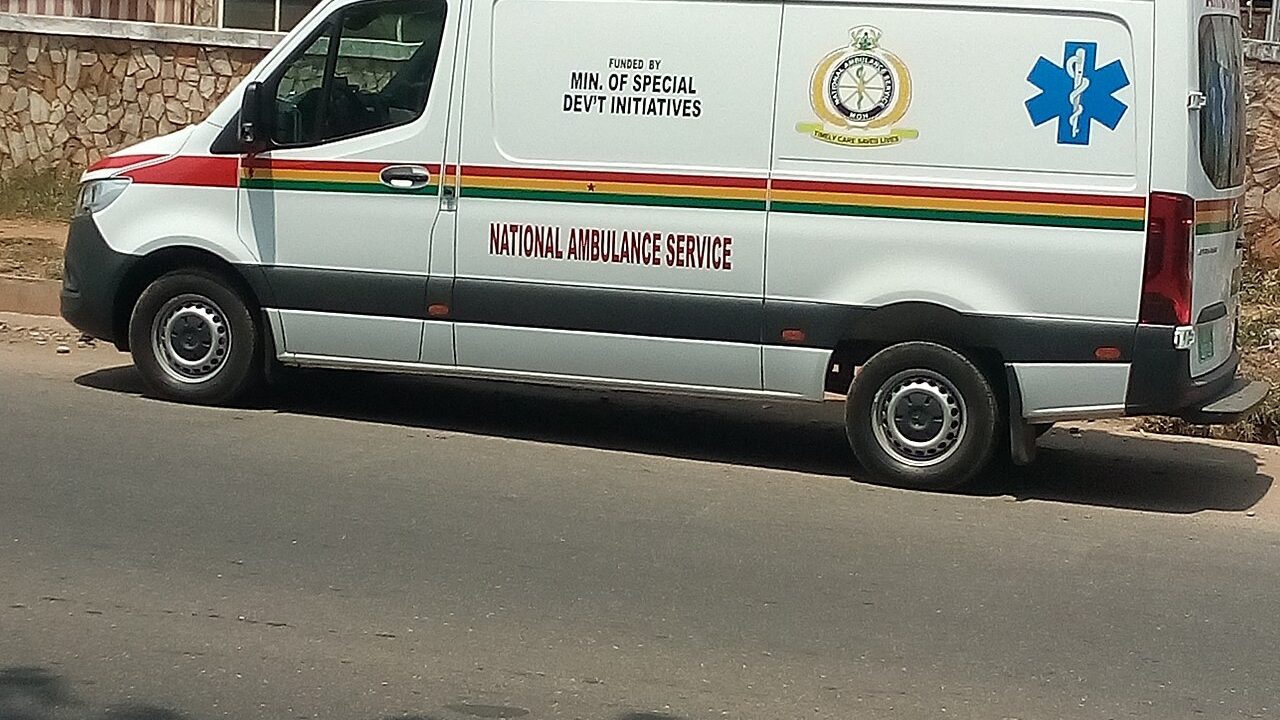
For years, many Ghanaians in an emergency simply took a taxi to hospital. There were too few ambulances, and calling one often meant a long wait. The National Ambulance Service, which began as a pilot in 2004, set out to change that. In January 2020, the government commissioned 307 new ambulances, one for each constituency, in one of the largest expansions of emergency services in the country’s history.
Beginnings and the technicians
The National Ambulance Service started in 2004 with a small number of stations and vehicles, after a series of road accidents and emergencies exposed the lack of pre-hospital care. The service was later given a legal basis by an act of Parliament, establishing it as an agency under the Ministry of Health. The service trains emergency medical technicians, who provide care at the scene and on the way to hospital. Training programmes have expanded over the years.
Ambulances, response times and abuse
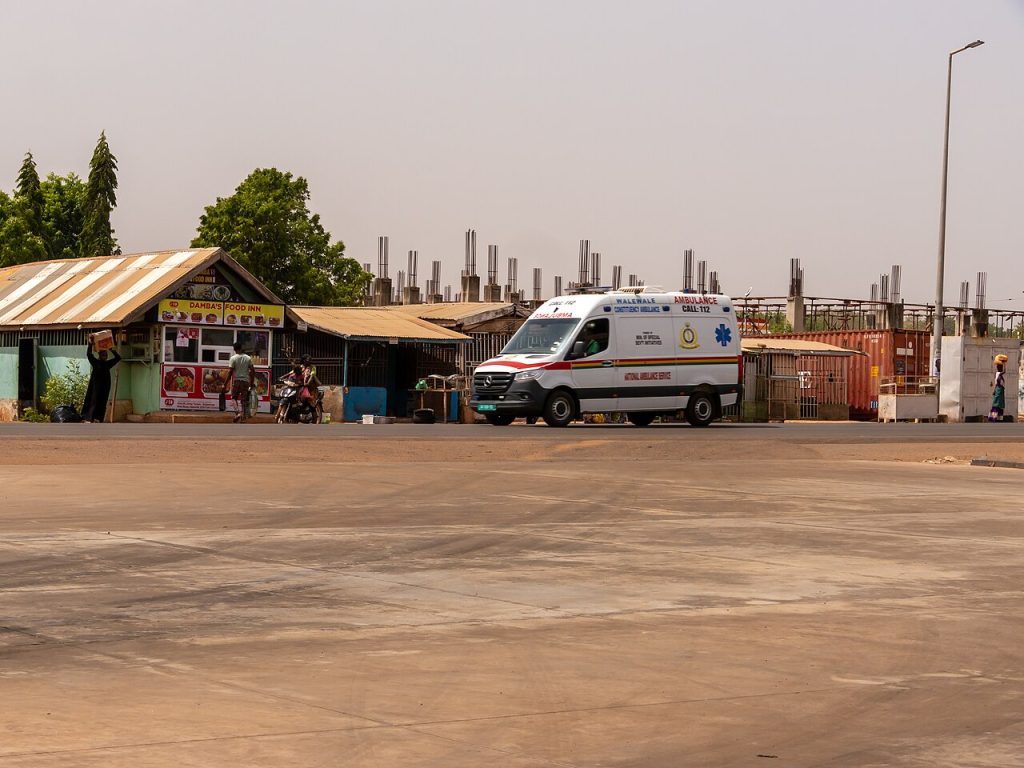
In January 2020, President Akufo-Addo commissioned 307 ambulances at Black Star Square in Accra. The vehicles were distributed across the country, with the aim of placing an ambulance in every constituency. The emergency number 112 connects callers to emergency services, including ambulances. The service also uses other short codes and regional numbers. Response times have improved in many areas since the expansion, though delays remain in remote places and in heavy traffic.
The service faces shortages of trained staff, fuel, maintenance funds and equipment. Some ambulances have been reported idle because of repairs or lack of fuel. Prank calls waste time and resources. Officials have urged the public to call only in genuine emergencies.
Road accidents, hospitals and training
Road accidents are a major source of emergency calls. Ghana records thousands of deaths on its roads each year, many involving pedestrians and motorcyclists. Ambulances need hospitals ready to receive patients. The “no bed syndrome”, when emergency departments turn patients away, has been a recurring problem. The service has expanded training for emergency medical technicians through its own training school, aiming to keep pace with the larger fleet of vehicles delivered since 2020.
An ambulance can be the difference between life and death in the first hour after an emergency. Ghana now has more of them than ever. Keeping them fuelled, staffed and on the road is the next test.