The land was a gift between families. In the early 1930s, according to the account later argued over in Ghana’s courts, Malam Amadu Futa approached the Odoi Kwao family for land north of the old town of Accra and received it by customary grant. On that ground grew Nima, now one of the most densely populated and most talked-about neighbourhoods in the capital.
The founding family
Because of that grant, the Futa family is regarded as the founder of Nima. Their role has not gone unchallenged. Around 1940, a faction of settlers began to contest the Futa family’s claim to the land. The dispute grew more bitter over the following decade and climaxed in 1951 in fatal violence and land litigation. A consent judgement was adopted by the Court of Appeal in 1970. Chieftaincy questions in Nima still return to that history.
A zongo
Nima developed as a settlement for traders and migrants from the northern regions of Ghana and from neighbouring countries such as Togo, Burkina Faso, Niger and Nigeria. Like other zongos in Ghanaian towns, it became a place where Hausa served as a common language and Islam shaped daily life. Mosques, Koranic schools and markets sit side by side with churches and Christian families.
Nima and Maamobi
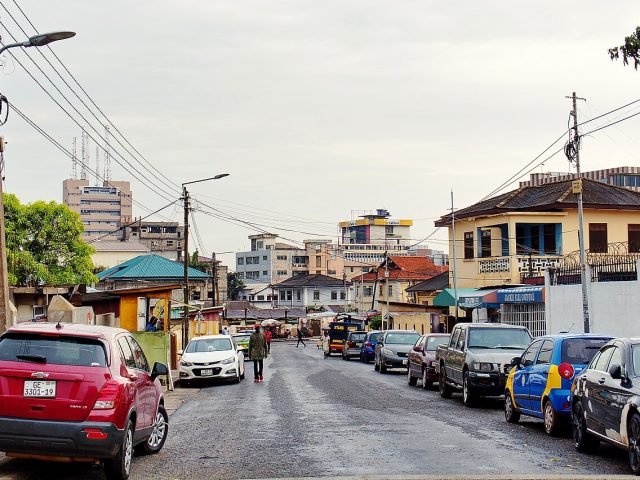
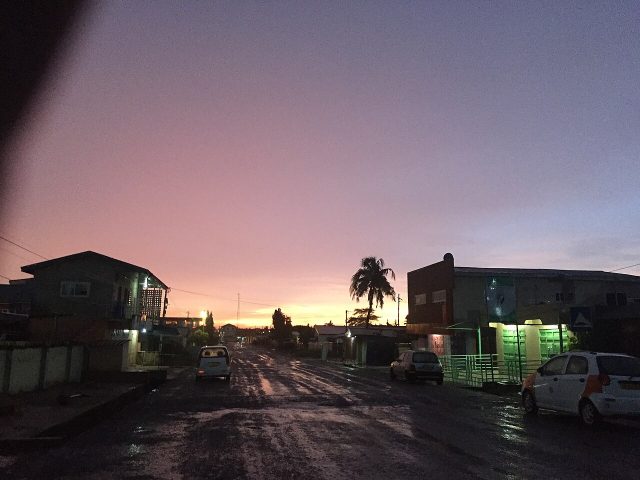
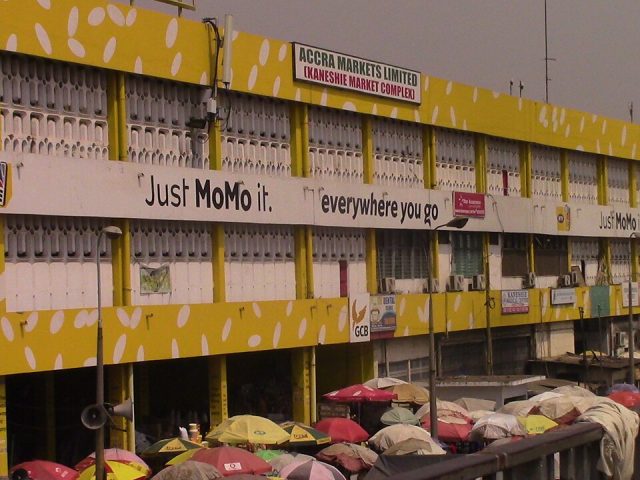
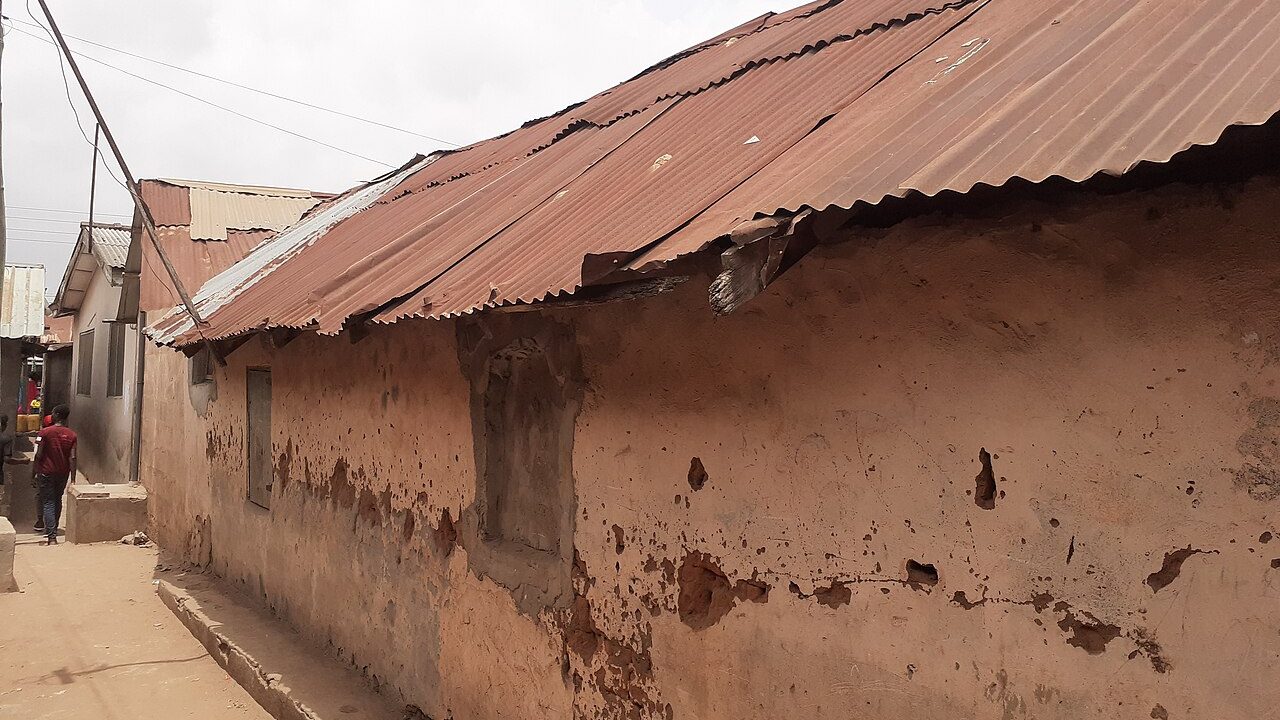
Nima merges with its neighbour Maamobi, and outsiders often treat them as one place. The Nima market, the busy main road and the Kawukudi junction anchor the area. Its streets are narrow, its houses close together, and its population large for the space.

Reputation
For decades, Nima carried a reputation for crime and poverty in Ghanaian media. Residents have long complained that the label is unfair and ignores the community’s working life: traders, drivers, artisans, teachers and students. Many prominent Ghanaians grew up in Nima and speak of it with pride.
Football
Nima is famous for football. Its small, dusty pitches produced players who went on to play for clubs in Ghana and abroad. Street football in Nima is fierce, and talent scouts have long visited the area’s colts teams.
Floods and the Odaw
Parts of Nima lie along watercourses that feed the Odaw drainage system, and flooding during heavy rain is a recurring problem. Drainage projects and occasional demolitions of structures built on waterways have caused tension with residents.
Change on the edges
Nima sits close to some of Accra’s richest areas. East Legon, Airport Residential Area and Kanda are only a few minutes away by car. As land prices rise around it, developers have begun to look at its edges, and residents worry about being pushed out.
Nima began with one family’s grant of land to a Muslim leader from the north. Ninety years later, it is home to a large and diverse community, and the argument over who owns that first piece of land has never fully gone away.