A job offer abroad, a visa application or a professional licence can suddenly require a document many people have never seen: a police clearance certificate. Here is what it is and how the process generally works in Ghana.
What it is
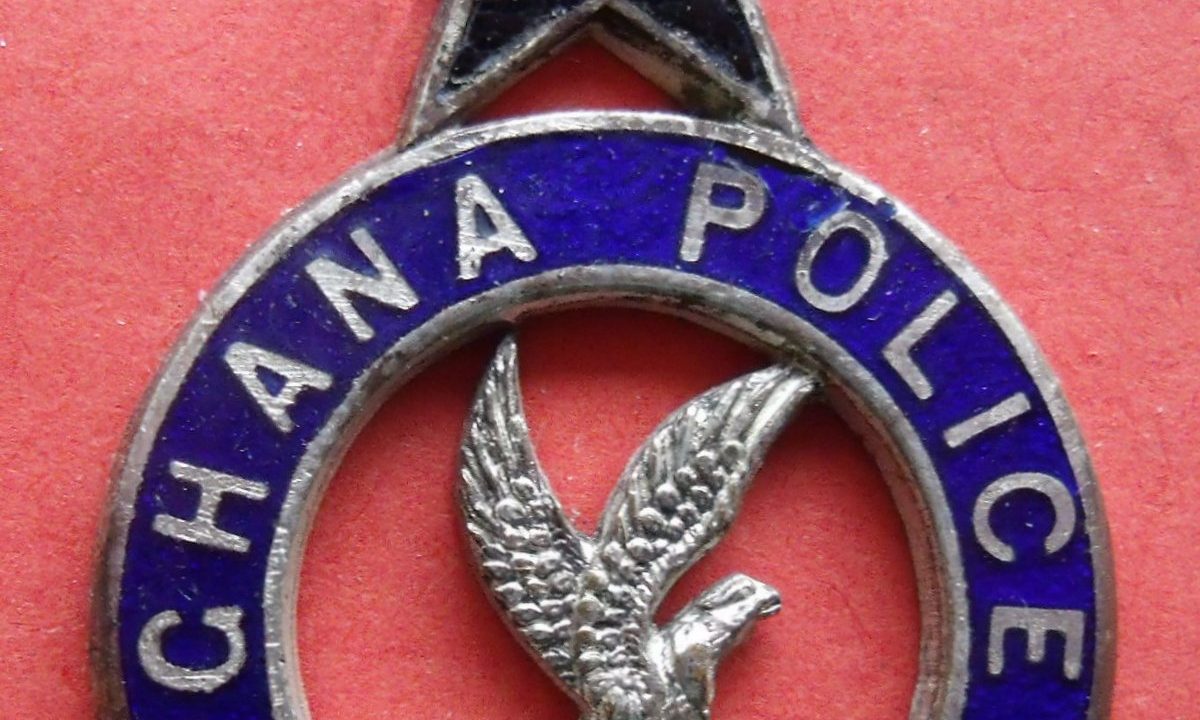
A police clearance certificate, sometimes called a police report, confirms whether a person has a criminal record in Ghana. It is issued through the Ghana Police Service.
Who asks for it
Embassies processing visas and residence permits, employers, universities, adoption agencies and licensing bodies often require one.
Check current procedures
Procedures, fees and processing times change. Some steps may be available online. Always confirm the current process with the police service or the institution requesting the report.
Fingerprinting
The process usually involves taking your fingerprints so that records can be checked. You may be asked to attend a police facility for this.
Documents
Applicants typically provide identification such as the Ghana Card or passport, passport photographs and a completed application. Some institutions require a letter explaining the purpose of the report.
Processing time
Processing can take days or weeks. Apply well before your visa or job deadline.
Applying from abroad
Ghanaians abroad may be able to apply through a Ghanaian embassy or high commission, or through an authorised representative in Ghana. Fingerprints may need to be taken abroad and sent.
Validity
Many institutions only accept reports issued within a certain period, often six months. Check the requirement before applying.
Beware of fakes
Do not pay middlemen who promise quick reports. Fake documents can lead to visa refusals, bans and criminal charges.
If you have a record
If you have a past conviction, the report will show it. Seek legal advice about your options, and be honest on applications, since false declarations can be treated more seriously than the original offence.
Keeping copies
Once you receive the certificate, make copies and keep the original safe. Some institutions require the original, while others accept certified copies. Check before sending documents abroad.
Translations
If the report will be used in a country where English is not an official language, you may need a certified translation. Ask the requesting institution about their requirements.
Plan ahead
Most people only think about police reports at the last minute. If you are planning to study, work or migrate, starting the process early can remove one of the most common causes of delay.