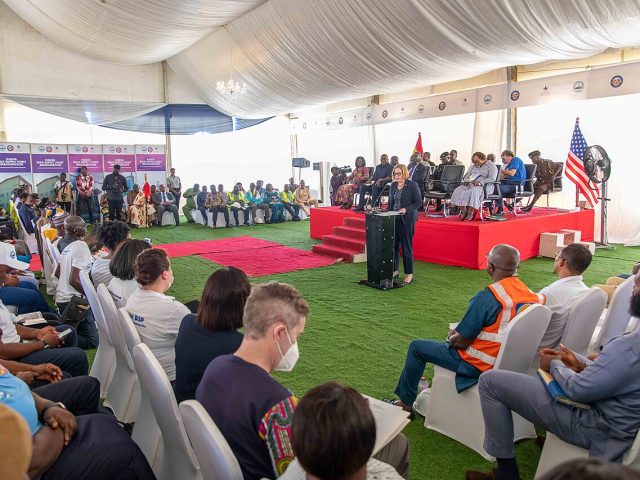
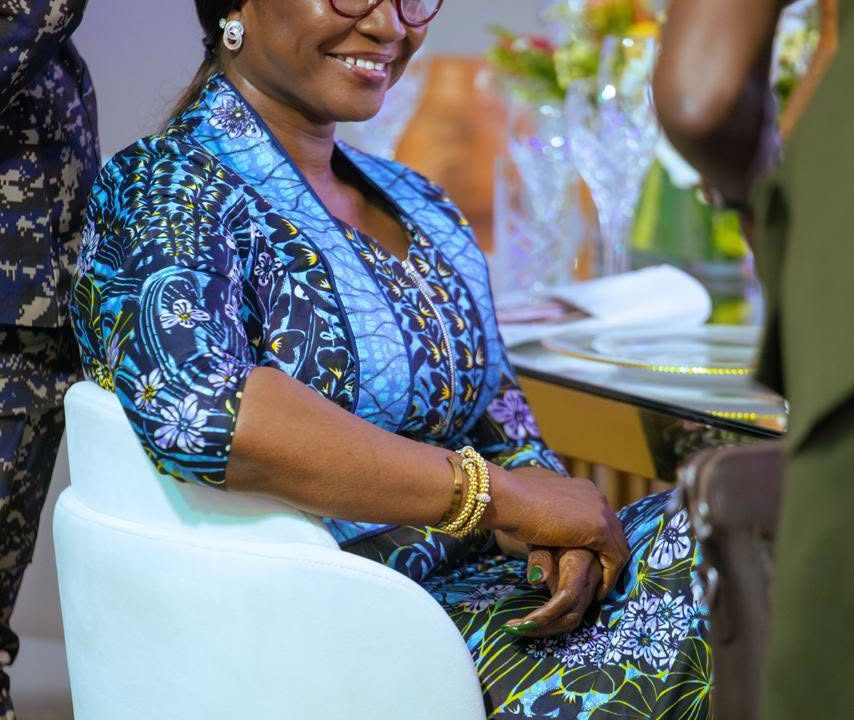
At the 80th United Nations General Assembly, Ghana stepped beyond the usual diplomatic routine. President John Dramani Mahama used the global platform not just to join discussions but to push a set of ideas that reflect a growing voice for Africa on the world stage. Joyce Bawah Mogtari, Senior Presidential Advisor and Senior Presidential Aide, described Ghana’s role at UNGA80 as “showing up differently,” marking a shift in how the country presents itself internationally.
In a Facebook post on September 29, Mogtari said Ghana’s presence at the assembly was more than attendance. She pointed to the country’s active advocacy on reparations, the Accra Reset initiative, and the rising interest from international leaders and institutions in working with President Mahama. This follows last year’s UN General Assembly, where Mahama called for a stronger African voice, a fairer global financial system, greater control over Africa’s resources, and a new relationship with development partners.
Those themes have stayed on the table. Ghana led the charge on the UN resolution about Reparations and Reparatory Justice. Alongside the Accra Reset, these efforts have kept conversations about Africa’s place and power alive in international circles.
“Ghana had something to say. Ghana had something to show. And increasingly, Ghana has something to offer,” Mogtari wrote. She also highlighted Ghana’s push for value addition to cocoa and minerals, increased African ownership of development financing, and support for the African Continental Free Trade Area. These moves, she said, are creating new opportunities for investors and international partners.
The Accra Reset initiative, though not detailed in Mogtari’s post, signals Ghana’s effort to rethink how Africa relates to the rest of the world, especially in terms of economic partnerships and development models. It aims to shift away from old dependencies toward more equal and beneficial arrangements.
Despite Ghana’s growing visibility, Mogtari stressed that international diplomacy alone won’t fix the country’s economic challenges. “The real task is to convert access into investment, investment into businesses, businesses into jobs and economic growth into better lives,” she said.
This approach suggests Ghana is looking beyond speeches and resolutions. The country wants tangible results—more jobs, stronger businesses, and a better standard of living for its people. Ghana’s increased presence at the UN could open doors, but turning those openings into real economic progress remains the challenge.
The timing matters. Ghana’s economy faces pressures like many others in the region, including fluctuating commodity prices and the need for sustainable growth. By pushing its agenda on the global stage, Ghana hopes to attract investments that add value locally rather than just exporting raw materials.
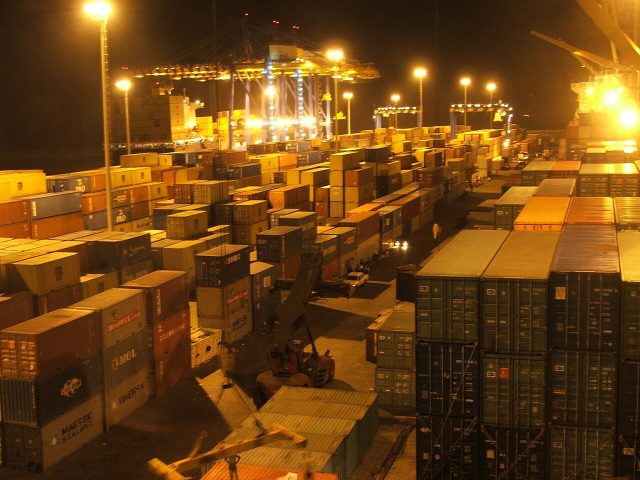
The focus on cocoa and minerals reflects this. Ghana is one of the world’s top cocoa producers, but much of the value comes from processing and manufacturing done elsewhere. Advocating for more local processing could keep more profits in Ghana and create new industries.
Similarly, greater African ownership of development financing aims to reduce reliance on foreign aid and loans with heavy conditions. Instead, it promotes African-driven solutions backed by African resources and markets.
President Mahama’s leadership on these issues at the UN signals a broader ambition to shape how Africa interacts with the global economy. It’s a push for fairness and control, not just charity or aid.
As Mogtari put it, Ghana is “showing up differently” and “the world is beginning to notice.” Whether this new visibility translates into lasting economic gains depends on follow-through back home and sustained international engagement.
For now, Ghana’s louder voice at the UN and its leadership on reparations and the Accra Reset put the country in a new spotlight. The coming months and years will show if this global influence can deliver the jobs and growth Ghana’s people need.
According to Joy Online.