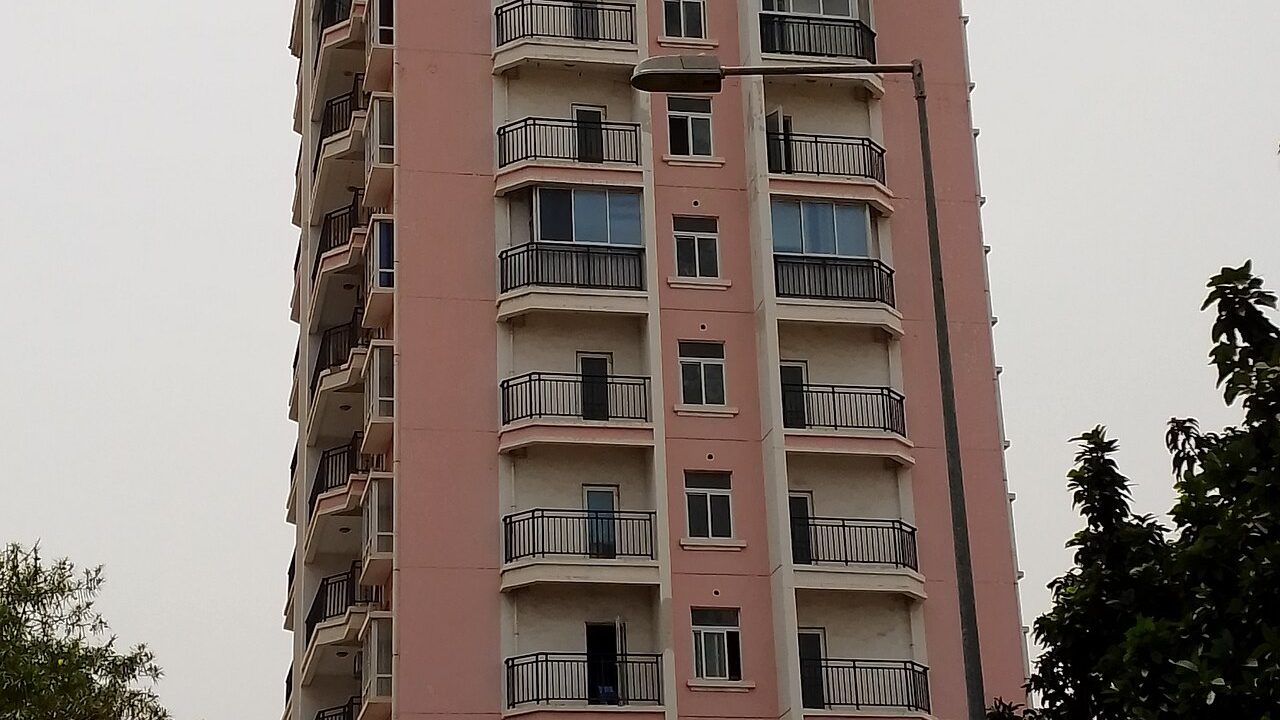
The figure that shocks most new arrivals to Accra is not the monthly rent. It is the advance. Many landlords ask for one or two years’ rent upfront before handing over keys, a practice that forces young workers to borrow, sell assets or stay in family homes longer than they want. The law says something quite different.
What the law says
The Rent Act of 1963 (Act 220) is still the main law governing tenancies in Ghana. It limits rent advance to six months for monthly tenancies. Landlords who demand more are, on paper, breaking the law.
What actually happens
In practice, demands for one, two or even three years’ advance are common, especially in popular areas. High demand, a shortage of affordable housing and weak enforcement mean tenants often have little choice. Many pay because the alternative is not finding a place at all.
The Rent Control Department
The Rent Control Department handles disputes between landlords and tenants. It has offices in Accra and other cities. Tenants can file complaints about illegal advances, unlawful eviction, refusal to issue receipts and other problems. Officers can mediate and, if necessary, refer cases to the rent magistrate.

Dollar rents
Some landlords quote rent in dollars, especially in upscale areas. Ghanaian law requires local transactions to be priced in cedis, and authorities have repeatedly warned against foreign currency pricing.
Tenancy agreements
Always ask for a written tenancy agreement. It should state the rent, the period of advance, who is responsible for repairs, utility arrangements and notice periods. Read it carefully and keep a copy.
Receipts
Insist on receipts for every payment. If a dispute arises, receipts are the strongest evidence of what you paid and when.
Agents
Many rentals in Accra go through agents, who usually charge a commission, often equal to a percentage of the advance. Agree on the fee before viewing properties, and be wary of agents who demand money just to show houses.
Inspect before paying
Visit the property more than once, ideally at different times of day and after rain. Check water supply, meters, roofing, security and noise. Ask neighbours about flooding and the landlord’s behaviour.
Reform debates
Governments have discussed updating the 1963 law for years, and a National Rental Assistance Scheme was introduced to help some workers pay advances in instalments. Housing advocates say a new rent law and more affordable housing are needed to break the advance culture.
A law from 1963 sets the limit at six months. Until enforcement catches up, the tenant with a receipt and a written agreement is the one in the strongest position.