
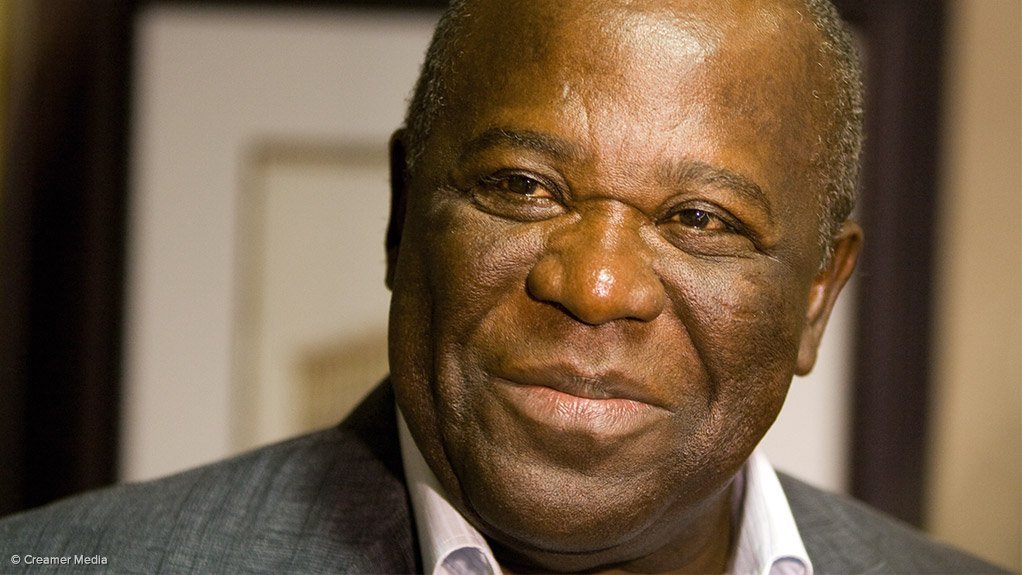
Universities Risk Becoming Obsolete, Warns Sam Jonah
Sam Jonah, Chancellor of the University of Cape Coast, has sounded the alarm that universities in Africa risk becoming obsolete if they fail to redefine their purpose in the age of artificial intelligence. Speaking at the installation of Professor John Aheto as the university's new Vice-Chancellor on Friday, August 1, Jonah warned that institutions that cling to the traditional model of transmitting knowledge risk being left behind.
The End of the Era of Transmission
According to Jonah, the advent of artificial intelligence has fundamentally changed higher education by making knowledge instantly accessible. "For the first time in human history, the cleverest entity in the room may not be a person," he said. "The scarcity of answers is over. We now live in the Age of Answers — where answers are abundant, instant, and nearly free." This shift, Jonah argued, means that universities must rethink their mission and focus on developing qualities that machines cannot replicate.
From Knowledge to Practical Ability
Jonah criticised an education system that rewards memorisation instead of practical ability. "Too many of our graduates leave university having memorised much and built little," he said. "The world our graduates are entering will not ask them what they know. It will ask them what they can do." He warned that Africa's development would remain stalled if universities continued producing graduates with theoretical knowledge but limited practical competence.
The Value of Human Skills
Jonah rejected claims that artificial intelligence would eliminate all jobs, saying technology would instead increase the value of human skills. "AI will take every job that consists of knowing things — and it will multiply the value of every job that consists of doing things in the physical world and caring for people in the human world." He stressed that no technology could replace human judgment, empathy, or skilled manual work. "The great irony of our age is this: the more artificial the world becomes, the more precious the human becomes."
Building Institutions for Africa
Jonah urged African universities to stop copying models developed elsewhere and instead build institutions that respond to the continent's own realities. "We must not merely update a model designed elsewhere and call it progress. We must build institutions conceived in Africa and led from Africa." Ending with a challenge to the new Vice-Chancellor and the university community, he said institutions that embrace change would shape the future, while those that resist it would become irrelevant.
The Future of African Universities
As universities in Africa grapple with the implications of Jonah's warning, the question on everyone's mind is: what happens next? Will institutions cling to the old model of transmitting knowledge, or will they seize the opportunity to redefine their purpose and focus on developing the skills that machines cannot replicate? One thing is certain: the future of African universities hangs in the balance, and the choices they make in the coming years will have far-reaching consequences for the continent's development.
Source: Joy Online