
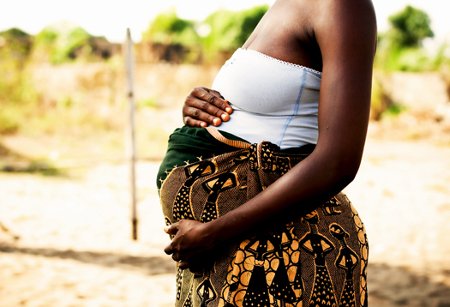
The South Tongu District in the Volta Region recorded 190 cases of teenage pregnancy from January to June 2026, up from 166 cases in the same period last year. This increase pushed the district’s teenage pregnancy rate past the national threshold of 11.5%, reaching 11.6%, according to the South Tongu District Public Health Nurse, Rachelle Elikem Zewu.
Zewu described the rise as worrying. “We want to go below the 11.5% or the 9.5% that we recorded last year,” she said. She added that an intensive adolescent education campaign has begun, aiming to improve young people’s knowledge of sexual health and help them avoid risky behaviour. The initiative involves local stakeholders working together to address not only teenage pregnancy but also substance abuse and other challenges affecting adolescents.
The district has a poverty index of 36.0%, according to the Ghana Statistical Service, with many residents living in rural communities along the Volta River. Poverty, drug abuse, inadequate sexual education, sexual and gender-based violence, and unprotected sex have all been identified as contributing factors to the high rate of teenage pregnancy.
Traditional leaders in the district have voiced concern over the impact of teenage pregnancy on development. The Queenmother of Fevie, Nanega Mariama Fomedigbe II, said ignorance, unemployment, and indiscipline were major causes. “Most of the youth are not gainfully employed which has given them space to succumb to peer pressure and engage in the use of illicit drugs and sexual activities. In certain situations, it is ignorant, it is not their will to engage in vices,” she said.
Fomedigbe II also spoke about the Nanega Development Initiative (NADI), which aims to reduce teenage pregnancy across South Tongu and plans to extend the campaign to 17 other districts in the Volta Region. She urged stakeholders to support the initiative with resources. “Please, if we come to you, do help us on this anti-teenage pregnancy campaign to propel the development of the region,” she said.
The rise in teenage pregnancy reflects broader social and economic challenges faced by the district. While the educational campaign and local initiatives focus on prevention, the underlying issues of poverty and lack of opportunity remain pressing. The situation in South Tongu signals the difficulties rural districts face in meeting national targets for adolescent health and development.
According to Joy Online.