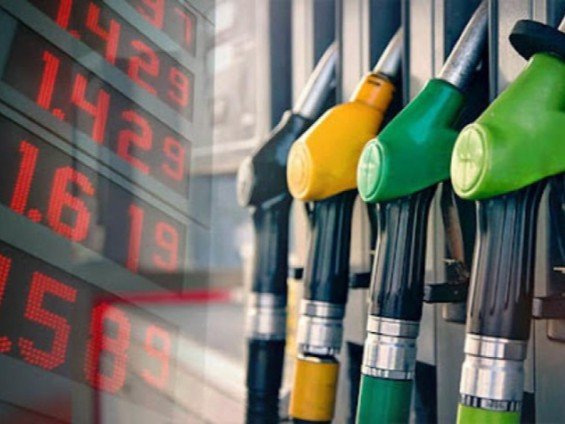
Fuel prices at the pumps have skyrocketed, with Star Oil leading the way. As of August 1, 2026, a liter of petrol now costs GH¢14.53, while diesel is selling at GH¢18.77.
Star Oil Takes the Lead
Major Oil Marketing Company (OMC) Star Oil has increased fuel prices at the pumps, in line with the industry's bi-weekly fuel price review mechanism under the petroleum price deregulation policy. On August 1, 2026, Star Oil increased petrol from GH¢14.47 to GH¢14.53, while diesel has been reviewed from GH¢17.67 to GH¢18.77.
Reasons Behind the Increase
The Chief Executive of Star Oil, Philip Tieku, explained that the sharp rise in global crude oil prices and higher prices for refined petroleum products are driving the projected increase in fuel prices. According to the Chamber of Oil Marketing Companies (COMAC), average crude oil prices increased by 23.25%, while refined petroleum products also recorded substantial gains. Diesel posted the highest increase at 24.84%, followed by petrol at 12.58% and LPG at 12.24%.
Market Reaction and Analysis
Star Oil prices were the same as the price floor set by the National Petroleum Authority with respect to petrol. Since July 15, 2026, Star Oil have reviewed petroleum prices at the pumps three times. Other OMCs are expected to review prices at the pumps on August 2, 2026, while some have indicated that they will adjust prices on Monday, August 3, 2026. Market analysts believe the increases at the pumps may not be as steep for many consumers, as several OMCs have already raised prices in recent weeks.
What's Next for Consumers and Transport Fares
The development could put pressure on the transport minister to grant the request of the Ghana Private Road Transport Union to increase transport fares. According to COMAC, the cedi's depreciation against the US dollar is another key factor behind the expected price increases. For the August 1 pricing window, the exchange rate moved from GH¢11.4970 to GH¢11.6593 per US dollar, representing a 1.41% depreciation. This further increases the cost of importing petroleum products.
The sharp rise in fuel prices is likely to have a significant impact on the lives of Ghanaians, particularly those who rely on public transport. As the prices continue to increase, it remains to be seen whether the transport minister will grant the request of the Ghana Private Road Transport Union to increase transport fares. One thing is certain, however: the cost of living in Ghana is set to rise even further.
Source: Joy Online