

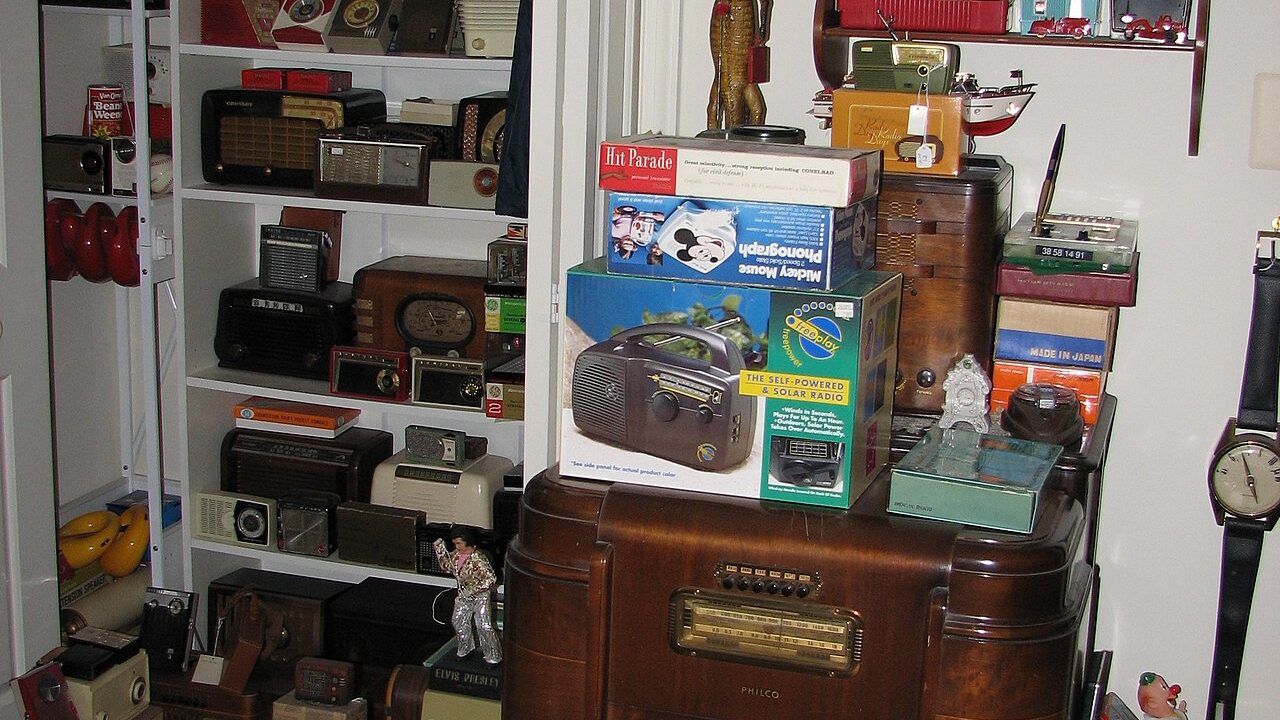
Accra today has dozens of FM stations, talk shows and phone-ins. It all started with loudspeakers wired into homes and a governor who wanted to bring the news to “all and sundry”.
31 July 1935
Broadcasting in the Gold Coast began on 31 July 1935, from a wired relay station opened in Accra. It was known as Station ZOY.
The governor’s idea
The driving force was Arnold Hodson, then Governor of the Gold Coast. At the opening, gramophone records of martial and light music were played, and Hodson spoke about the purpose of the service: to bring news, entertainment and music into the homes of all and sundry.
How wired relay worked
Station ZOY was a relay station. Instead of listeners buying radio sets, the station received programmes and sent them by wire to loudspeaker boxes in subscribers’ homes and public places. Much of the content came from the BBC.
War and news
During the Second World War, radio became an important way to share news from Europe and to encourage support for the war effort. The service expanded to other towns.
Local voices
Over time, programmes in Ghanaian languages were added, along with local music and announcements. Radio became a way for the colonial government to communicate with the population, and for Ghanaians to hear their own languages on air.
From ZOY to GBC
The service grew into the Gold Coast Broadcasting System and, after independence, the Ghana Broadcasting Corporation. GBC later added television, launched in 1965, and regional radio stations.
Liberalisation
For decades, the state held a monopoly on broadcasting. That changed in the 1990s, when private FM stations were allowed, starting a boom that transformed Ghana’s media.
Radio’s power today
Radio remains the most widely used medium in Ghana, especially outside big cities. Morning shows shape political debate, and stations in local languages reach audiences that newspapers and television cannot.
Old sets, new stories
Older Ghanaians still remember the wired “box” loudspeakers that brought news into homes and compounds. Families would gather around them for news bulletins and music, a habit that carried over to transistor radios and, much later, to phones streaming FM stations online.
The first voice
The man who launched broadcasting in the Gold Coast was a colonial governor playing gramophone records. Ninety years later, the airwaves he opened belong to Ghanaian voices arguing, laughing and singing in dozens of languages.

.jpg)