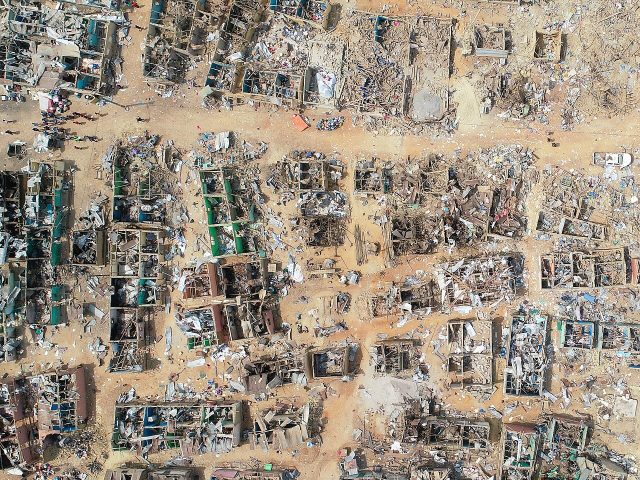
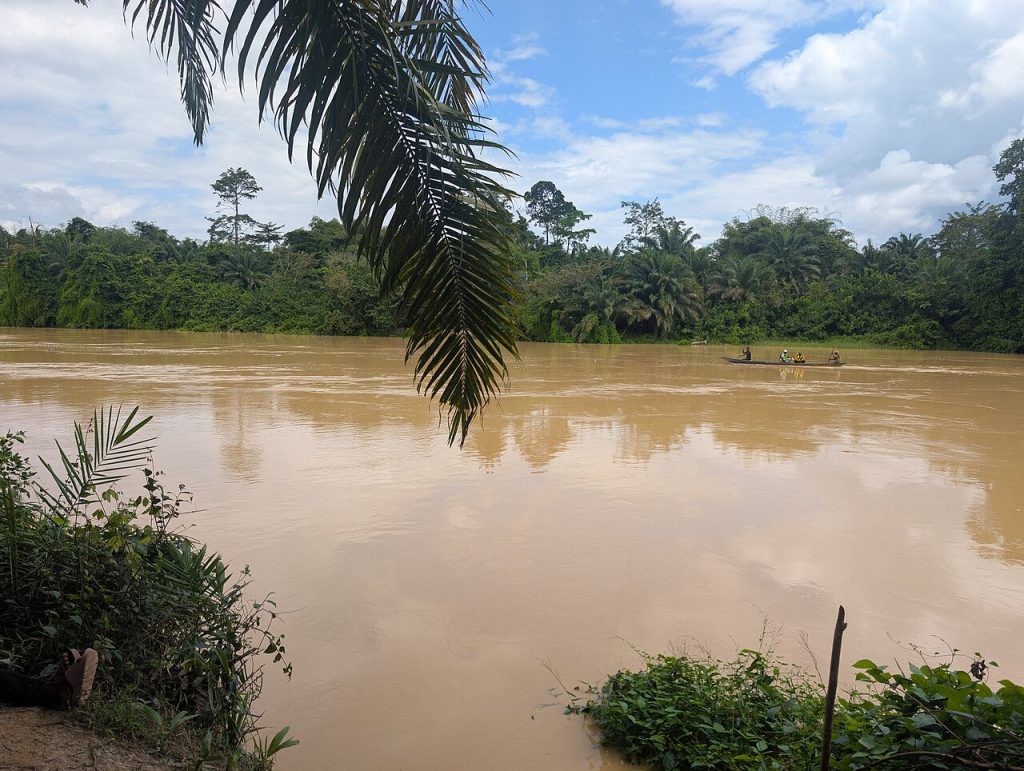
The rivers had turned brown. Water treatment plants struggled to clean the water, and farmers watched cocoa farms disappear into mining pits. In September 2024, frustration over galamsey, illegal small-scale mining, spilled onto the streets of Accra. Protesters marched under the slogan #StopGalamseyNow, and their arrests sparked even wider anger. Within weeks, the issue had become one of the most debated in the run-up to the December elections.
Galamsey, rivers and the protests
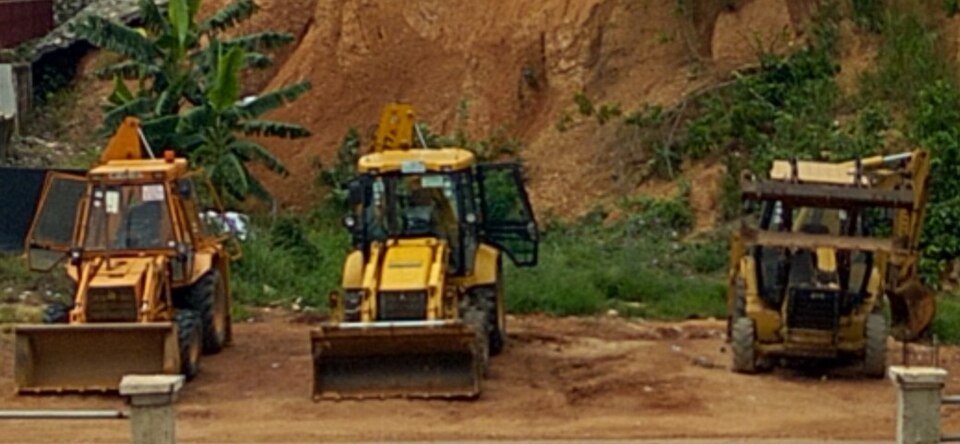
Galamsey refers to illegal small-scale gold mining, often using excavators, mercury and other chemicals. It has spread across mining regions, including in forest reserves and along rivers. Rivers such as the Pra, Ankobra, Birim and Offin have been heavily polluted, raising treatment costs and threatening drinking water supplies. In September 2024, a protest organised by the group Democracy Hub and others took place in Accra. Police arrested a number of protesters.
The arrests drew criticism from civil society groups, churches and the public, and more people joined calls for action.
Labour, Ghana Water and the government
Organised Labour, representing major unions, threatened a nationwide strike if the government did not act more firmly against illegal mining. The water utility warned that pollution was making it difficult and expensive to treat water in some areas. The government defended its record and announced measures, while critics said enforcement had been weak and politically connected people were involved.
Regulations allowing mining in some forest reserves became a target of protesters, who demanded their repeal. Galamsey became a major issue in the December 2024 elections, with parties promising action. Mercury and other chemicals used in mining pose risks to health and food safety.
Livelihoods, cocoa and military operations
Many young people depend on galamsey for income, which complicates efforts to stop it. Galamsey has destroyed cocoa farms in parts of the Ashanti, Eastern and Western regions, threatening a crop that is central to Ghana’s economy. Some farmers sold their land to miners, while others had it taken over. Foreign nationals, including Chinese miners, have been arrested over illegal mining in past crackdowns.
Previous governments used military taskforces against galamsey, with mixed results. The protesters of September 2024 did not end galamsey. They did make sure that no politician running that year could ignore the colour of Ghana’s rivers.