Tesla plans to start selling its Cybercab robotaxis to the public by the end of 2026, according to Lars Moravy, Tesla’s vice president of vehicle engineering. The announcement came during a call on Wednesday following Tesla’s third-quarter earnings report.
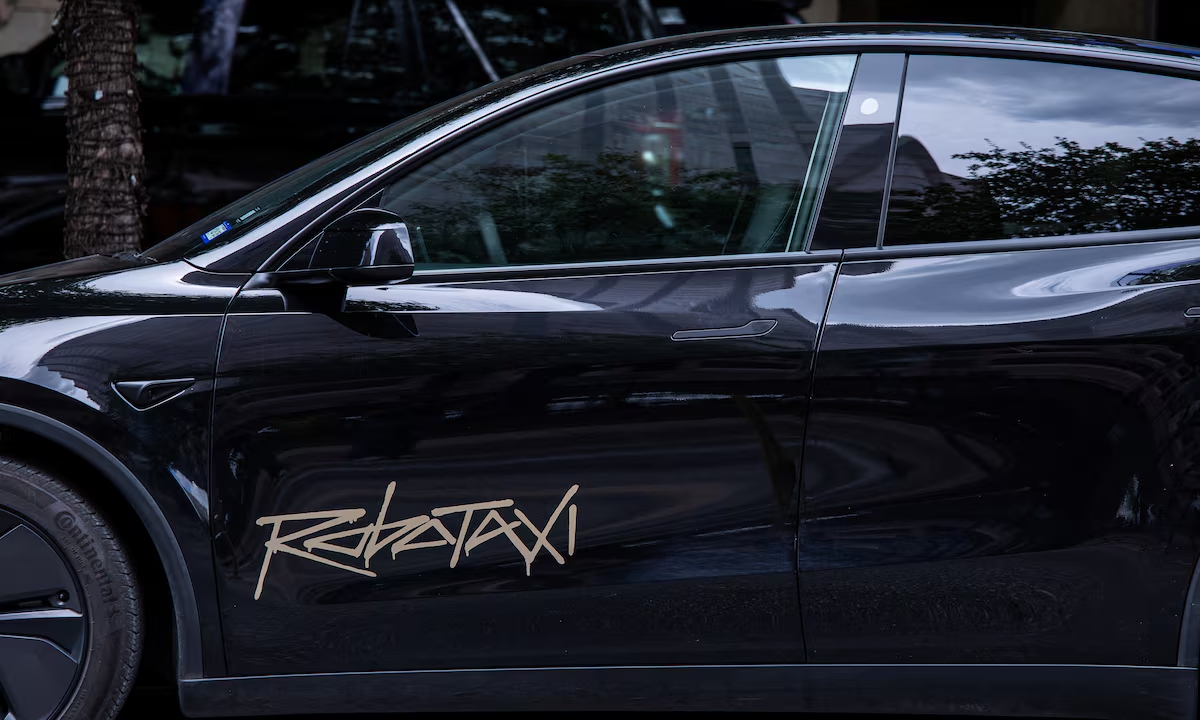
The Cybercab is a two-seater electric vehicle without a steering wheel, pedals, or mirrors. Its gold-colored body features butterfly doors, and it drives itself. CEO Elon Musk has positioned the Cybercab as a key element in Tesla’s ambition to shift from being just an electric car manufacturer to a company focused on artificial intelligence and robotics.
Moravy told analysts, “As Tesla grows, we’ll mainly deliver fully designed autonomous vehicles to our customers and Cybercabs will be the first.” He added, “We’re trying to get Cybercabs to customers by the end of this year, 2026. As we start small this year, and we learn about delivery and ownership and fleet management of autonomous vehicles in customer hands, we’ll continue to scale that.”
The Cybercab’s public debut began last month in Austin, Texas, where Tesla started offering paid rides on a small fleet of the vehicles. The launch drew attention from fans and social media influencers, but also scrutiny from the National Highway Traffic Safety Administration (NHTSA). Hours after the rides began, NHTSA announced an investigation into how Tesla certified the Cybercabs as compliant with federal vehicle safety rules.
Federal regulations require manual controls such as steering wheels and pedals, which the Cybercab lacks. These rules, written decades ago for human-driven vehicles, present a legal challenge for Tesla’s robotaxis. Unlike many countries where new vehicle models must receive regulatory approval before hitting roads, US automakers can self-certify compliance with federal standards and deploy vehicles publicly.
NHTSA declined to comment on the investigation but confirmed last month that it was reviewing Tesla’s certification process and how the company determined certain standards did not apply to the Cybercab. Tesla must respond to the agency by October 30. Meanwhile, NHTSA has proposed updating the safety regulations to accommodate autonomous vehicles without manual controls, but existing standards remain in force until any changes are finalised.
Ashok Elluswamy, Tesla’s head of AI, said on the earnings call that the company is focused on securing all regulatory approvals before scaling the Cybercab. “I think the key thing which we are trying to make sure is that we have all the regulatory approvals where we can start deploying the Cybercabs as fast as we can produce them,” he said.
Elluswamy also described the Cybercab as “one of the easiest products” for Tesla to scale in terms of manufacturing. The vehicle is part of Tesla’s broader robotaxi network, which currently includes autonomous Model Ys with human safety drivers. Tesla intends for the Cybercab to eventually become the primary driverless vehicle model within its robotaxi fleet.
The company plans to expand the Cybercab service to Dallas next month, Elluswamy confirmed. Musk has said the vehicles will mostly remain Tesla-owned and operate within its ride-hailing service rather than being sold widely to individual customers.
Tesla’s push comes amid growing competition and regulatory uncertainty around autonomous vehicles in the US. The Cybercab’s design challenges existing federal rules, and the NHTSA probe is a rare example of oversight into Tesla’s self-certification process. The October 30 deadline for Tesla’s response to the agency will offer a clearer picture of how the company plans to navigate those rules while launching its robotaxi service.
According to Joy Online.