

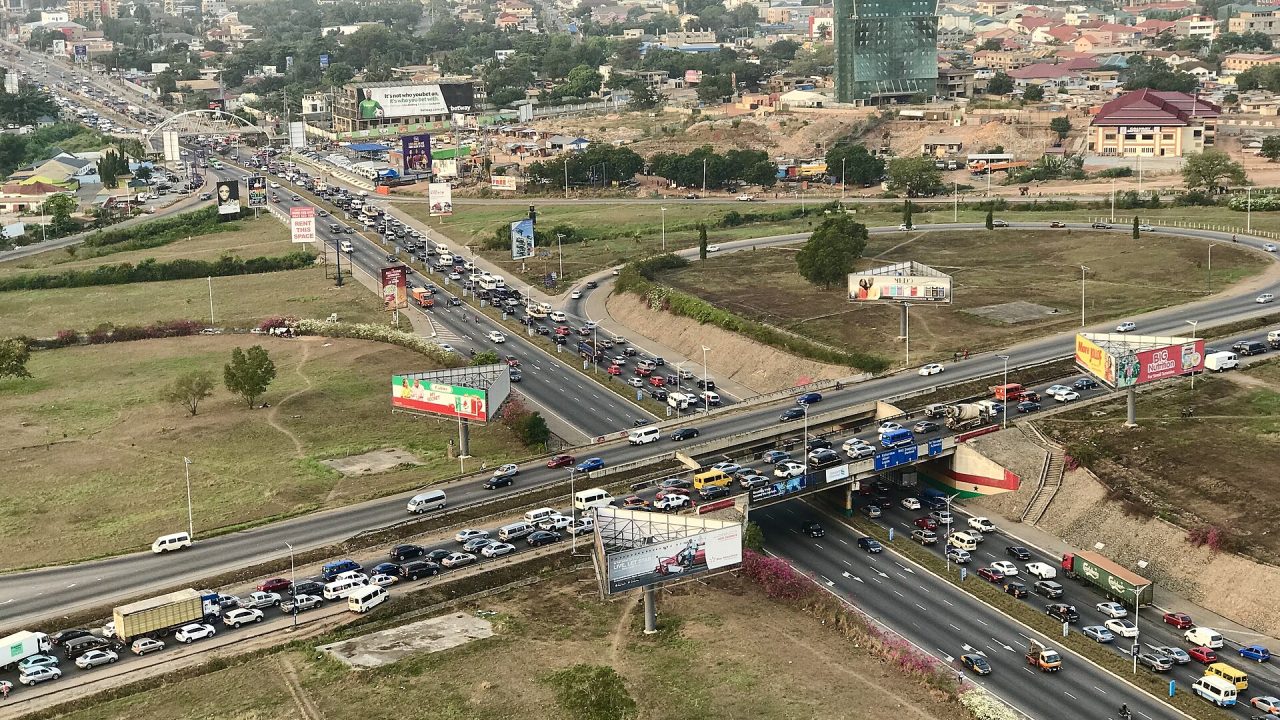
Thousands of drivers pass through the Tetteh Quarshie Interchange in Accra every hour. Few of them know that the man it is named after changed the Ghanaian economy with a handful of seeds.
Tetteh Quarshie was a Ga blacksmith who worked on the island of Fernando Po, now Bioko, in Equatorial Guinea, where cocoa was grown on plantations. In 1879 he returned to the Gold Coast with cocoa pods and planted them on a farm at Mampong in the Akuapem hills. From that farm, cocoa spread across southern Ghana.
From one farm to the world
Tetteh Quarshie’s seedlings proved well suited to the forest regions of the Gold Coast. Farmers bought pods and seedlings from him and started their own farms. Cocoa spread through the Eastern Region, then to Ashanti and beyond. By the early twentieth century, the Gold Coast had become the world’s leading cocoa producer, a position it held for decades.
Missionaries and the colonial government also promoted cocoa, and the Basel Mission and the Aburi Botanical Gardens distributed seedlings. But Tetteh Quarshie is remembered in Ghana as the pioneer who started it.
The farm that still stands
The farm at Mampong, known as the Tetteh Quarshie Cocoa Farm, is a heritage site. Visitors can see cocoa trees on the site where the first seeds were planted and learn about the history of the crop. A memorial hospital in Mampong also carries his name.
Cocoa and Ghana
Cocoa has been central to Ghana’s economy for more than a century. It funded colonial administration, paid for much of the independence-era development and still earns large amounts of foreign exchange. Millions of Ghanaians depend on it as farmers, labourers, traders and processors.
The Ghana Cocoa Board, COCOBOD, regulates the industry, buys beans from farmers at a set price and markets them abroad. In 2026 it opted for domestic funding to finance the purchase of the 2026/2027 crop, a sign of the continuing changes in how the industry is run.
Challenges
Today, Ghanaian cocoa faces serious problems: ageing trees, the swollen shoot virus, illegal mining destroying farmland, smuggling to neighbouring countries and the effects of climate change. Côte d’Ivoire has long overtaken Ghana as the world’s biggest producer, and recent seasons have seen falling output.
The interchange
The Tetteh Quarshie Interchange, near Accra Mall on the Tema Motorway, is one of the city’s most important road junctions. Naming it after him put his name into the daily vocabulary of every Accra driver, trotro mate and traffic reporter.
A blacksmith brought home a few pods from an island plantation. Cocoa went on to pay for much of modern Ghana, and his name is now shouted by bus conductors every morning.
.jpg)