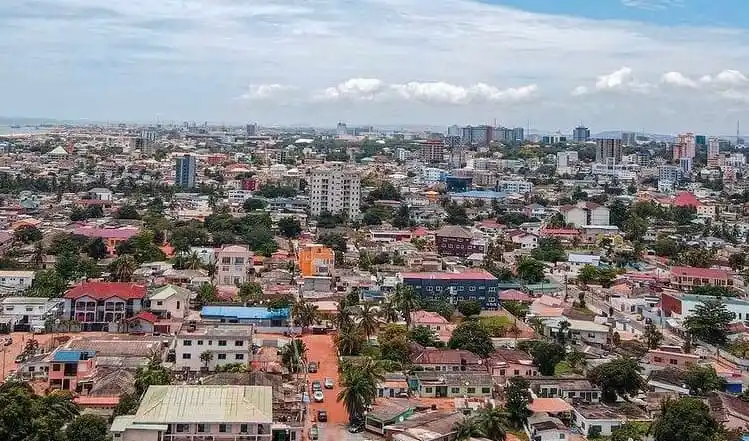
There is no single best place to live in Accra. There is the place that fits your budget, your commute, and how you like to live. A trader who works at Makola wants something different from a young professional on Spintex or a family that needs schools nearby. This is a plain look at some of the areas people ask about, and what each one trades off.
Start with the commute, not the address
Before you fall for a neighbourhood, work out how you will get to your job and what that journey costs you in time and money every day. Accra traffic is the tax nobody quotes you. A cheaper room an hour and a half from work in morning traffic can cost you more, in fares and in lost hours, than a pricier one closer in.
So the first question is not which area is nicest. It is where you need to be most days, and which areas put you within a sane trip of it.
The central and established areas
Areas like East Legon, Cantonments, Airport Residential, Labone, and Osu sit among the more sought-after and more expensive parts of the city, closer to offices, embassies, restaurants, and good roads. Rents here run high, and the advance demanded can be steep. They suit people whose work or life is centred in that part of town and who can carry the cost.
Osu and Labone put you near nightlife, shops, and the sea. Cantonments and Airport Residential are quieter and more residential. All of them cut your commute if you work in the central business district or the airport area.
The growing suburbs
Spintex, Teshie, Nungua, Sakumono, and the stretch out toward Tema have grown fast and offer more space and newer housing for less than the prime central areas, which is why so many young families and professionals have moved there. The trade-off is the commute: the Spintex road and the Tema motorway carry heavy traffic at peak times, so the same distance can take very different amounts of time depending on the hour.
To the north and west, areas like Achimota, Dome, Kwabenya, Amasaman, Kasoa, and the Ofankor direction give you more house for your money the further out you go, at the cost of a longer trip in. Many people accept that trade to own or rent something bigger.
What to weigh beyond rent
Rent is only part of the cost of a place. Before you commit, look at:
- Water and electricity. Ask whether the area has a steady supply or relies on tanker water, and whether the meter is prepaid.
- Flooding. Some low-lying parts of Accra flood in the rainy season. Ask neighbours what the street looks like after heavy rain.
- The daily journey. Test the actual commute at the time you would travel, not at a quiet hour.
- Everyday needs. How near are a market, a pharmacy, a clinic, and a school if you have children.
- Safety and lighting. Walk the area in the evening and see how it feels.
A place that looks good on a Sunday afternoon can feel different on a wet Monday morning with no water and a flooded road. Visit more than once, and at different times, before you pay a year’s rent.
Match the area to your life
If your work and social life sit in the centre and you can afford it, living closer in buys back your time. If you want more space and are willing to travel, the suburbs and the outer areas give you that, as long as you have measured the commute honestly. If budget is the main constraint, look along the routes that have a single, reliable trotro or bus line to where you work, so you are not paying for two changes twice a day.
The right area is the one where the rent, the commute, and the daily basics all work for the life you actually live, not the one that sounds most impressive when you tell people where you stay.