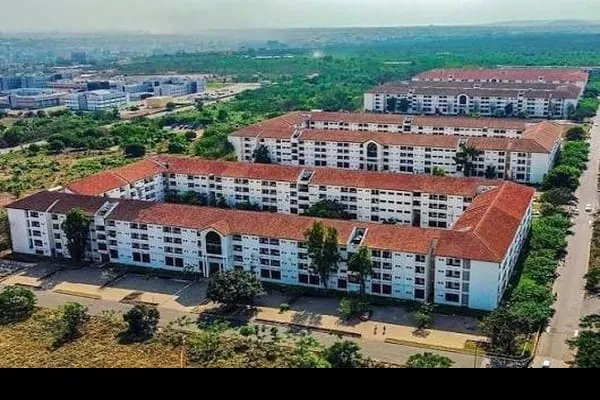
The University of Ghana Enterprise Limited (UGEL) has proposed a 26% increase in hostel fees, stirring anxiety over the rising cost of higher education in Ghana. The move comes amid ongoing debates about how much of university expenses should be borne by students and their families versus the state.
UGEL, which manages several traditional and diaspora halls on the university campus, has seen accommodation charges become a flashpoint in discussions about affordability. The increase threatens to widen the gap between students from wealthier households and those from lower-income families, who may be pushed to find cheaper, less convenient housing options or face harsher living conditions further from campus.
For many Ghanaian families, university education is the product of long-term sacrifice and a hopeful route out of poverty. Yet, the rising accommodation fees add to existing financial strains from tuition, food, transportation, and learning materials. Some parents may need to borrow money to support their wards, while others risk being unable to sustain their children's education at all.
This development raises a question of equity: should access to public university accommodation become a matter of market forces, favoring those with greater financial means? Since UGEL took over hostel management, accommodation has increasingly been treated like a commodity subject to competitive tendering, rather than a subsidized service.
The tension echoes Ghana’s history with education financing, particularly during the Structural Adjustment Programme (SAP) era. A declassified World Bank report from that period, on page 31, paragraph 84, states that subsidy costs for feeding and boarding at secondary and university levels “would be largely shifted to parents who can afford it, making the system more equitable.” That policy aimed to reduce the state’s burden while expecting financially capable families to bear more costs.
Yet the policy’s premise presumes a level of affordability that clashes with Ghana’s current economic realities. Household incomes often struggle against inflation and currency fluctuations. Shifting costs to families risks making university access contingent not only on academic merit but on financial capacity.
Ghana’s public spending on education lags behind international recommendations. The UNESCO Education 2030 framework suggests allocating around 4–6% of GDP or 15–20% of public expenditure to education. Ghana’s current allocation is about 3.1%, underscoring a funding gap that pressures universities to seek alternative revenue, including higher fees.
UGEL says it faces operational costs such as maintenance, utilities, and infrastructure investment. These expenses require transparency to ensure fee hikes are justified and reflect actual services provided. Students deserve clear explanations of any increases, consultation before changes, and evidence that charges align with reasonable costs.
The dispute over hostel fees touches on broader questions about the role of private enterprise in public education and the balance between financial sustainability and equitable access. Some argue that without adequate public funding, universities must recover costs through fees. Others warn this risks excluding talented students from disadvantaged backgrounds.
The University of Ghana and policymakers must wrestle with these issues. Potential measures include transparent fee setting, targeted financial aid for disadvantaged students, and financing models that distribute costs more fairly.
The hostel fee hike controversy is not simply about numbers on a bill. It reflects ongoing struggles over who should bear the cost of building Ghana’s human capital and whether higher education remains a ladder for social mobility or becomes increasingly gated by wealth.
According to 3News.