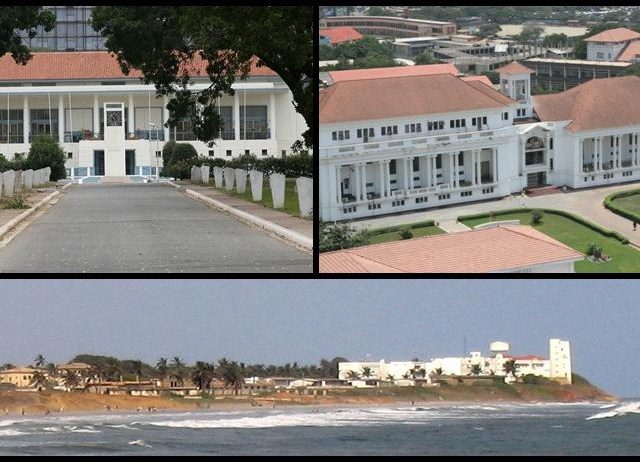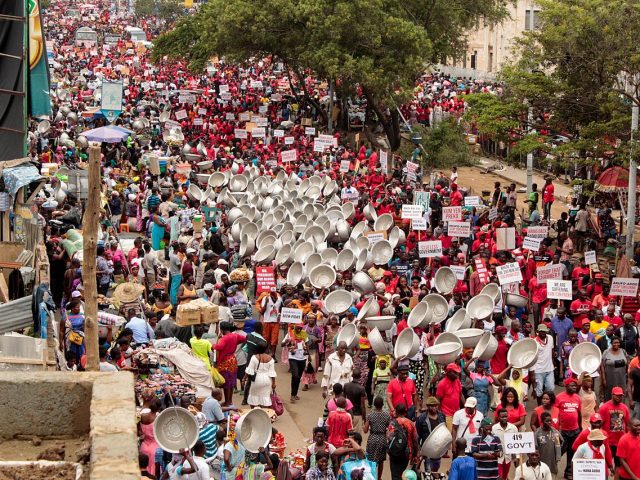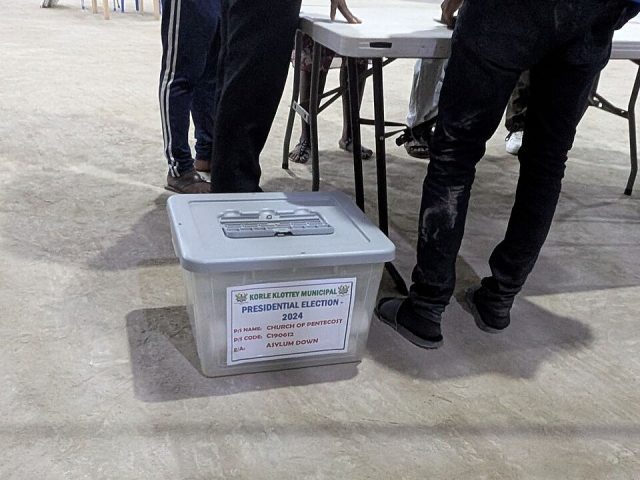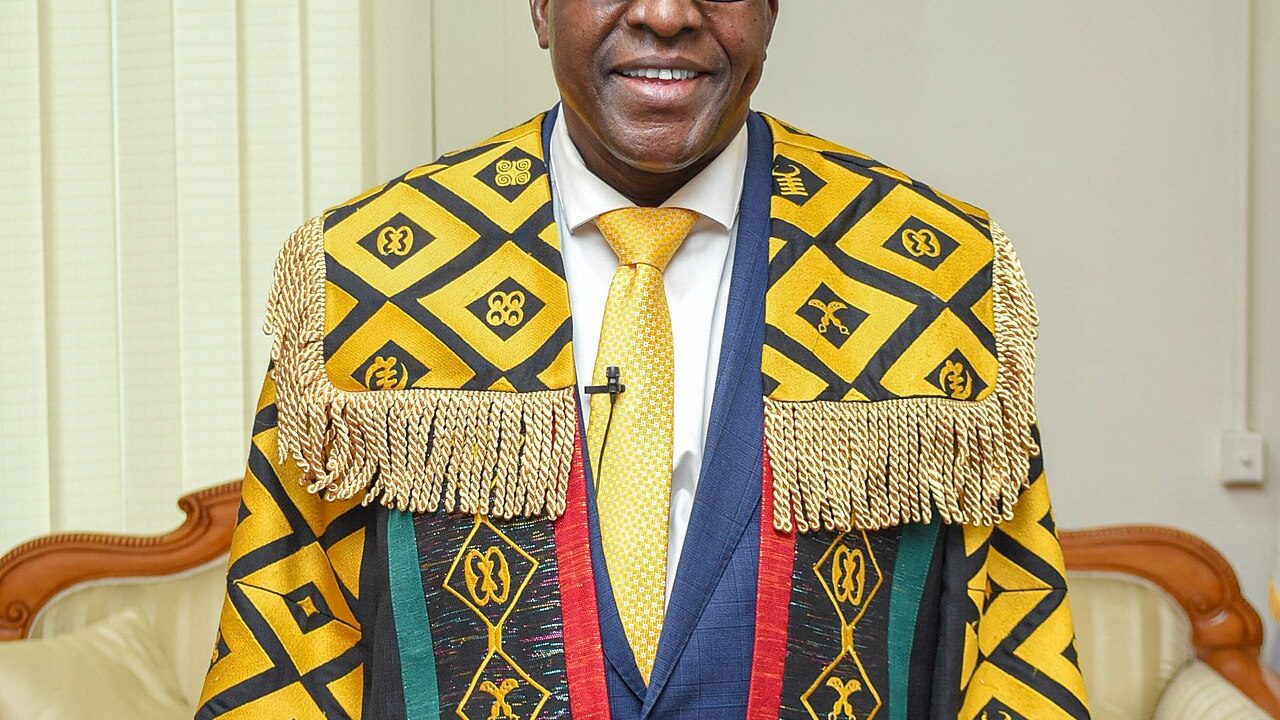
In October 2024, two months before a general election, Ghana’s Parliament ground to a halt. Speaker Alban Bagbin had ruled that four seats were vacant because their MPs intended to stand in the coming election under a different party or as independents. The ruling would have shifted the balance of power in the House. The majority leader went straight to the Supreme Court, and the dispute became one of the biggest constitutional clashes of the year.
The constitutional question
Article 97 of the 1992 Constitution says an MP must vacate their seat if they leave the party on whose ticket they were elected to join another party, or if they were elected as an independent and join a party. The question was whether filing to contest the next election under a different banner triggered that rule while the current Parliament was still sitting.
The Speaker's ruling and the court
On 17 October 2024, the Speaker declared the four seats vacant. Two had been elected on the New Patriotic Party ticket, one on the National Democratic Congress ticket and one as an independent, and all had filed to contest the December election under a different banner. Majority Leader Alexander Afenyo-Markin filed a case at the Supreme Court challenging the ruling. The court quickly granted a stay of the Speaker’s decision, pending a full hearing.
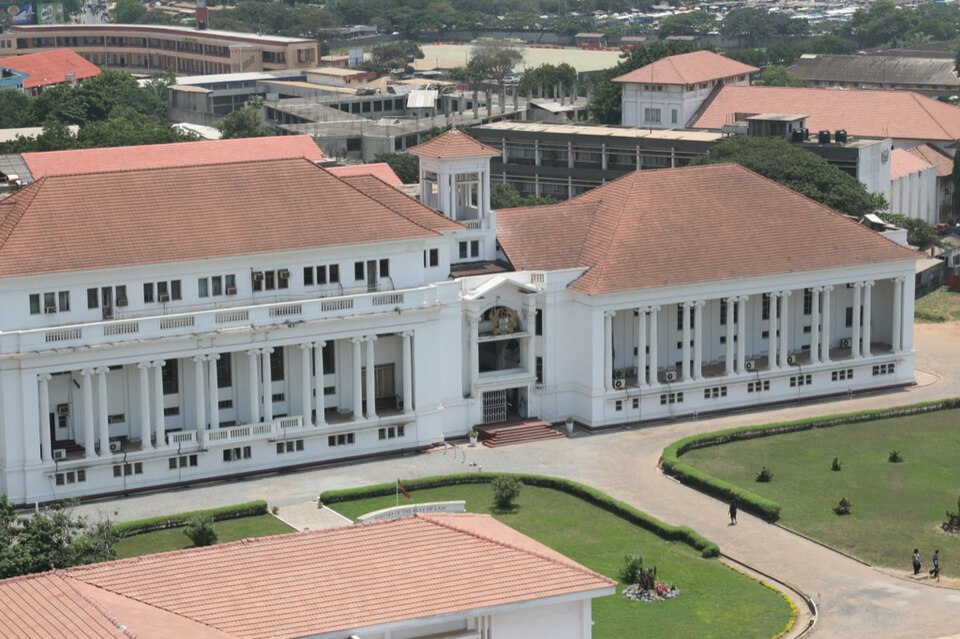
Adjournment, the final ruling and reactions
The dispute led to scenes in the chamber, with both sides claiming the majority. The Speaker adjourned Parliament indefinitely, delaying government business. In November 2024, the Supreme Court ruled by a majority that the Speaker’s declaration was wrong, holding that the provision applied to an MP’s conduct within the current Parliament, not plans for the next one.
Supporters of the ruling said it protected MPs’ right to plan their political futures. Critics, including the Speaker’s camp, argued that the court had intruded on Parliament’s internal affairs.
The election and lessons
The December 2024 election produced a large NDC majority, making the dispute less important for the next Parliament. But the case left a precedent on how Article 97 is read. The episode showed how a close balance in Parliament can turn a technical constitutional question into a political crisis. The four MPs at the centre of the dispute kept their seats for the last weeks of the old Parliament. The argument over who had the majority ended only when voters chose a new one.