The Volta River Authority was created to build one dam. In 1961, Ghana’s Parliament passed the Volta River Development Act, establishing the authority that would construct Akosombo and manage the electricity it produced. More than six decades later, VRA remains one of the country’s largest power producers.
The Volta River Project
The idea of damming the Volta River for power and aluminium smelting dated back to the colonial era. Kwame Nkrumah made it a central part of his plans for industrialisation. The project depended on an agreement with the Volta Aluminium Company (VALCO), owned by American firms, which would buy much of the power.
Creation of VRA
The Volta River Development Act of 1961 created VRA to plan, build and operate the dam and transmission system. The authority was given broad responsibilities for generating and transmitting power, as well as for the communities affected by the project.
Akosombo
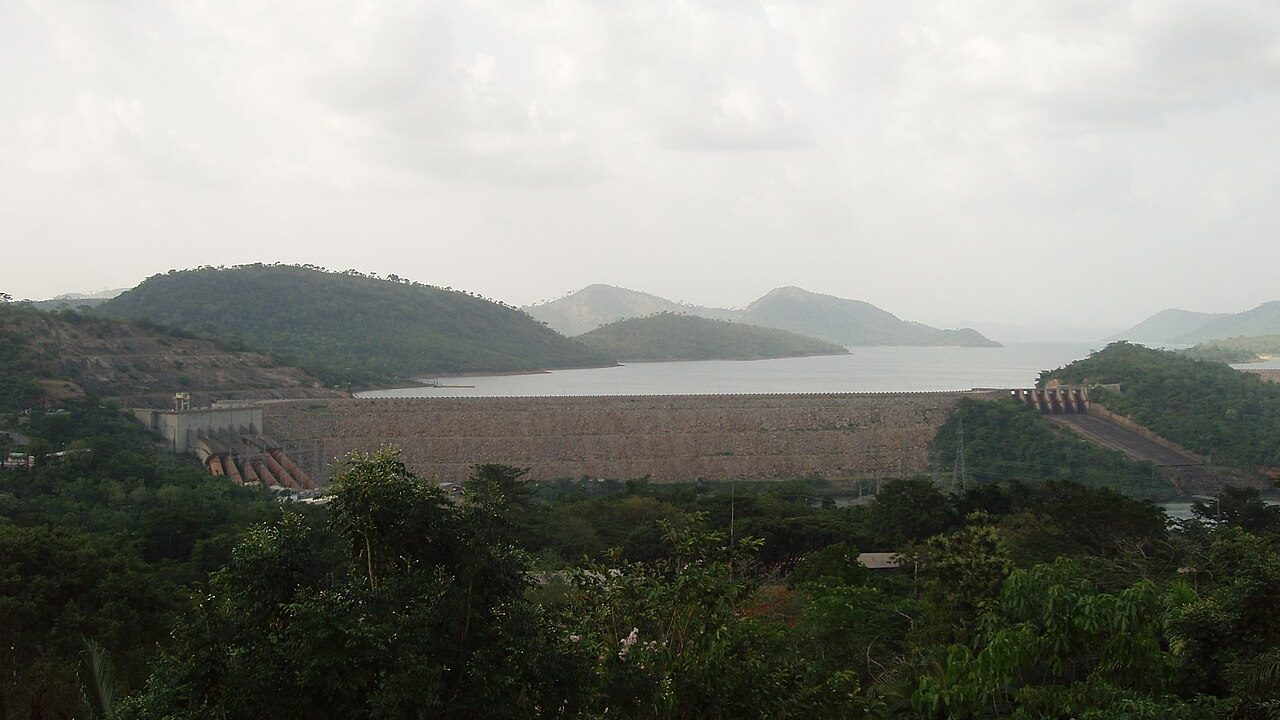
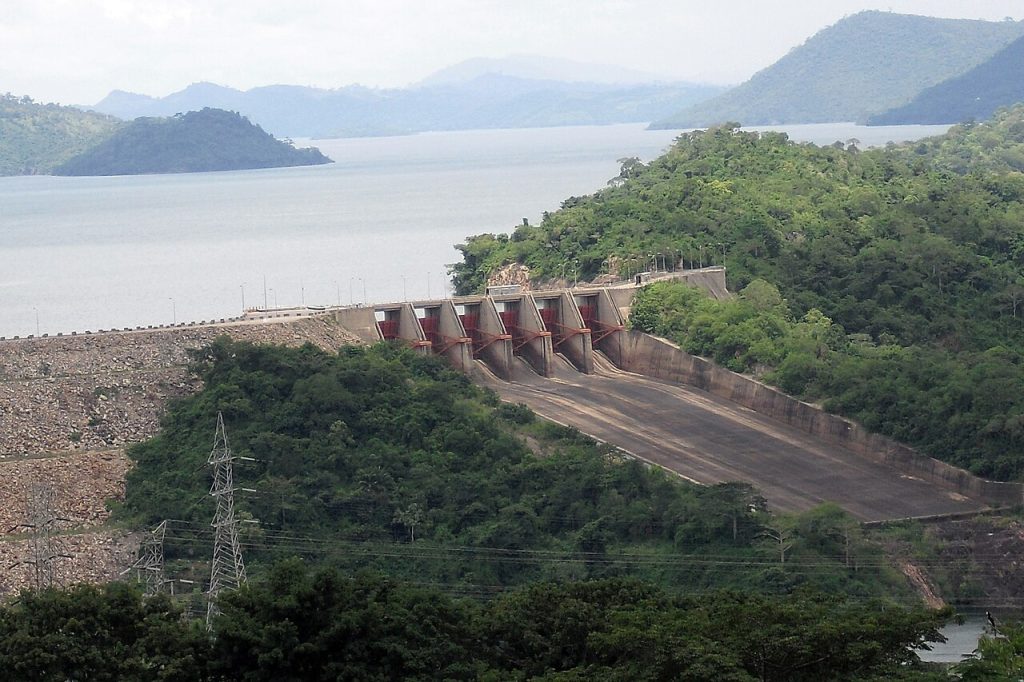
The Akosombo Dam was completed in the mid-1960s, creating Lake Volta, one of the world’s largest artificial lakes. Nkrumah inaugurated the project in January 1966, weeks before he was overthrown.
Resettlement
The lake flooded hundreds of villages, and about 80,000 people were resettled. VRA built new towns, but many resettled communities complained of poor land and broken promises.
Kpong
VRA later built the Kpong hydroelectric plant downstream of Akosombo, completed in the 1980s. The authority also expanded into thermal power plants at Aboadze near Takoradi and elsewhere.
Exporting power
VRA has exported electricity to neighbouring countries, including Togo and Benin, making Ghana a regional power supplier.
Restructuring
Under power sector reforms, VRA’s transmission functions were moved to the Ghana Grid Company (GRIDCo), created in 2008, leaving VRA as mainly a generator.
Challenges
Low water levels in Lake Volta have at times reduced hydro output, contributing to power shortages. VRA has also faced debts owed by distribution companies and the state. In 2023, controlled spillage from Akosombo flooded communities downstream.
Legacy
VRA’s dams powered Ghana’s industrialisation and provided cheap electricity for decades. The costs, borne largely by resettled communities, are still debated.
Communities by the lake
Lake Volta also created new livelihoods. Fishing communities grew along its shores, and lake transport links towns in the Volta, Eastern and Northern regions. Those communities depend on VRA’s decisions about water levels, which affect fishing grounds and ferry routes.
One river shaped Ghana’s electricity system. The authority built to manage it is still trying to balance the demands of the grid against the needs of the people who live by the water.