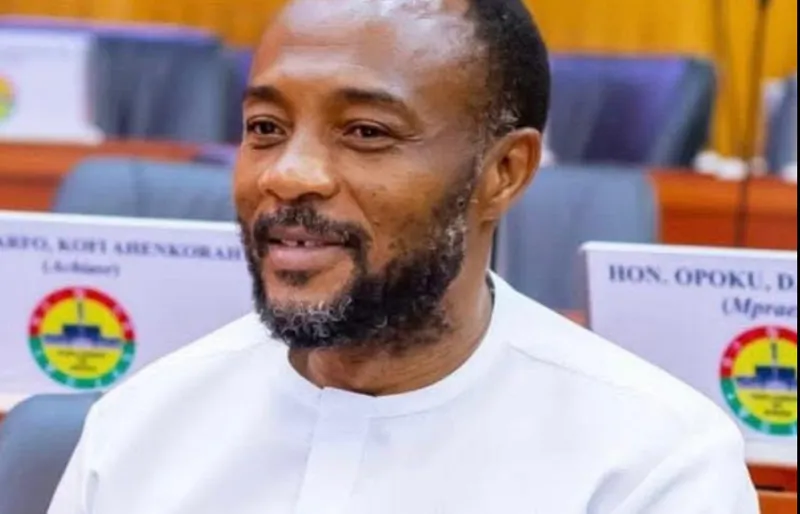
The repeated cocaine busts in Ghana are not just isolated incidents, but signs of deeper problems with the country’s border security and institutional oversight, the Minority in Parliament has said. Jerry Ahmed Shaib, the Second Deputy Minority Whip and MP for Weija-Gbawe, called for a parliamentary investigation focused on institutional accountability during an interview on TV3’s Hot Issues on Sunday, September 27.
Shaib said the Minority’s demand is about finding lasting solutions to stop the rise in cocaine trafficking. “The view of the Minority is to a larger extent of having a solution to this problem. It has become a menace, become consistent, become too many,” he said. He added that the focus should be on how to secure Ghana’s borders and repair the country’s reputation.
The MP emphasised that the call for investigation is not limited to recent cocaine cases. He said the Minority is open to examining older incidents from 2010, 2012, and 2016 if necessary. “I don’t think that we are limited. It does not take away any interest in bringing in 2010, 2012, 2016. It doesn’t,” he explained. “There is no estoppel whatsoever. We are asking for institutional accountability, we are asking for public safety.”
Shaib said the repeated drug busts have damaged Ghana’s reputation internationally. He called for measures that would restore public trust and ensure Ghanaians know their country is taking drug trafficking seriously. “We are asking for our reputation that has been seriously damaged to be repaired. We are asking for structures to be put in place for Ghanaians to know that this is our Ghana,” he said.
Strengthening institutional systems and border security, Shaib added, will be critical to preventing future incidents and ensuring Ghana can effectively combat narcotics trafficking.
Recent cocaine busts have attracted attention for the size of the shipments seized and the frequency of such occurrences. Authorities have intercepted large quantities at ports and on flights, raising questions about how traffickers continue to exploit weaknesses.
The Minority’s push for a parliamentary probe comes amid growing public concern about the effectiveness of Ghana’s security agencies in stopping drug smuggling. Shaib’s call aims to hold the institutions responsible to account and push for reforms that would stop the flow of narcotics.
The Weija-Gbawe MP’s remarks underscore the urgency with which the opposition views this issue. They want a deeper look into the structures charged with protecting the country’s borders, not just a focus on individuals caught.
Ghana has faced several high-profile drug busts in recent years. The government has responded with arrests and promises to tighten security. But the recurring nature of these cases suggests systemic problems remain.
Shaib’s insistence on broadening the probe to past cases shows a determination to understand how the trafficking networks have operated over time and what failures in governance allowed them to continue.
The call for institutional accountability goes beyond politics. It points to a need for stronger border controls, better coordination among security agencies, and more transparent systems that prevent corruption and negligence.
With Ghana’s reputation at stake, the Minority wants parliament to act swiftly and thoroughly. They argue that only by addressing the root causes can the country protect its citizens and maintain international standing.
The question now is how the government will respond to this demand for a wider investigation and what steps it will take to prevent the drug trade from flourishing again.
According to 3News.