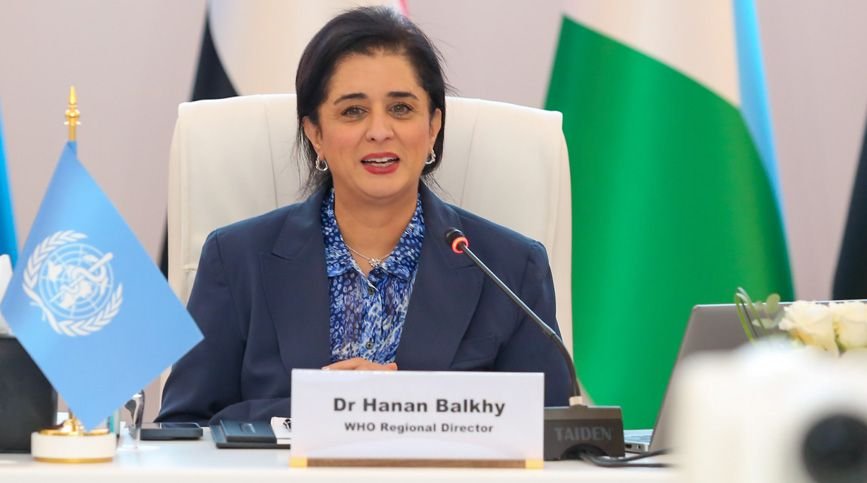
The World Health Organization (WHO) has sounded an alarm on the growing threat of cyberattacks on Ghana's healthcare system. These attacks, which have already put patients' lives at risk worldwide, pose a significant danger to Ghanaian patients.
Cyber Threats to Ghana's Healthcare
An alarming surge in ransomware attacks is putting the world's healthcare infrastructure at critical risk, endangering patient safety and destabilizing health systems, according to the WHO. This threat is not limited to Ghana, but the country's healthcare system is particularly vulnerable due to its low cybersecurity maturity.
The WHO has warned that ransomware and other cyberattacks on hospitals and other health facilities can be issues of life and death. This is a stark reminder of the importance of investing in cybersecurity to ensure safer and more reliable health services.
Ghana's Vulnerability to Cyberattacks
Ghana's healthcare sector has been identified as being at risk of increased cyberattacks. In 2020, Dr. Albert Antwi-Boasiako, Director-General of the Cyber Security Authority (CSA), warned that Ghana stands at risk of increased attacks. This warning was made during the National Cybersecurity Awareness Week at the Komfo Anokye Teaching Hospital (KATH).
The University of Ghana Medical Centre, which is a fully digitalized institution, is vulnerable to cyberattacks due to patient data, hospital systems, and availability of health services. This highlights the need for the country to take cybersecurity seriously, particularly in the healthcare sector.
The Risks of Cyberattacks on Healthcare
Cyberattacks on healthcare facilities can have severe consequences, including the diversion of ambulances and the disruption of critical services. In 2017, the WannaCry ransomware attack put patients' lives at risk after ambulances were diverted and medical services were disrupted.
The Ghanaian healthcare sector must take immediate action to mitigate these risks. This includes investing in cybersecurity measures, such as training healthcare staff on basic cybersecurity and ensuring adherence to regulations. The country must also heighten staff awareness of cybersecurity threats and ensure that healthcare facilities are equipped to handle cyberattacks.
The Way Forward
The WHO's warning on the growing threat of cyberattacks on healthcare systems is a wake-up call for Ghana's healthcare sector. The country must take immediate action to protect its patients and healthcare facilities from these threats. This includes investing in cybersecurity measures, training healthcare staff, and ensuring that healthcare facilities are equipped to handle cyberattacks. Only then can the country ensure safer and more reliable health services for its citizens.
The Ghanaian government and healthcare authorities must work together to address this growing threat. This includes collaborating with international organizations, such as the WHO, to share best practices and expertise in cybersecurity. By working together, Ghana can protect its patients and healthcare facilities from the growing threat of cyberattacks.
The consequences of inaction are too severe to ignore. Ghana's healthcare sector must take immediate action to mitigate the risks of cyberattacks. Only then can the country ensure that its patients receive the safe and reliable healthcare services they deserve.
Source: 3News