In a rare instance of good news, Ghana's inflation rate has dipped to a mere 0.1% between June and July 2026, down from 0.2% in June. However, this modest victory comes with a catch: many Ghanaians are still struggling to pay their bills.
Lower Inflation, Higher Bills
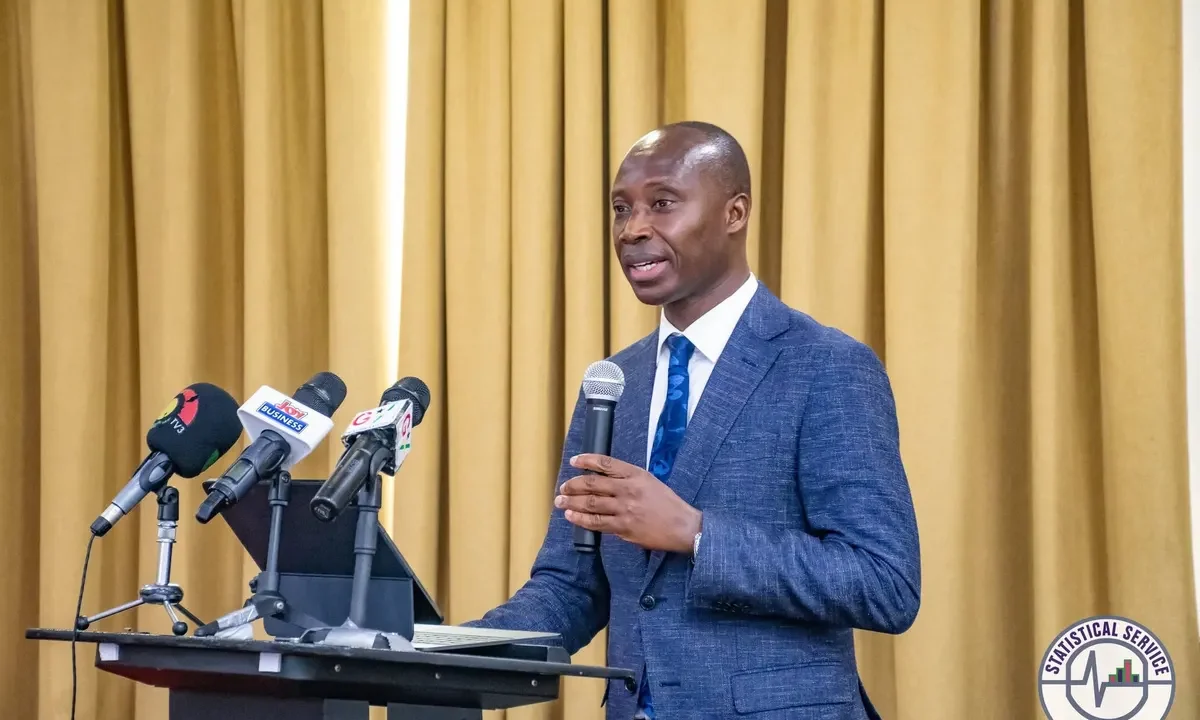
The government's statistician, who has not been named in the source material, would need to be consulted to explain this paradox. However, it's worth noting that inflation rates around 2% are often associated with good economic performance, according to the Cleveland Fed.
The Catch: Higher Interest Rates
Higher interest rates can affect inflation, as explained by the Bank of Canada. When interest rates rise, borrowing becomes more expensive, and people tend to spend less, which can lead to lower inflation. However, this doesn't seem to be the case in Ghana, where inflation has decreased but bills remain high.
The Government's Perspective
The government's approach to calculating inflation has been updated, as explained by Dr. Erica Groshen, a senior economics advisor at the Cornell University School of Industrial and Labor Relations. She emphasized the importance of public goods, like statistics, which are paid for together because they benefit everyone.
What's Next for Ghanaians?
The decrease in inflation is a welcome relief, but the high bills remain a concern for many Ghanaians. As the government continues to update its approach to calculating inflation, it's essential to understand the implications of these changes on the economy and everyday life. Only time will tell if this modest victory will translate into tangible benefits for the people of Ghana.
Source: 3News