Organised labour has expressed support for the proposed Independent Public Emoluments Commission (IPEC), while calling for its continuous involvement in the process of establishing the new public sector compensation body. The call was made at a two-day stakeholder engagement organised by the Fair Wages and Salaries Commission (FWSC) to gather labour's views on the proposed legislation for IPEC.
Labour's Involvement Crucial for Success
The engagement, held under the theme "Towards an Independent, Equitable, and Sustainable Compensation System: Stakeholders' Perspectives on Ghana's Public Sector Pay Reforms," aimed at incorporating the views of organised labour into the draft IPEC Bill. The proposed commission is expected to provide a new framework for determining and managing public sector compensation, with emphasis on fairness, transparency, and fiscal sustainability.
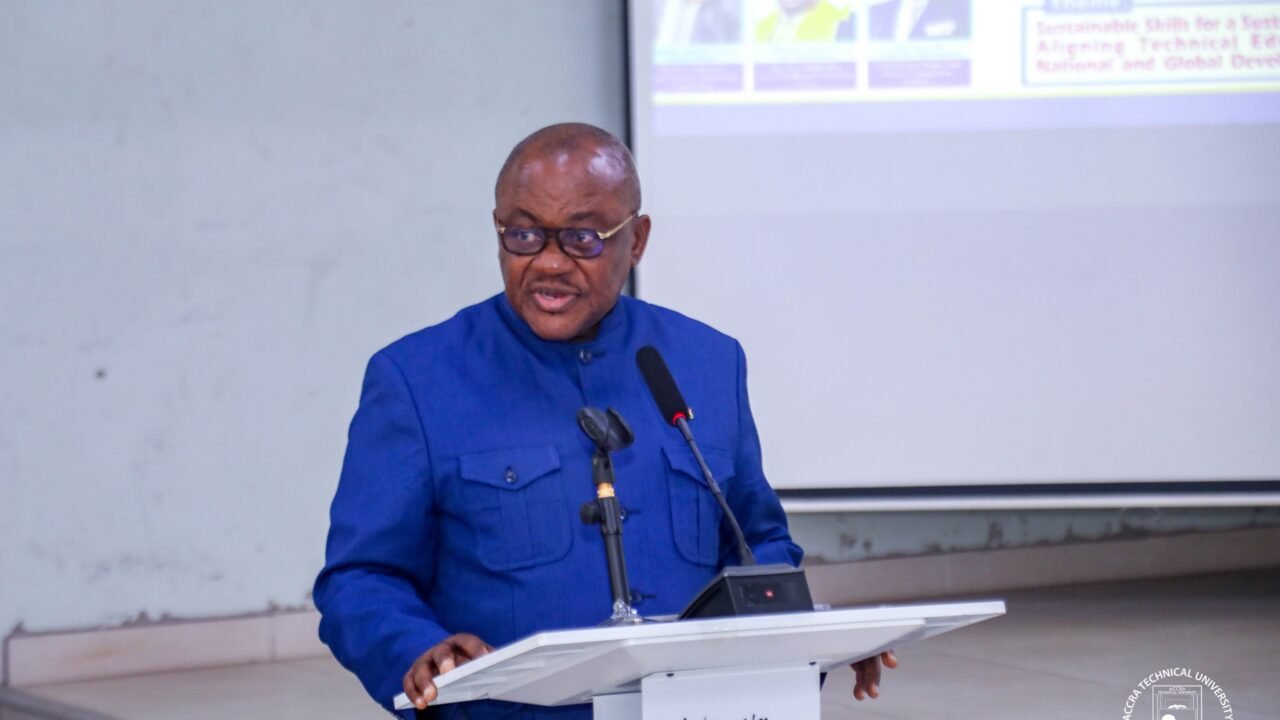
The Chief Executive of the FWSC, Dr George Smith-Graham, stressed the importance of labour's participation in shaping the proposed legislation. "Government needs Organised Labour," he said. "We do not want you to see yourselves as merely invited to comment on somebody else's Bill."
A Comprehensive Review Needed
The Secretary-General of the Trades Union Congress (TUC), Joshua Ansah, gave the assurance on behalf of organised labour. However, he urged the government to maintain the involvement of organised labour throughout the process, saying continuous participation would help build broader ownership of the new system. "No half-hearted approach," he cautioned. "We must have people who start the process from the beginning and end it properly—not start halfway through only to tell a different story."
A New Framework for Public Sector Compensation
The proposed IPEC is expected to replace the existing Act 737, which governs the FWSC. The new framework will have long-term implications for Ghana's public service and, therefore, needs to be designed with the future in mind. The stakeholder engagement brought together more than 50 labour organisations, including the TUC, Ghana Federation of Labour (GFL), Civil and Local Government Staff Association, Ghana (CLOGSAG), University Teachers Association of Ghana (UTAG), and Ghana Registered Nurses and Midwives Association (GRNMA).
The engagement is expected to contribute to the drafting of the IPEC Bill before it is presented to Parliament for consideration. Organised labour has pledged to support the establishment of IPEC and participate actively in the development of the proposed compensation framework. The success of the new framework will depend on the continuous involvement of labour in the process.
Source: Joy Online