In West Africa, only 16% of health facilities in Ghana met basic sanitation standards in 2025, according to a new assessment by the World Health Organization (WHO) and UNICEF. The findings reveal a stark reality, with many facilities lacking even the most basic amenities, leaving patients to face the humiliation of poor sanitation.
Sanitation Crisis in Ghana's Health Facilities
In Ghana, only 16% of health facilities met the basic sanitation standard in 2025. This means that roughly five in every six health facilities fell short of the full standard. The figure is also below the 23% recorded for sub-Saharan Africa and well below the 40% global level.
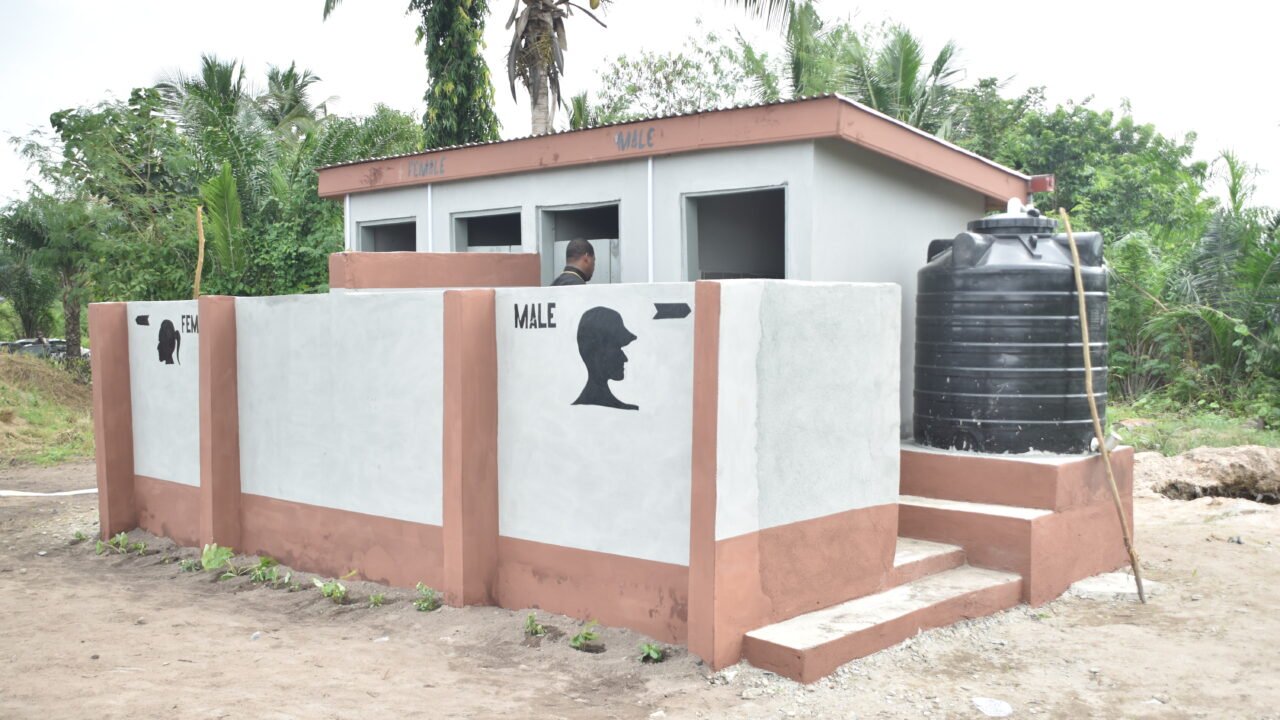
Sanitation is a critical aspect of healthcare, and the lack of basic facilities can make something as ordinary as using a toilet while receiving medical care a question of privacy, accessibility, and dignity. To meet the basic sanitation standard, a health facility needs improved and usable toilets, including separate facilities for men and women with provision for menstrual hygiene, and a toilet that can be used by people with limited mobility.
Water Services in Ghana's Health Facilities
Sanitation is only part of the problem. The assessment also found health facilities operating without basic water services in several West African countries. In Ghana, 65% of health facilities had basic water services in 2025, meaning water from an improved source was available on the premises.
However, the report identifies several West African countries where at least one in ten health facilities had no water service. They include Liberia, Nigeria, Côte d’Ivoire, Sierra Leone, and Guinea-Bissau. The situation was particularly difficult in Guinea, where more than half of health facilities had no water service.
Hygiene and Waste Management
The report also highlights gaps in hygiene and waste management. In Ghana, 54% of health facilities met the basic hygiene standard, which includes functional hand-hygiene facilities available at points of care with water and soap available at toilets.
However, the report identifies Nigeria, Niger, and Côte d’Ivoire among countries where at least one in ten health facilities had no hygiene service, meaning hand-hygiene facilities were missing both at points of care and near toilets. Across sub-Saharan Africa, only 34% of health facilities met the basic hygiene standard in 2025.
Another problem begins after treatment has been given. Hospitals and clinics generate used needles, contaminated materials, and other potentially infectious waste that must be separated, treated, and disposed of safely. Across sub-Saharan Africa, only 24% of health facilities met the basic waste-management standard in 2025.
The Way Forward
The report by WHO and UNICEF highlights the need for improved water, sanitation, and hygiene services in health facilities across West Africa. The situation is not unique to Ghana, but it is a stark reminder of the challenges that lie ahead.
As the region continues to grapple with the COVID-19 pandemic, it is imperative that healthcare facilities are equipped to provide basic services to patients. The lack of sanitation, water, and hygiene services can have serious consequences for public health, and it is the responsibility of governments, policymakers, and healthcare professionals to address this issue.
Source: Joy Online