Ghana has started using a new digital system to track child labour cases in sectors like agriculture, artisanal mining, and domestic work. The Ghana Child Labour Monitoring System (GCLMS) aims to improve how government officials and child protection agencies identify, document, refer, and follow up on children exposed to hazardous work.
The system is designed to work with existing child protection tools in Ghana, allowing better coordination and data sharing among agencies. This should help ensure children and their families get the support they need more quickly.
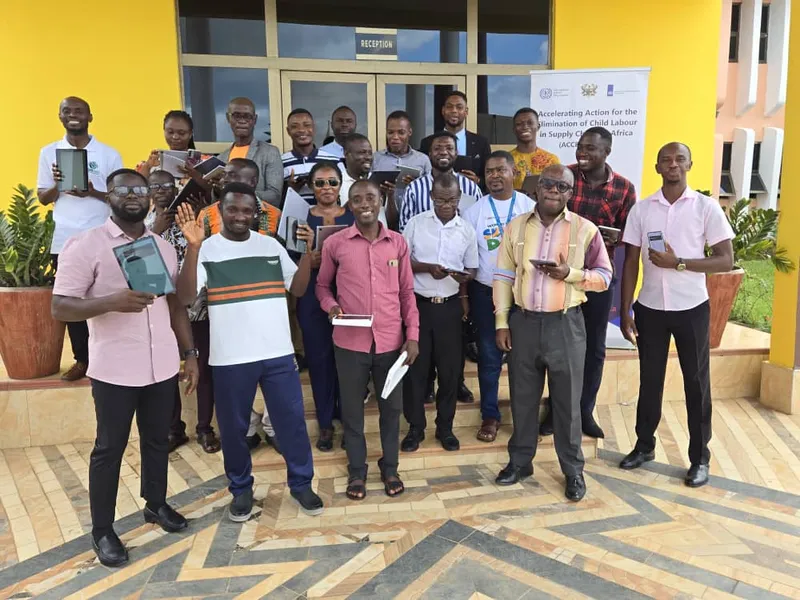
The rollout began after a four-day training in Bibiani from September 15 to 18, 2026. Regional and district stakeholders from areas covered by the ACCEL Africa project learned how to use the system. The training focused on registering cases, updating information, managing data, generating reports, and monitoring follow-up actions.
The International Labour Organization (ILO) organised the training through its ACCEL Africa Project, working with the Ministry of Labour, Jobs and Employment’s Child Labour Unit. Bismark Quartey, the National Project Coordinator for ACCEL Africa in Ghana, said the system provides “a common mechanism to document cases, understand their characteristics and underlying causes, initiate appropriate interventions and follow up on children and families receiving support.”
The GCLMS was developed with funding from the ILO and other partners, in collaboration with the Ghanaian government. It will help district and regional officers keep accurate records from the moment a case is identified until after follow-up support is provided.
Frederick Osei Agyemang, a Social Welfare Department official in Bibiani who attended the training, said the system would “improve the quality of information collected at the district level and ensure that identified cases receive appropriate support.”
The system’s ability to share information with other child labour monitoring tools should further improve how agencies work together. Stakeholders expect that better data and coordination at local levels will support quicker, evidence-based decisions and help track whether interventions reach the children and families who need help.
Child labour remains a challenge in Ghana’s informal economy. Children working in agriculture, small-scale mining, and domestic work often face dangerous conditions that threaten their safety and development. The digital system is part of broader efforts to strengthen Ghana’s response and protect children from exploitative work.
The government and partners hope that the new tool will make it easier to spot cases early, respond effectively, and monitor progress. How quickly it will impact child labour rates and improve children’s lives remains to be seen, but the system offers a new way to connect the dots between identification, referral, and follow-up.
According to 3News.