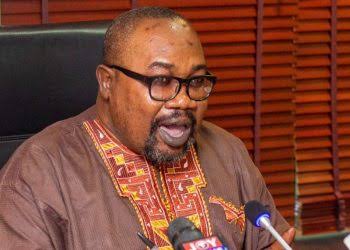
Ghana has made clear it needs more direct funding for medicines to treat tuberculosis, HIV, and malaria, rather than health aid focused heavily on training and meetings. Dr Mark Kurt Nawaane, chairman of Parliament’s Select Committee on Health, said the country cannot afford to prioritise capacity-building programmes while patients still lack access to essential drugs.
He gave figures for the proposed US health assistance showing $82.5 million set aside for capacity-building in 2025 and $53 million in 2026. But he questioned if this kind of support met Ghana’s most urgent health needs. “What we wanted was money to buy medications for TB patients and for HIV patients and for malaria patients. That’s what we needed,” Dr Nawaane said.
While he acknowledged that training health workers and organising meetings have their place, the chairman insisted these activities could not replace the medicines and commodities patients require. He warned that donor support focused on capacity-building might leave Ghana scrambling to fill a funding gap for pharmaceuticals. The estimated shortfall for medicines and related health needs stands at $74 million.
“So, in other words, they want to tell America that come again if you want to partner with us on health,” Dr Nawaane said, expressing frustration with the current terms of aid.
His comments come amid ongoing discussions over changes to US health assistance and what they mean for Ghana’s health sector. Dr Nawaane said Ghana remains open to working with the United States, but future cooperation must respond to the country’s immediate priorities. It is not just about the amount of money pledged but how the support is structured and whether it helps patients directly.
He said health partnerships should help Ghana secure essential medicines and commodities rather than creating additional financial burdens. The debate around this issue reflects broader concerns about how Ghana should manage international health partnerships going forward.
The focus now is on ensuring that aid delivers practical results for patients rather than funding activities with less direct impact on treatment availability. Dr Nawaane’s stance highlights a clear demand for assistance that closes the gap on medicine access, not one that shifts costs back onto Ghana.
According to Joy Online.