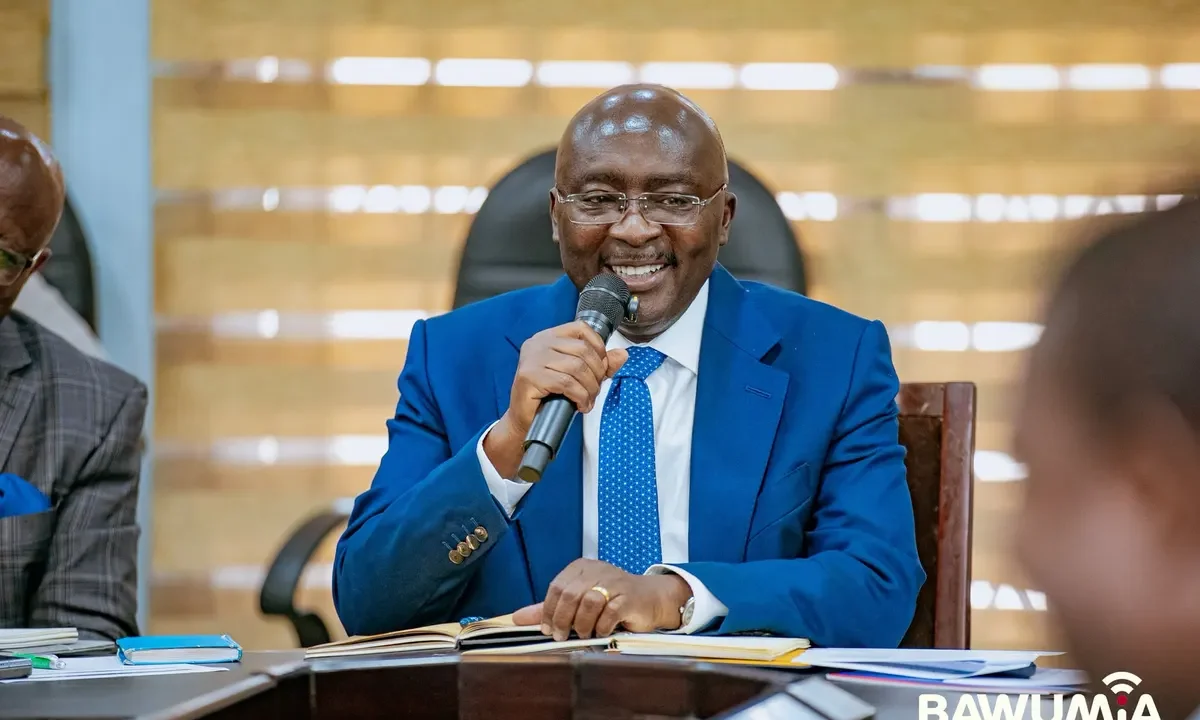
Dr Mahamudu Bawumia met with the National Executive Committee of the Ghana Medical Association (GMA) at the GMA house in Korle Bu Teaching Hospital to discuss the challenges facing medical doctors in Ghana. The meeting took place as part of his ongoing consultations with stakeholders across the country.
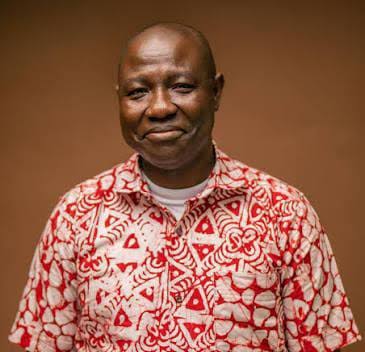
Professor Ernest Yorke, president of the GMA, and his colleagues laid out several issues during the meeting. They spoke about difficulties in retaining health workers, problems with pay, uneven distribution of doctors across regions, poor infrastructure, and emergency preparedness. They also raised concerns about conditions of service, the deprived area allowance, the role of private health providers, and the Medical and Dental Council’s requirement that doctors pass licensing exams.
After the discussions, Dr Bawumia said he was convinced that Ghana’s health care policies need a major change. He wrote on Facebook, “Some brilliant ideas were put on the table and I am very encouraged that when implemented they will be transformational for the welfare of doctors and the health sector as a whole.”
Dr Bawumia described healthcare delivery as a shared effort. He thanked the GMA president, the executive leadership, and members for their “invaluable insights, candor, and unwavering dedication to the well-being of the Ghanaian people.” He added, “Together, we will continue to build a robust, resilient, and patient-centered healthcare system that leaves no community behind.”
The meeting comes at a time when many doctors in Ghana have expressed frustration over poor pay and working conditions. The uneven distribution of doctors means rural and deprived areas often lack adequate medical staff, which contributes to health inequalities.
The GMA’s call for better infrastructure and emergency preparedness reflects ongoing challenges in hospitals across the country. These issues have been linked to overcrowding, shortages of essential equipment, and difficulties in responding to health crises.
The role of private health providers is becoming more important in Ghana’s healthcare system, but their place remains unclear in policy discussions. The licensing exam requirement by the Medical and Dental Council has also caused concern among doctors, some of whom feel it adds pressure to an already demanding profession.
Dr Bawumia’s promise to push for a “paradigm shift” in health policies signals a potential rethink of how Ghana manages its health workforce and services. However, details about the next steps or specific reforms were not given at the meeting.
Health professionals and patients alike will be watching closely to see how these talks translate into action. The welfare of doctors and the capacity of the health system affect the quality of care for millions of Ghanaians.
The GMA meeting was one of several consultations Dr Bawumia has held as the New Patriotic Party’s flagbearer, aiming to gather input from different sectors ahead of upcoming elections. How these discussions will influence government policy remains to be seen.
According to 3News.