The people who died at the GOIL filling station near Kwame Nkrumah Circle on the night of 3 June 2015 had gone there to get out of the rain.
Accra had been under a heavy downpour for hours. Water rose across Circle, one of the lowest points in the city, and hundreds of people caught in the flood took shelter under the canopy of the fuel station. Fuel from the station’s tanks leaked into the water around them. Then it ignited. The fire and the flood together killed 154 people and injured about as many again.
How it started
The official findings traced the final spark to a man named in reports as Seth Kwesi Ofosu, who was said to have dropped a lit cigarette into floodwater already carrying fuel. The explosion that followed damaged the station and nearby structures, and burned people who had nowhere to run because the water was all around them.
The single spark explained the fire. It did not explain the conditions. Circle sits in the Odaw basin, and every heavy rain pushes water from higher parts of the city towards it. The Odaw drain was choked with silt, plastic and refuse. Buildings, kiosks and containers sat on waterways. The rain that night was heavy, but Accra had seen heavy rain before. What made it deadly was water with nowhere to go, meeting fuel in a place full of people.
The national response
President John Dramani Mahama declared three days of national mourning. The government released GH₵60 million to support victims, and about 50 bodies that were never identified were given a mass burial. Each year on 3 June, families, officials and residents gather near Circle for a memorial service.
Reports marking the tenth anniversary in June 2025 carried the same complaint from survivors and relatives: the date is remembered, but the people left behind, some still living with burn injuries, feel forgotten between anniversaries.
The interchange
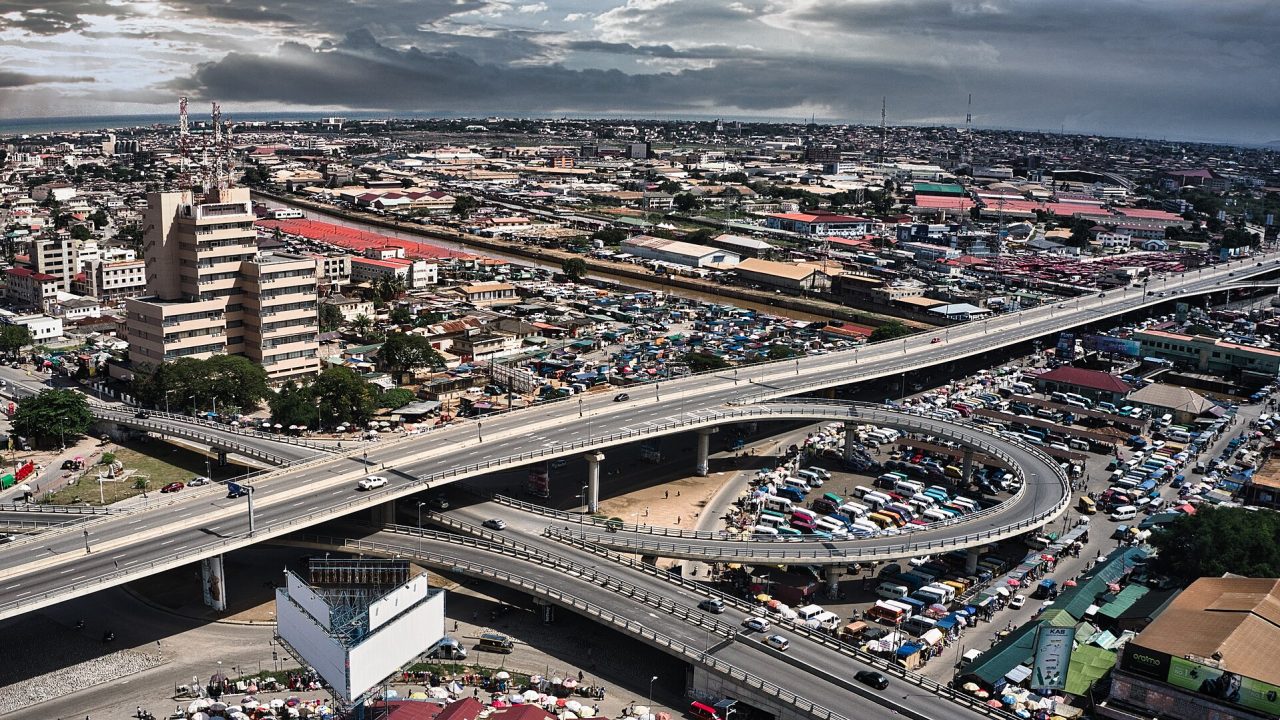
The biggest physical change at Circle came in November 2016, when President Mahama inaugurated the Kwame Nkrumah Interchange. It turned the old roundabout into a three-tier structure designed for the more than 84,000 vehicles that passed through the junction every day. The first phase was costed at 74 million euros; with the second phase included, the total is usually put at about 260 million dollars.
The interchange solved a traffic problem. It was never meant to solve the flooding problem, and people who work around Circle will tell you the water still comes. When heavy rain hits Accra today, the same low areas around Circle, Kaneshie and the Odaw channel are among the first places to flood.
What the city keeps relearning
Every rainy season since 2015 has produced the same cycle: dredging of the Odaw before the rains, demolition notices for structures on waterways, flooded roads anyway, and a promise to do better next year. Waste is the constant. Plastic sachets and bottles block drains faster than they can be cleared, and the culverts under some of the busiest roads in Accra are still too small for the water that reaches them.
The memorial service near Circle reads out the same date every year. The nearest drain, a short walk away, still fills with plastic within days of being cleared.