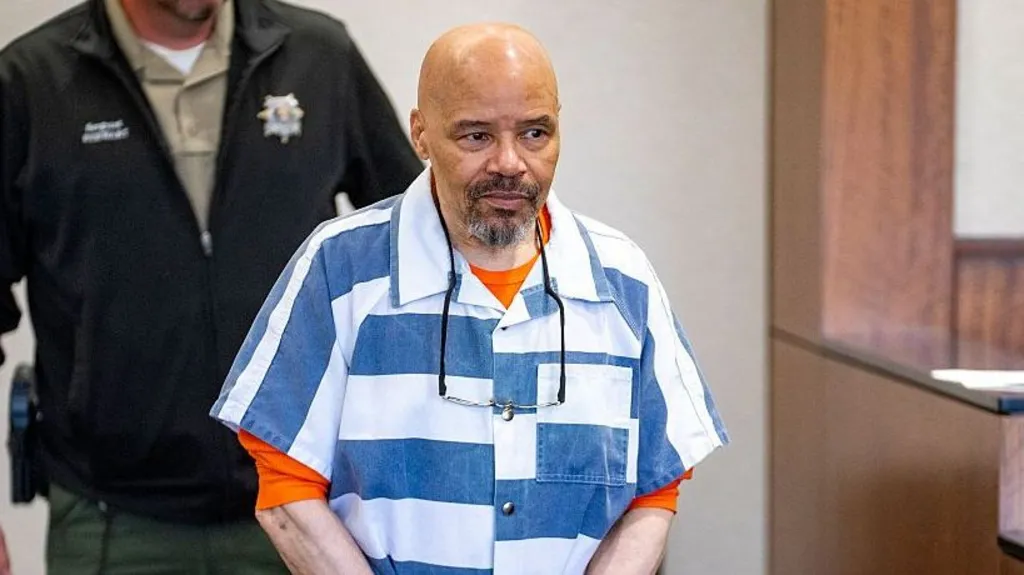
Douglas Stewart Carter walked free on bail this week after spending 41 years on death row in Utah, following new DNA evidence that excluded him from a 1985 murder. Carter, now 71, was convicted of killing Eva Olesen in Provo, Utah, but prosecutors said that DNA tests on blood found on a doorknob and genetic material on a kitchen knife did not match him.
Eva Olesen was stabbed multiple times and then shot in the back of the head at her home in February 1985. She was the aunt of a local police chief. Carter was living with his mother in Utah at the time and was suspected by police after they linked him to a robbery, although no physical evidence connected him to Olesen’s murder scene.
The conviction rested heavily on a confession Carter signed during interrogation, which he later said was coerced, and on testimony from two witnesses who claimed he had bragged about the killing. Those witnesses recanted in 2011, saying police had pressured them to lie, offered cash and gifts, and threatened them with deportation if they refused to testify against Carter.
Last year, the Utah Supreme Court ordered a new trial after citing misconduct by investigators. The court found that an investigator had suppressed evidence pointing to Eva Olesen’s husband, Orla Olesen, who died in 2009. Lawyers for Carter also said witnesses had seen a white man fleeing the scene, not Carter, who is black.
Prosecutors revealed this month that DNA evidence excluded Carter as a suspect. Despite this, Eva Olesen’s family opposed his release. Theresa Olesen, Eva’s daughter-in-law, told the court during Monday’s bond hearing that the family had “serious concerns” about letting Carter out on bail. She said, “By golly we were hoping for a concrete match. It doesn’t mean he wasn’t there.”
Judge granted Carter bail but required him to wear a GPS monitor. Carter’s defence attorney, Neal Hamilton, called for the case to be dismissed. He told the Associated Press, “If the state of Utah had their way, he would have been executed 15, 20 years ago before we discovered the misconduct.”
Carter fled Utah after the police first suspected him but was later found in Nashville, Tennessee. His confession came after intense interrogation. The knife used in the stabbing was found near the victim’s body, but the gun used to shoot her was never recovered.
The case has drawn attention to flaws in the justice system, including coerced confessions, witness tampering, and withheld evidence. Carter’s release after four decades on death row raises questions about past investigations and convictions. The new trial will revisit whether Carter is guilty, but for now, he is free pending that process, with the state’s DNA evidence excluding him from the crime scene for the first time.
According to Joy Online.